HIBAPRESS
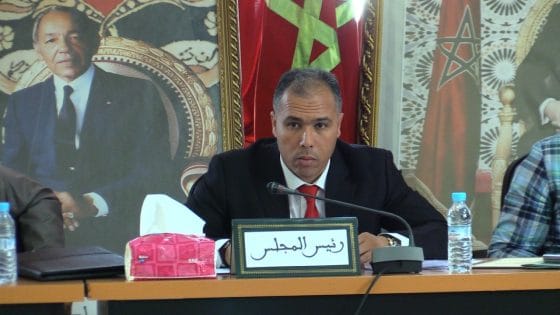
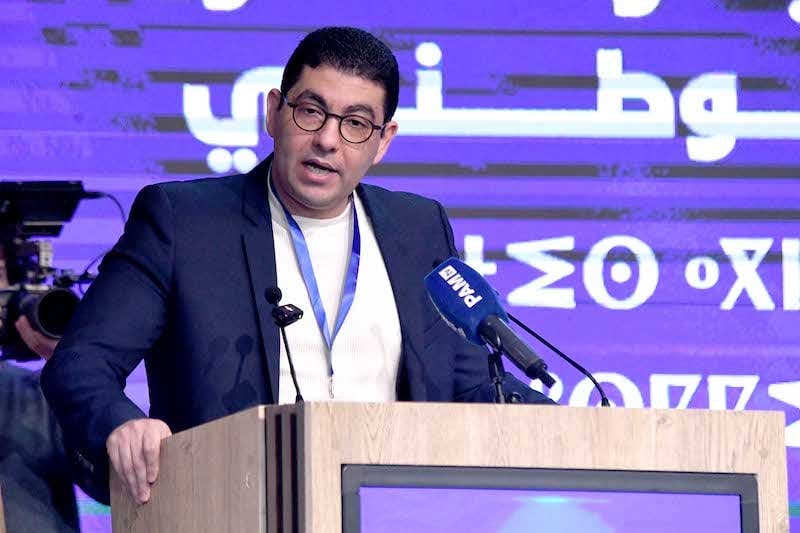
Mohamed Mehdi Bensaid, a member of the collective leadership of the Authenticity and Modernity Party, affirmed that the ongoing regional and international transformations have shown that international presence is no longer granted through flattery, but is built on trust, credibility, and continuous work, considering that the position Morocco now occupies has become firmly established on this basis.
He pointed out, during the opening of the 31st session of the party's National Council on Saturday, that the United States of America's invitation to King Mohammed VI to join the Peace Council as a founding member reflects this international appreciation. Bensaid explained that this progress reflects the clarity of vision in the Kingdom's foreign policy, the stability of its choices, and the linking of its diplomatic movements with credibility and commitment, elements he said that have become a hallmark of the Moroccan presence on the international stage. Regarding the issue of territorial integrity, he stressed that the Moroccan Sahara represents a permanent commitment and a collective responsibility, considering that Morocco demonstrates, whenever its unity, image, and position are concerned, its ability to turn challenges into opportunities. He also praised the successful organization of the last edition of the African Cup of Nations, despite what he described as attempts at disruption and negative propaganda that accompanied the event. On internal affairs, Bensaid called for translating the spirit of rallying around the nation into fair and equitable public policies, ensuring equality in access to education, health, employment, and social services, regardless of geographical or social affiliation. He considered that true patriotism is embodied in improving the quality of schools, hospitals, job opportunities, and housing, in addition to achieving spatial justice that includes the rural world. He also stressed the importance of involving youth in political life by moralizing the electoral process and combating unethical practices, stressing that reforming the electoral system represents a battle of values based on integrity, transparency, and respect for the popular will. In conclusion of his speech, he addressed a message to the youth, inviting them to engage responsibly in political work and contribute to the development of public policies, considering that change comes through conscious and active participation.