HIBAPRESS – Casablanca
Floods are among the most dangerous natural disasters that require a high degree of awareness and prior preparation to avoid loss of life and property.
Prevention begins before the disaster occurs by following official weather reports and adhering to the instructions of the competent authorities, while avoiding housing or being present in areas known for their susceptibility to flooding, and preparing essential supplies such as water, medicine, and important documents in anticipation of any emergency that may require rapid evacuation.
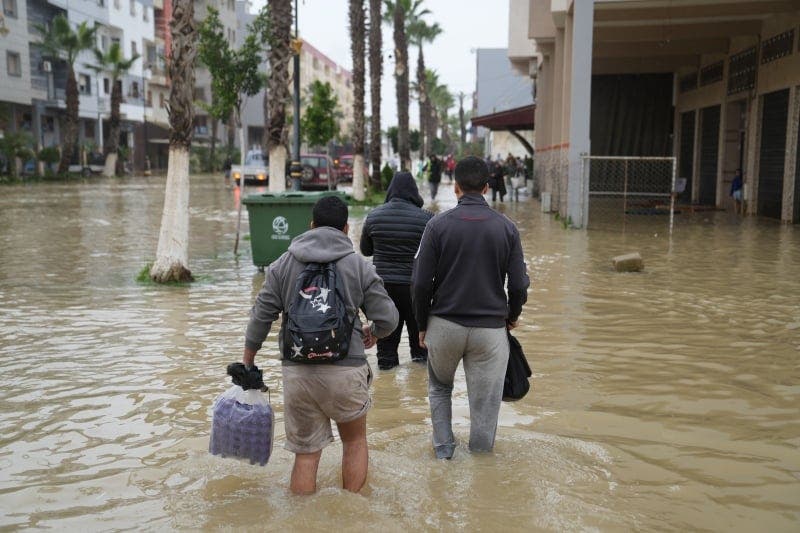
When heavy rainfall begins or official warnings are issued about the risk of floods, it becomes necessary to immediately stay away from streams and valleys and not risk crossing roads submerged in water, no matter how low their level may appear.
It is also recommended to cut off electricity and gas inside homes at risk and go up to high and safe places pending the intervention of rescue teams if necessary.
During the peak of the floods, one must remain calm, avoid panic, and refrain from going out of curiosity or filming the rushing torrents, as this poses a real danger to personal safety.
It is also necessary to respect curfews or evacuation decisions that the authorities may impose to protect lives and facilitate the work of intervention and rescue teams, and to fully and comprehensively respond to the authorities' instructions with the necessary speed without any discussion.
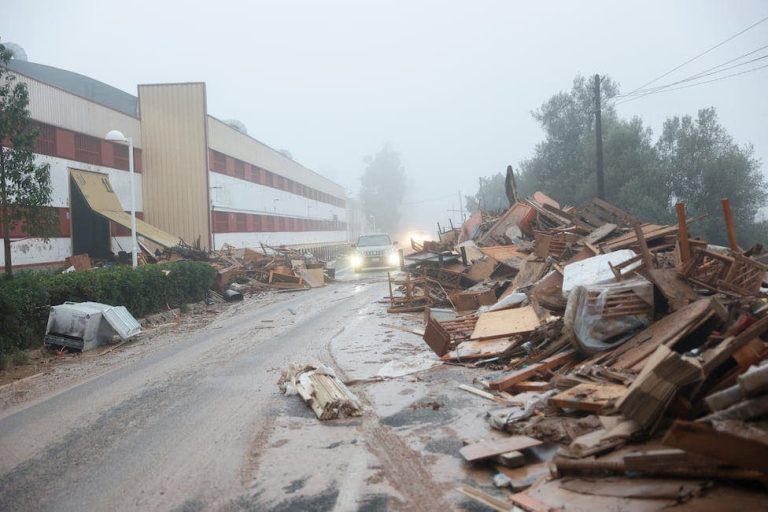
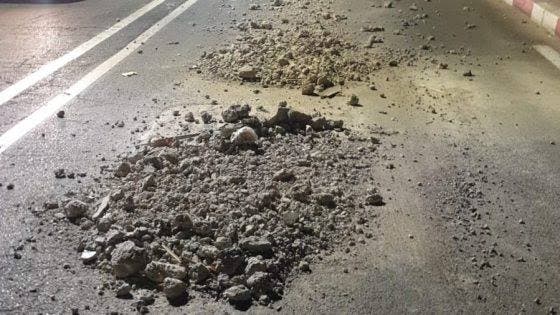
After the water recedes, caution should be exercised before returning to the damaged homes and ensuring the safety of buildings, electrical and health networks, while avoiding the use of contaminated water and reporting any potential dangers to the relevant authorities.
Adhering to these guidelines and exercising individual and collective responsibility remains the best way to reduce the effects of floods and overcome the disaster with the least possible losses.