HIBAPRESS – W.M.C
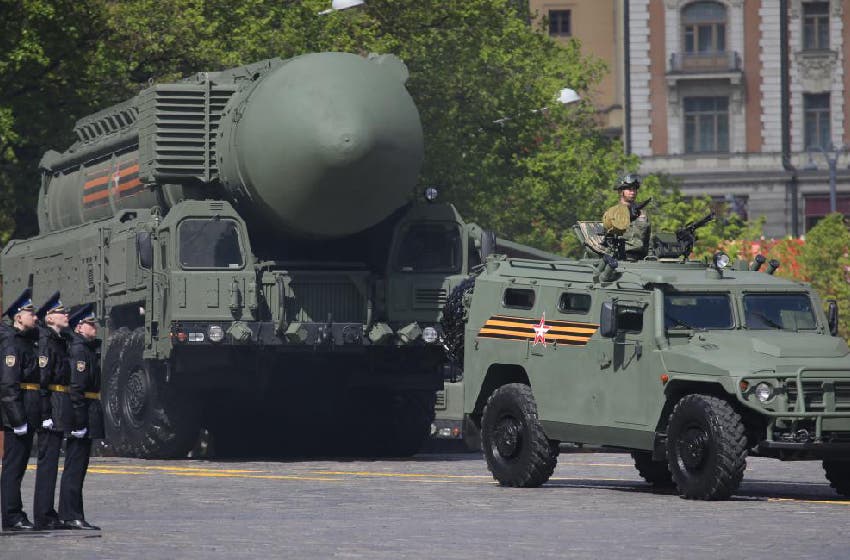
The expiration of the New START treaty on nuclear disarmament today, Thursday, which limited the strategic arsenal deployed and the number of launch platforms belonging to Russia and the United States, raises concerns about a new nuclear arms race between the two largest nuclear powers in the world.
Many American experts have warned of the negative effects that could result from a "misjudgment," stressing the need to prevent any unintended escalation from either side.
American media quoted Thomas Countryman, the former Acting Assistant Secretary of State for Arms Control and International Security Affairs, as saying, "The worst-case scenario is a spiral of violence, followed by an unexpected or expected incident that would lead to a crisis that quickly evolves into a nuclear conflict."
For his part, Paul Dean, the former Assistant Secretary of State for Arms Control, Deterrence and Stability, considered that the United States would not achieve any gain from a new nuclear arms race.
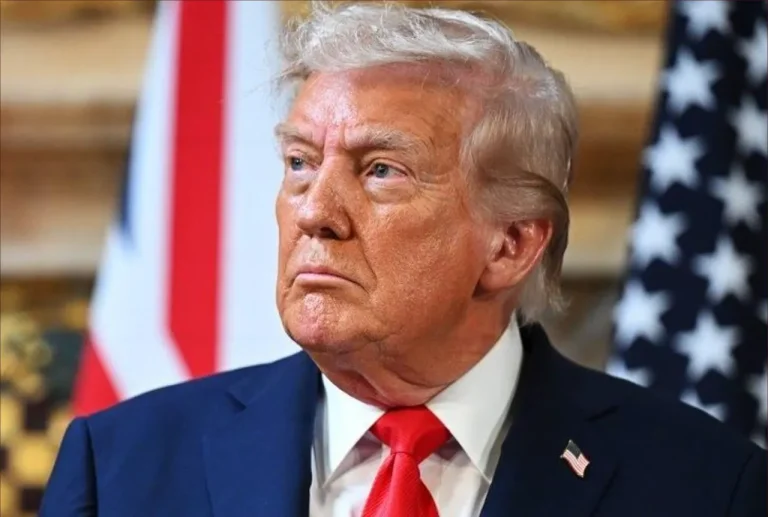
US President Donald Trump did not respond to the proposal made by his Russian counterpart, Vladimir Putin, to extend the restrictions imposed by the New START treaty for one year, which was first signed in 2010.
Washington calls for the inclusion of China, which is also a major nuclear power, in any future arms control agreement, which Beijing ruled out today, Thursday, considering that "its nuclear capabilities are at a completely different level than those of the United States and Russia."
US Secretary of State Marco Rubio stressed that President Trump clearly highlighted that real arms control during the 20th century cannot be achieved without involving China, given the significant arsenal it possesses and which is witnessing steady development.
For his part, President Putin pledged to take "careful and responsible" steps in order to avoid any new arms race similar to the Cold War phase, stressing his openness to negotiations.
During talks on the war in Ukraine held today, Thursday, in Abu Dhabi, the United States and Russia decided to resume high-level military dialogue, in what constitutes an important step within the framework of relations between Washington and Moscow.