HIBAPRESS – Abdellatif Baraka
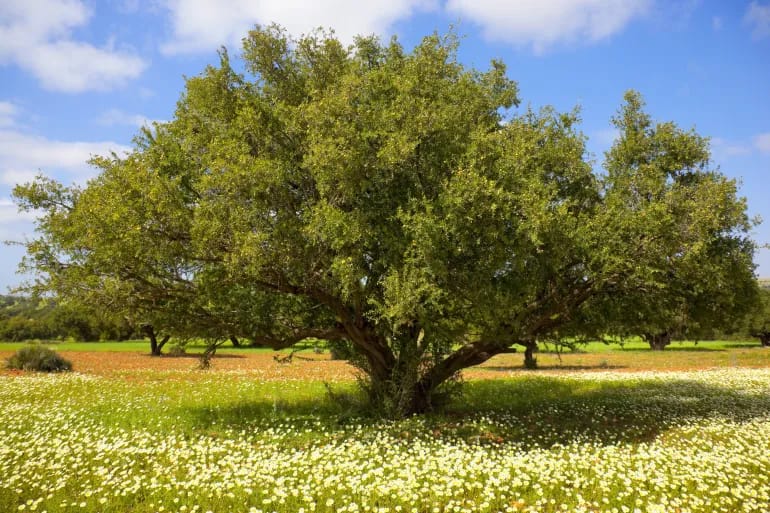
The new plan for the Network of Associations for the Protection of the Argan Biosphere Reserve of Tiznit (RARBA) for the period 2025–2030 was launched from the city of Agadir, setting out a practical vision that reorganizes the priorities of intervention in the field of protecting and environmentally and developmentally valorizing argan trees, in harmony with the classification of the Argan Reserve within the network of UNESCO biosphere reserves.
This plan came as a result of three days of workshops and discussions that brought together various regional coordination groups and partners, and resulted in a consensus approval on clear strategic pillars, trackable goals, and intervention axes that respond to the challenges of sustainability, protecting the natural environment, and improving the value chains associated with argan trees.
In parallel with the adoption of this new strategy, the participants engaged in formulating the outlines of an organizational charter that frames the network's governance and defines the rules of commitment and coordination between its components, which enhances the transition from a logic of scattered initiatives to a logic of structured planning. The work also moved to the level of territorial implementation, where each regional coordination group prepared its own plan based on its local specificities, while ensuring vertical alignment with the general directions of the network and horizontal integration between the regions, which paved the way for the adoption of measurable and evaluable executive approaches.
The meetings concluded with a collective evaluation of the adopted path, in which the actors confirmed their commitment to activating the outputs according to a clear time schedule, and strengthening the mechanisms of coordination and follow-up to ensure the field impact of the plan. This path reflects the network's entry into a new organizational phase, which relies on strong participatory governance, and the unification of vision around the priorities of intervention in the fields of environment, sustainable development, and the valorization of the argan chain, which consolidates the role of civil society as an active partner in managing the environmental field and territorial development during the next five years.