HIBAPRESS – Abdellatif Baraka
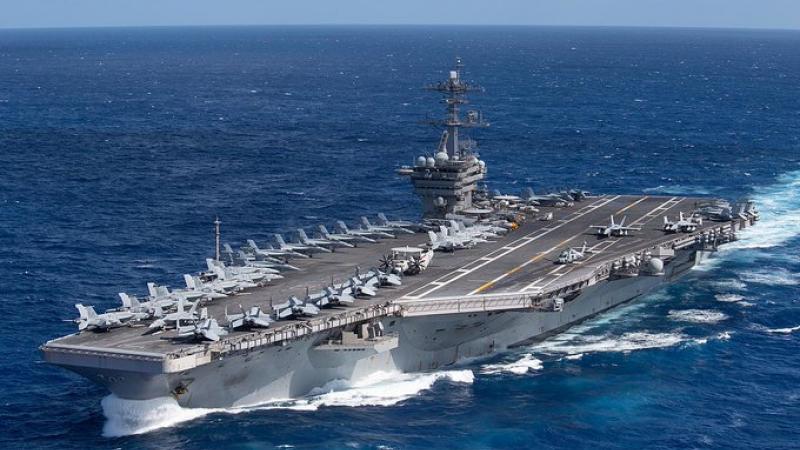
Data monitored via recent satellite imagery showed the American aircraft carrier USS Gerald R. Ford crossing the Strait of Gibraltar, in a noteworthy move that transported the giant naval vessel from the Atlantic Ocean to a closer operational theater within the Mediterranean Sea.
This crossing is viewed as an indicator of an operational repositioning with geo-strategic dimensions, considering the sensitivity of this maritime corridor that links the Atlantic and the Mediterranean and is one of the most important navigational chokepoints in the world. According to the circulating data, the carrier positioned itself within the Mediterranean at a distance of approximately 175 nautical miles from the Moroccan coast, allowing it to reduce the time to reach the eastern Mediterranean and expand the scope of air and sea coverage, with a larger margin for redeployment towards different operational theaters. The carrier is accompanied by a naval combat formation that includes destroyers and support and protection ships, allowing for the implementation of joint naval and air operations within a wide range of movement. The "Gerald Ford" is one of the newest aircraft carriers in the US fleet, with an operational capacity of approximately 75 aircraft between attack fighters, early warning and support aircraft, and it also relies on the EMALS electromagnetic launch system, which increases the pace of air sorties compared to traditional systems and enhances the intensity of operations in shorter periods of time. Technical data indicates that this class excels in the rate of sortie generation compared to the older Nimitz carriers, reflecting a trend towards enhancing readiness and striking power in record time.