HIBAPRESS – Abdellatif Baraka
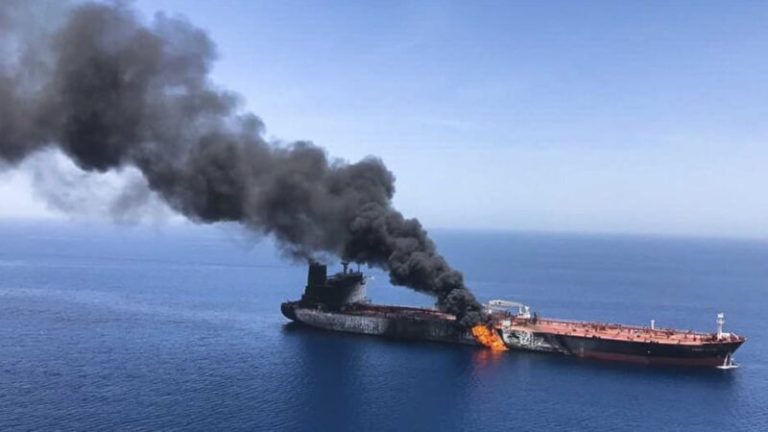
The Gulf region is experiencing a dangerous escalation following attacks attributed to the Iranian Revolutionary Guard targeting a number of Gulf Cooperation Council countries, a development described by Gulf capitals as a blatant violation of the sovereignty of states and a blow to the principles of good neighborliness.
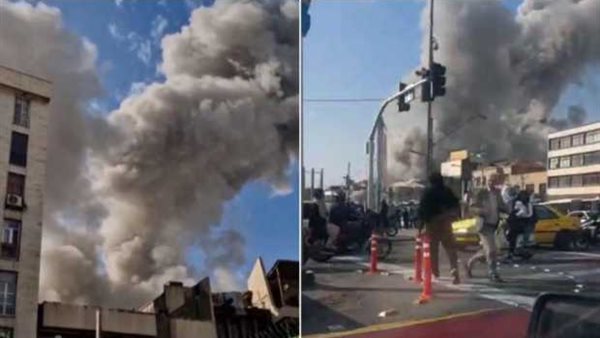
Official sources confirm that these attacks, which lasted for four consecutive days, resulted in casualties and material damage, in a scene that reflects the unprecedented level of tension in the region.
In this context, the United Arab Emirates announced that it alone was subjected to about a thousand attacks by drones and missiles, which it considered a dangerous escalation that goes beyond all diplomatic and legal norms. The spokesman for the Emirati army affirmed that the armed forces are at the highest degree of readiness to defend the country's territories and protect its people, no matter how the escalation continues, stressing that the security of the state is a red line that cannot be compromised.
Available data indicates that the majority of Gulf countries have, during the past years, maintained a balanced policy based on good neighborliness and avoiding any direct confrontation with Iran, but the recent attacks have been described as a clear departure from the rules of international law and the United Nations Charter, and the consecration of the logic of force instead of dialogue.
Gulf voices believe that what happened is not based on any legitimate justification, but rather reflects a hostile orientation that threatens the security of the Gulf peoples and the stability of the entire region.
In the face of this escalation, a clear solidarity stance emerged from the Kingdom of Morocco, where King Mohammed VI conducted contacts with his brothers, the kings, princes and presidents of the Gulf countries, expressing the Kingdom's readiness to provide all forms of support in this sensitive circumstance, as required by the stage of Arab coordination and solidarity to protect security and stability.
Observers believe that the continuation of such attacks would deepen the state of regional tension and open the door to further tension, at a time when the region needs de-escalation and dialogue instead of missiles and drones.
They also stress that respect for the sovereignty of states and non-interference in their internal affairs remains a fundamental rule in international relations, and any departure from it undermines the opportunities to build a regional space based on cooperation and common security.
Between the language of escalation and messages of solidarity, eyes remain directed towards the international community to assume its responsibilities in stopping these attacks, ensuring the protection of civilians, and restoring respect for the rules of international law, which are supposed to constitute the regulating ceiling for relations between countries.