HIBAPRESS
The Regional Human Development Committee of Figuig, during its first meeting for the year 2026, held today, Thursday, in Bouarfa, approved the regional action plan, which includes 95 development projects with a total financial cost of approximately 36.6 million dirhams, fully funded by the initiative.
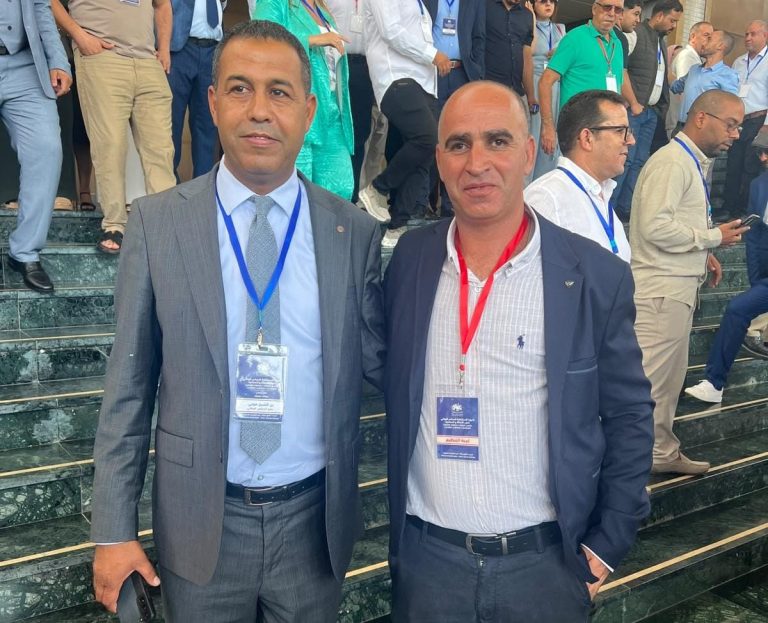
These projects, which were approved during the meeting chaired by the Governor of Figuig Province, Mr. Nour Eddine Ouabou, in the presence of members of the Regional Committee, community activists, and project holders, are distributed across the four programs of the third phase of the National Human Development Initiative. Thus, the first program related to addressing the shortfall in infrastructure and basic services allocated a financial envelope of 19.5 million dirhams to finance 50 projects, concerning the drinking water sector (45 projects worth 12 million dirhams), and rural roads and tracks (5 projects worth 6.6 million dirhams). The second program, specifically for supporting people in vulnerable situations, involved the programming of 14 projects with a total cost of approximately 4.1 million dirhams, primarily aimed at equipping reception centers for women and girls in difficult situations, and supporting centers for people with special needs. Regarding the third program related to improving income and economic integration for youth, a project was programmed to support the accompaniment of projects funded by the axis of supporting entrepreneurial spirit and entrepreneurship, with a financial cost estimated at 4 million dirhams. As for the fourth program related to promoting human development for the rising generations, 29 projects were approved (more than 8 million dirhams), distributed between supporting maternal and child health (10 projects), generalizing pre-school education (4 projects), and supporting schooling and combating school dropout (15 projects). In a statement to the Moroccan News Agency, the head of the Social Action Department in the Figuig Province, Idriss Moussa, confirmed that these projects primarily aim to strengthen the collective health system, support the management of maternity homes, and organize awareness campaigns for mothers and children. Mr. Moussa added that the action plan gives great importance to improving the education and training system, by building new pre-school education units, supporting the management of student residences, and purchasing buses.