HIBAPRESS – Abdellatif Baraka
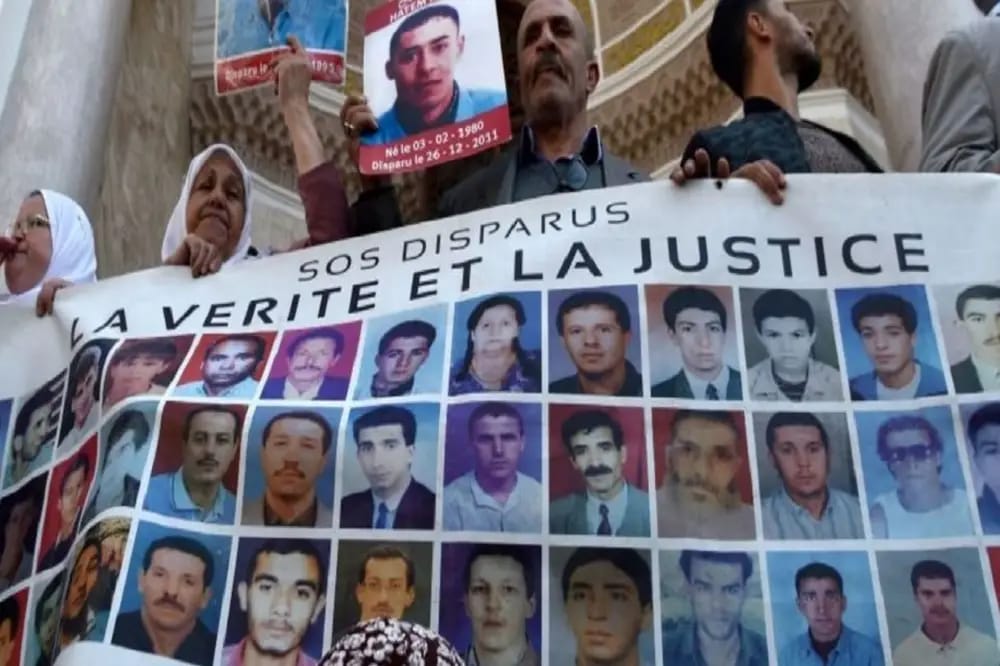
In a move that raises much human rights and humanitarian controversy, the Algerian authorities closed and sealed the headquarters of an association concerned with the families of the forcibly disappeared, in a decision that brings to the forefront a heavy file from the past of violations, and raises deep questions about the state's readiness to face its historical responsibilities.
The issue is not just about closing a headquarters, but goes beyond that to an attempt to stifle the voice of families who are still searching for the truth for years, and demanding the disclosure of the fate of their relatives who disappeared in mysterious circumstances. This measure is understood, in the view of observers, as a continuation of an approach aimed at closing this file without questioning or recognition, despite its painful humanitarian dimensions. The decision also increased the severity of criticism after the president of the association was prevented from entering the country, despite the fact that she is an Algerian citizen, which was considered a direct restriction on the right to expression and organization, and an attempt to silence voices demanding justice and redress. At its core, this development raises a bigger problem related to the absence of a comprehensive transitional justice approach, which is based on revealing the truth, linking responsibility to accountability, and ensuring that violations do not recur. The file of enforced disappearance does not fall under the statute of limitations, but rather remains an open wound in the collective memory, unless it is addressed with transparency and courage. This situation raises a striking paradox in the official Algerian discourse, which demands an apology in international contexts for the colonial past, while facing criticism for its handling of internal files related to serious violations of the rights of its citizens. This duality puts the credibility of the human rights discourse to the test, both before the internal public and the international community. In the end, the question remains hanging: Is Algeria moving towards closing this file through denial and restriction, or towards a real reconciliation that recognizes the victims and does them justice? Between the two options, the features of justice and human dignity are determined.