HIBAPRESS – MAP
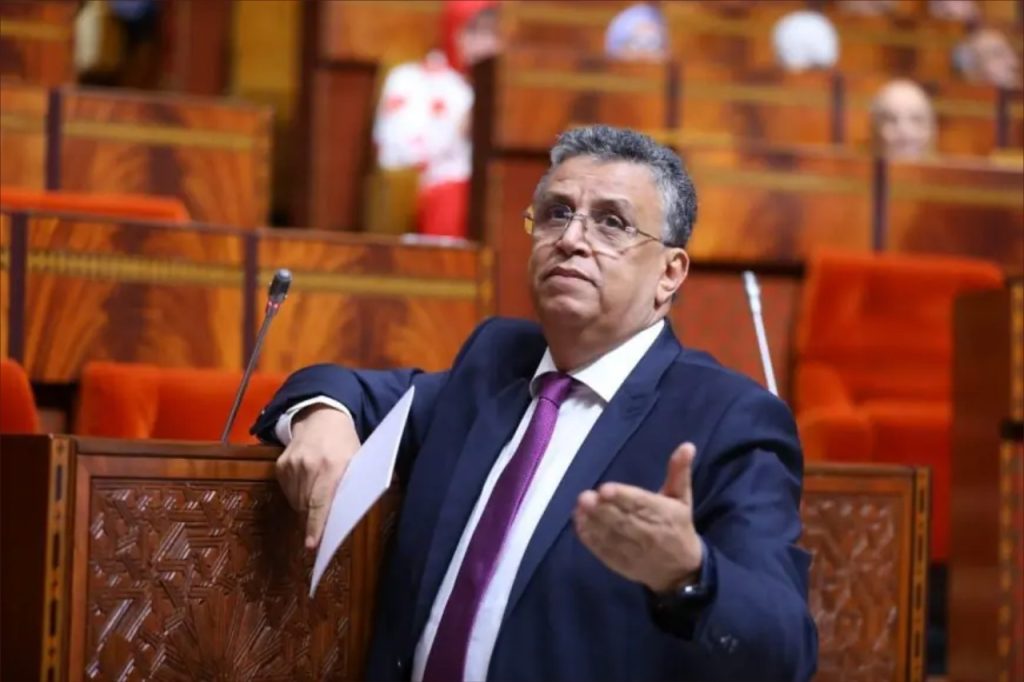
The Minister of Justice, Abdellatif Wahbi, called on Tuesday in Rabat for the establishment of a structured and institutionalized dialogue between the banking sector and the judicial system, with the aim of improving the recovery of non-performing loans.
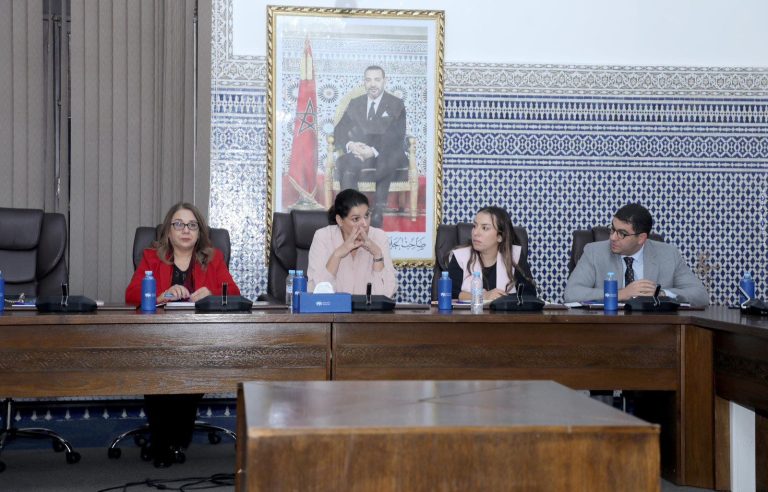
Wahbi highlighted, in a speech on the occasion of the opening of a national conference on "The Legal Framework for the Recovery of Non-Performing Loans… Practical Challenges and Development Prospects", the existence of a gap between banking time, which is governed by speed and profitability requirements, and judicial time, which is often characterized by lengthy procedures, considering that this disparity is one of the most prominent obstacles to the effective management of non-performing loans. In this context, he called for the adoption of cross-training; on the one hand, judges who are better trained in financial and banking mechanisms, and on the other hand, banking officials who are more familiar with judicial procedures. Wahbi also pointed out that consideration is being given to establishing a platform for judicial rulings that would be available to all actors, including professionals in the banking sector, with the aim of facilitating the understanding of the interpretation of legal texts regulating banking activity. He noted the possibility of involving financial experts alongside judges in cases with an economic dimension, and of seeking the assistance of graduates from higher schools of commerce or accounting to strengthen financial analysis capabilities within the judicial system. For his part, the Attorney General at the Court of Cassation, the Head of the Public Prosecution, Hicham Blaoui, explained that non-performing loans represent about 8.3 percent of total bank loans at the end of January 2026, compared to 8 percent in the last quarter of 2025, pointing out that their volume is nearly 100 billion dirhams, an increase of 4.6 percent. He stressed the need to review some legal provisions that frame the execution of judgments, improve the framing of judicial expertise, and develop the direct transfer of non-performing bank loans. In this context, he praised the draft law No. 26.02, considering it a lever that would reduce the burden on banks and redirect their resources towards financing the economy. For his part, the Vice-President of the Professional Group of Banks of Morocco, Mohamed El Kettani, pointed to a number of practical imbalances, including the slow procedures for the judicial sale of mortgaged properties, the issues related to the treatment of company difficulties, and judicial expertise in banking disputes, which are characterized by varying methods of calculation and the absence of an institutional framework for monitoring. In this regard, he proposed the establishment of an electronic portal dedicated to judicial sales, and the organization of joint training courses bringing together bankers, judges and experts, in addition to establishing a better balance between protecting struggling companies and safeguarding the rights of creditors. This conference was attended by representatives from the Ministry of Justice, the Public Prosecution, banking institutions and professionals in the field of law, with the aim of developing practical recommendations to enhance the effectiveness of the legal framework for the recovery of non-performing loans.