HIBAPRESS – Following
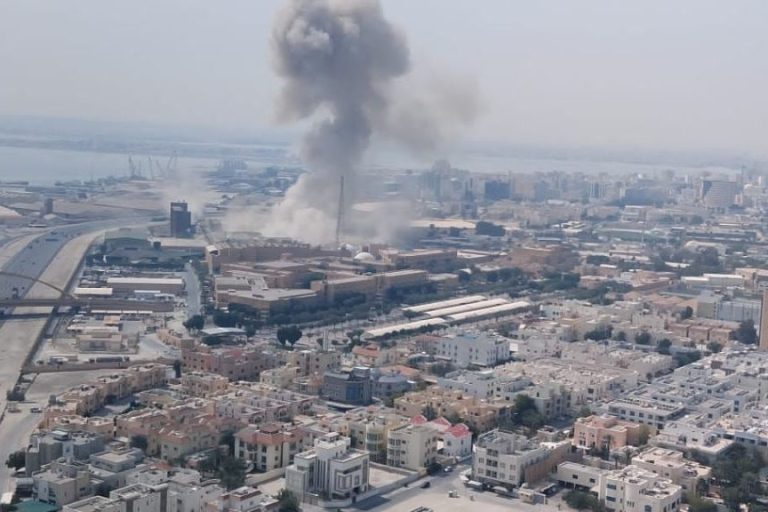
The International Monetary Fund warned on Monday, March 30, that the war in the Middle East has caused serious disruption to the economies of the confrontation countries, casting a shadow over the prospects of many economies that have just begun to recover from previous crises.
In a blog published by senior economists at the Fund, the global financial institution said that the war in the Middle East has caused a global shock, but it is uneven, and has led to tighter financial conditions. According to the Fund, the closure of the Strait of Hormuz and damage to regional infrastructure has caused the largest disruption in the global oil market in history, highlighting that much will depend on the duration of the war, as well as the extent of its spread, and the extent of the damage it will inflict on infrastructure and supply chains. The International Monetary Fund indicated that low-income countries are particularly vulnerable to the risk of food insecurity, given the rise in food and fertilizer prices, and may need more external support at a time when many advanced economies are reducing their international aid. The Fund’s economists wrote, “Although the war may affect the global economy in different ways, all roads lead to rising prices and slower growth.” The International Monetary Fund announced that it will issue a more comprehensive assessment in its “World Economic Outlook” report scheduled to be published on April 14 on the occasion of the spring meetings of the International Monetary Fund and the World Bank in Washington. Researchers pointed out that the continued rise in energy and food prices will exacerbate inflation globally, noting that the continued increases in oil prices historically tend to raise inflation and reduce growth. They added that the war may also fuel expectations of continued high inflation for a longer period, which may translate into higher wages and prices, and make it difficult to contain the shock without a sharp slowdown in growth.