HIBAPRESS – Abdellatif Baraka
In a remarkable development reflecting the complexities of the regional scene, there have been indications of a decline in the French role in the negotiations related to Beirut, amid reports of Paris being excluded from this sensitive track, where complex political and security calculations intersect.
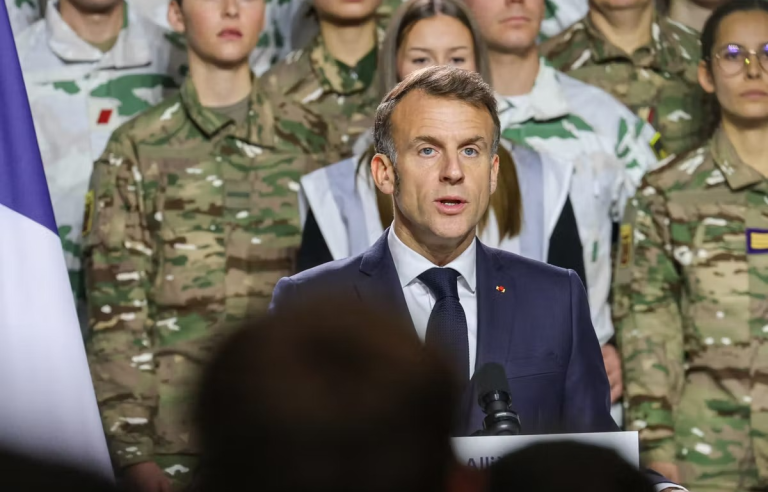
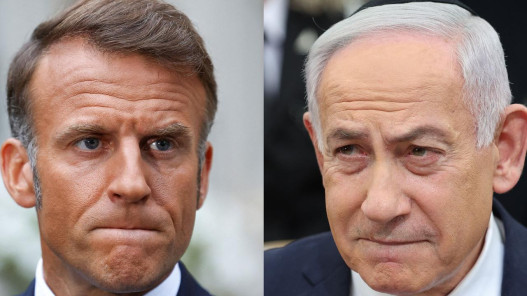
This step comes in the context of rapid transformations in the region, where Israel seeks to rearrange its negotiating priorities in line with its security and strategic vision, especially with regard to the situation in Beirut and related sensitive files, most notably the tensions on the southern border of Lebanon and the role of regional actors. In contrast, the decline in France's presence was a relative surprise, given its long history in Lebanon, where it has long played the role of mediator and supporter in various political and economic stages. However, this role seems to be under review today, whether due to a change in the balance of power or as a result of differing approaches between the parties concerned. Analyses indicate that the exclusion of France may be related to Israel's desire to reduce the number of mediators, or to limit the negotiation within channels that it considers more consistent with its interests, especially in light of the involvement of other international powers that have a direct impact in the region. On the other hand, this development raises questions about the future of the European role in Middle Eastern crises, at a time when competition between international actors for influence is increasing, and negotiation files are becoming more complex, whether those related to borders or political and security stability in Lebanon. Observers believe that the exclusion of France, as Netanyahu said that "Paris is not trusted", may be reflected in the nature of the solutions proposed, and on the balance of power within the negotiating table, especially since Paris was known for pushing towards diplomatic approaches based on de-escalation and rebuilding institutions. In light of these data, the Beirut negotiation track remains open to several scenarios, ranging from reshaping negotiating alliances or escalating tensions, in a region that is still living in the wake of intertwined crises, which makes any change in the balance of mediation an influential factor in the future of regional stability.