HIBAPRESS – Tetouan
In the context of the rapid transformations that the city of Tetouan is experiencing as it prepares to host the "Tetouan, Mediterranean Capital of Culture and Dialogue" project, the local cultural scene seems to be entering a new phase of rearranging the balances of cultural action, where the discussion is no longer limited to organizing events and programs, but has extended to the depth of the question: Who makes the cultural decision? And who determines its priorities?
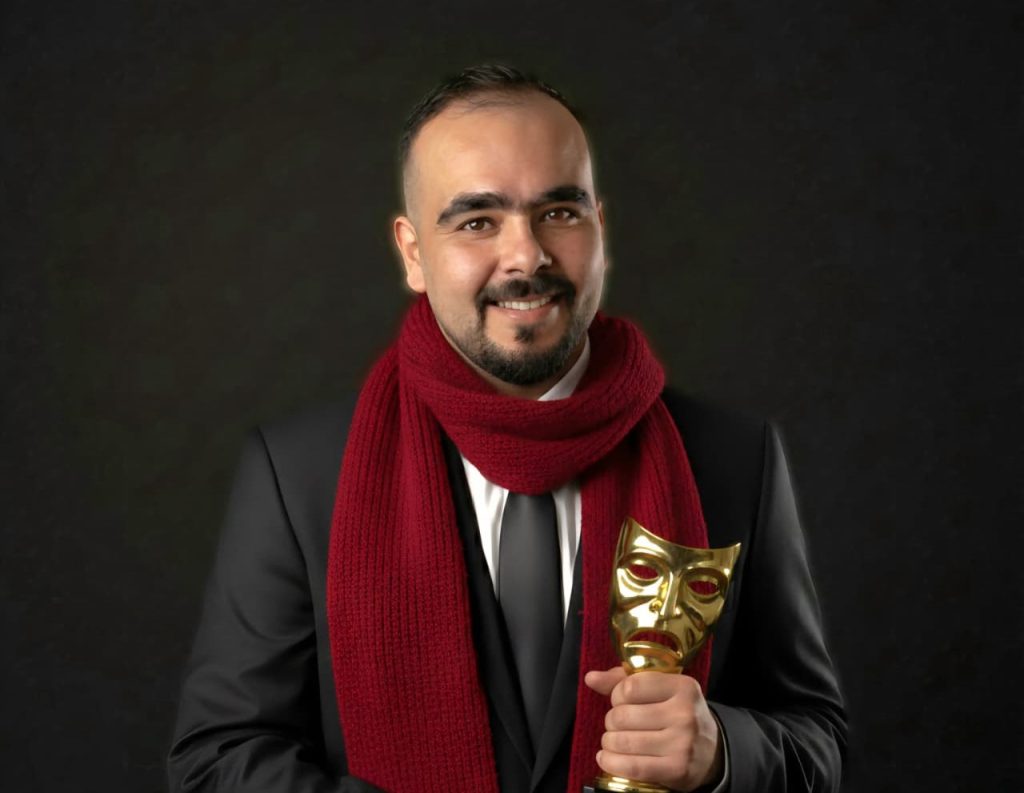
Within this context, the intervention of the artist and unionist Mohamed Al-Akel, the head of the Moroccan Union of Dramatic Arts Professionals branch and a member of its national office, emerged as a pivotal element that re-raised the artist's position within the city's cultural policies, not as a recipient or executor, but as a proactive actor who contributes to shaping the general vision.
The spark of this interaction started from a reference that was considered, in its appearance, procedural, when the statement issued by the union on the occasion of World Theatre Day was invoked. However, this reference quickly turned, within the context of the meeting, into a symbolic entry point that reflects the beginning of a gradual recognition of the union's role within the cultural public space, not as a mere professional framework, but as a voice capable of influencing public debate.
Through this atmosphere, Mohamed Al-Akel's intervention went beyond the limits of ordinary interaction within a consultative meeting, towards a deeper questioning of the structure of local cultural thinking, where he indirectly raised the question of repositioning the artistic actor within the "Mediterranean Capital" project, and whether it is a matter of formal participation or an actual partnership in producing the decision.
The intervention, in its essence, was not merely a presentation of professional demands, but seemed closer to an integrated concept that redefines culture as a public policy that needs planning, continuity, and governance, instead of being satisfied with occasional events and programs. This makes the union, according to this concept, not just a union mediator, but a proactive actor who contributes to crystallizing alternatives.
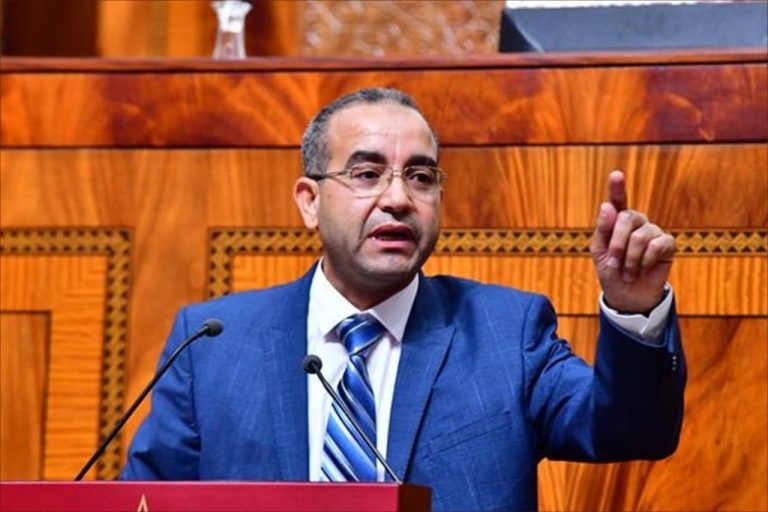
The impact of the speech was not limited to its content, but extended to the way it was presented inside the hall, where the physical presence, the tone of the speech, and the interaction of the speaker with his surroundings contributed to giving the intervention an additional communicative dimension, making it closer to a moment of expanded dialogue about the meaning of culture and the artist's role in producing it.
In the background of this discussion, a set of fundamental challenges emerged that were implicitly emphasized, including the need to move from symbolic inclusion to actual participation, from circumstantial management to a sustainable vision, from the logic of cultural presentation to the logic of real cultural production, in addition to enhancing transparency and linking responsibility to accountability, while considering the professional dignity of the artist as an essential element in any serious cultural project.
In contrast, the intervention of the institution's representative formed an initial moment of openness to this vision, by referring to the importance of the union and its role within the cultural scene, which reflects the beginning of awareness that managing cultural affairs is no longer possible with a unilateral logic, but requires a plurality of actors and the integration of roles.
Between this and that, it seems that Tetouan is not only preparing to host a major cultural event, but is deeply experiencing a moment of reshaping the relationship between the artist and the institution, and between cultural discourse and public decision, towards a new model based on partnership instead of guardianship, and contracting instead of indoctrination.
Within this framework, Mohamed Al-Akel's intervention remains a significant sign of this transformation, as it is a moment that re-raised the question of culture in the city again, not as an event, but as an ongoing path to making meaning and redistributing roles within the cultural field.