HIBAPRESS
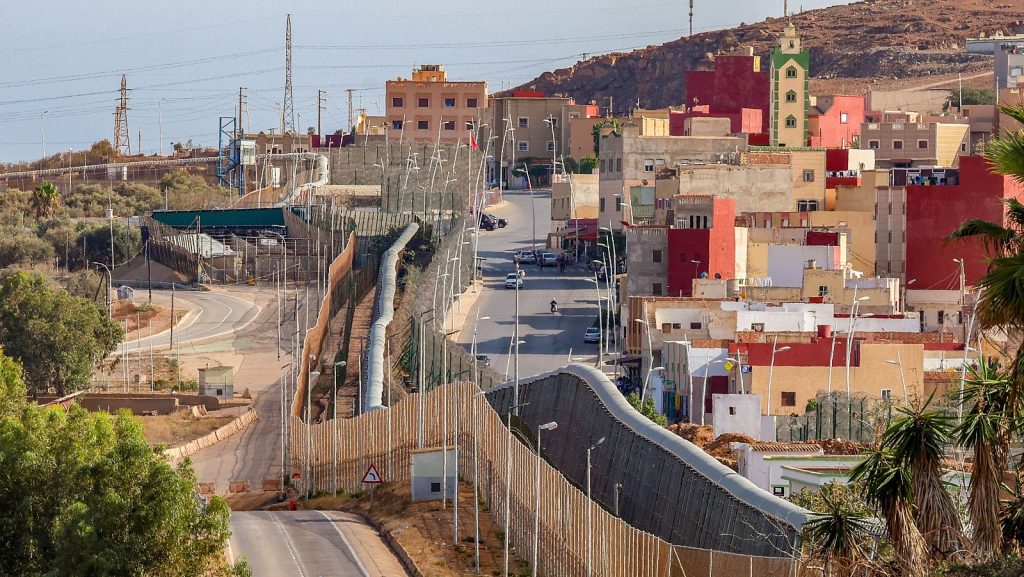
Moroccan families in occupied Ceuta are close to reclaiming their original surnames with Arab and Islamic roots, after the Spanish Congress of Deputies approved a non-binding bill (PNL) aimed at allowing the review of surnames that were changed during the 1980s in the context of administrative procedures related to naturalization operations.
The proposal, submitted by the "Podemos" party in partnership with the "Ceuta Ya!" party, provides for opening the way for those affected by those procedures to restore their original family names, in a step that its supporters consider to be addressing the repercussions of an administrative path that affected the personal identity of thousands of families in occupied Ceuta and Melilla. During the discussions of the Spanish Parliament, the deputy of "Podemos", Martina Velarde, considered that what happened during that period was not just an administrative error, but a direct infringement on the identity of a large number of families, confirming that the current proposal represents a step towards "historical redress" and restoring the dignity of those affected, with a call for a formal apology from the Spanish state. According to the data that were discussed within the legislative institution, the number of those affected by these changes is estimated at about 100,000 people in Ceuta and Melilla, which prompted the supporting parties of the initiative to demand the adoption of a collective and flexible procedure to facilitate the recovery of surnames, in addition to making the process free to avoid any material obstacles. Despite the passage of the proposal, it did not receive the support of the Popular Party (PP) and the far-right "Vox" party, where the Popular Party expressed its initial support for the idea, in exchange for its reservations about the political formulation of the text, preferring a more consensual approach, according to its expression. In contrast, Mohamed Mustafa, Secretary-General of the "Ceuta Ya!" party, emphasized the symbolic dimension of the decision, considering that the restoration of surnames represents a matter of dignity and identity, and confirming the need to recognize the damage that befell those affected during that stage. Local circles in Ceuta and Melilla are awaiting how this proposal will be implemented on the ground, amid demands to ensure its actual and rapid implementation, putting an end to a file that has been open for more than four decades.