HIBAPRESS – Mohammed Zariouh
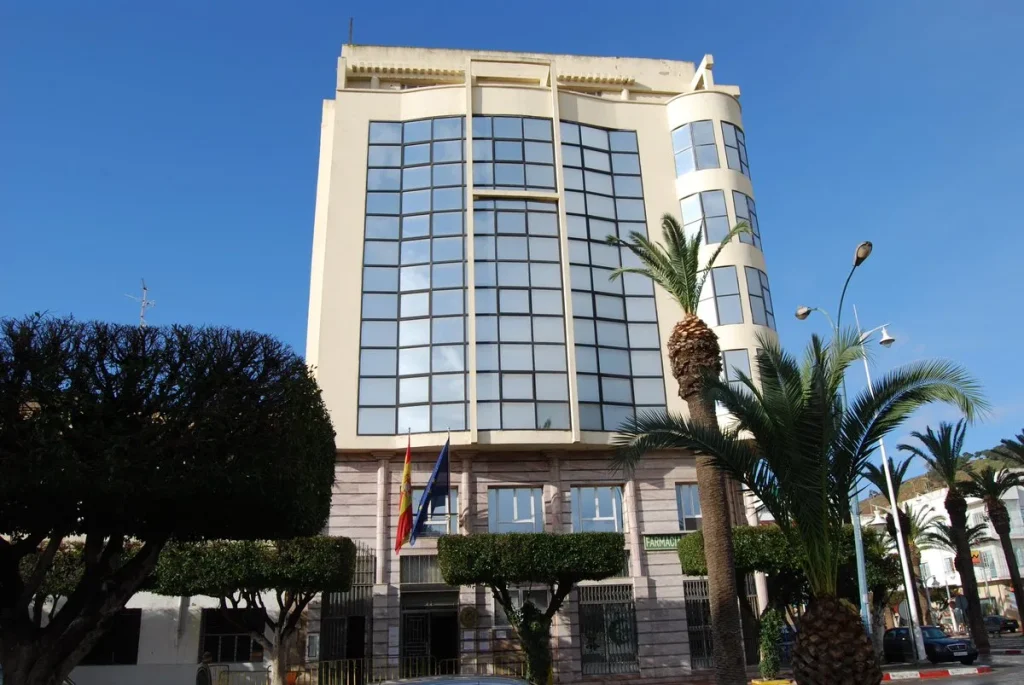
There is widespread discontent among users and those wishing to obtain a "Schengen" visa from the Spanish Consulate General in Nador, due to the unprecedented delay in processing files and responding to requests. A number of citizens have complained that the waiting period has reached more than two months in many cases, without receiving any final response, which has plunged hundreds of families into a cycle of constant anticipation and anxiety, and turned a normal administrative procedure into a real obstacle to freedom of movement.
The affected parties confirm that this procrastination is no longer just a technical delay, but has become a direct obstacle that hinders vital interests of citizens; where many families found themselves unable to attend urgent medical appointments in European hospitals, which threatens the health safety of some patients. Also, employees and businessmen were not spared from this situation, as the delay in visas caused the loss of job opportunities, administrative obligations, and participation in international conferences that were pre-programmed.
In light of this crisis, a group of citizens raised urgent appeals to the responsible authorities to intervene immediately and coordinate with the Spanish side to find radical solutions to this problem. The protesters stressed the need to accelerate the pace of studying the files, especially those related to urgent humanitarian and professional cases, considering that the continuation of the situation as it is, harms the quality of consular services and undermines the basic rights of users affiliated with the territorial influence of the consulate.
In a related context, civil society activists and those affected demanded that the Consul General in Nador conduct a comprehensive restructuring of the various services of the consulate, and adopt a new approach in managing and studying visa applications. They believe that the current method of processing files is characterized by slowness and ambiguity, which requires updating administrative mechanisms and providing sufficient human resources to keep pace with the increasing pressure on travel requests, and ensure transparency in the announced deadlines.
The state of congestion witnessed by the consulate and the offices contracted with it in Nador, places Spanish consular diplomacy before a real challenge to regain the trust of citizens. How long will the citizen in Nador remain hostage to a wait that extends for months, mortgaging his health, professional and family interests behind the doors of a consulate that "bureaucracy" closes in the face of visa applicants?