HIBAPRESS – Moulay Yacoub
The competent oversight authority in Fez arrived at the municipality of Ain Chqaf, in the province of Moulay Yacoub, on Tuesday morning, as part of an audit process concerning administrative management and a number of aspects related to the management of municipal affairs, in the context of monitoring management methods and the extent of compliance with current laws and procedures.
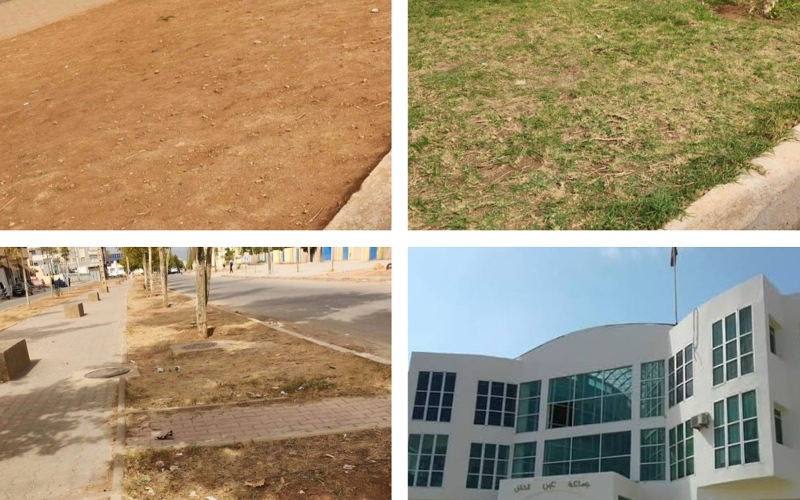
According to the available data, the current audit process focuses primarily on the administrative aspect, while subsequent monitoring phases are expected to include other municipal files and projects, including the central market, the municipal impound lot, green space management, and the status of temporary employees.
The central market file is among the issues of local concern, given the continued closure of this facility and the accompanying questions regarding its administrative and technical status, and the extent to which it meets the necessary documents and licenses, including the conformity certificate, according to data attributed to a member of the municipal council.
The municipal impound lot file also raises questions about its legal and administrative status, particularly concerning the licenses related to its construction and the tender under which it was completed, aspects that could be subject to verifying compliance with applicable regulatory rules.
Regarding the green space management tender, the issue of the extent of execution of works and services stipulated in the specifications, and the extent to which the status of these spaces corresponds to the objectives set in the tender, emerges alongside questions related to human resource management, especially the status of temporary employees and the nature of the tasks they perform.
These files are of importance given their connection to the management of municipal facilities and projects, and they also highlight the need to ascertain the extent of compliance with relevant legal and regulatory provisions, including Law No. 12.90 concerning urban planning and texts regulating public procurement, each within its scope of application.
Subjecting these files to monitoring, if included in the audit program, would allow for verification of the circulating data concerning them, evaluation of the extent of compliance with the procedures adopted in carrying out projects and managing municipal facilities, and identification of responsibilities where appropriate, according to what the official results may reveal.
The results of the expected audit processes remain the decisive factor in clarifying various aspects related to these files, pending any conclusions or official data that may be issued by the competent authorities, which would enhance transparency and contribute to consolidating the principles of good governance and linking responsibility with accountability in managing local affairs.