HIBAPRESS – Ahmed Al-Masaad
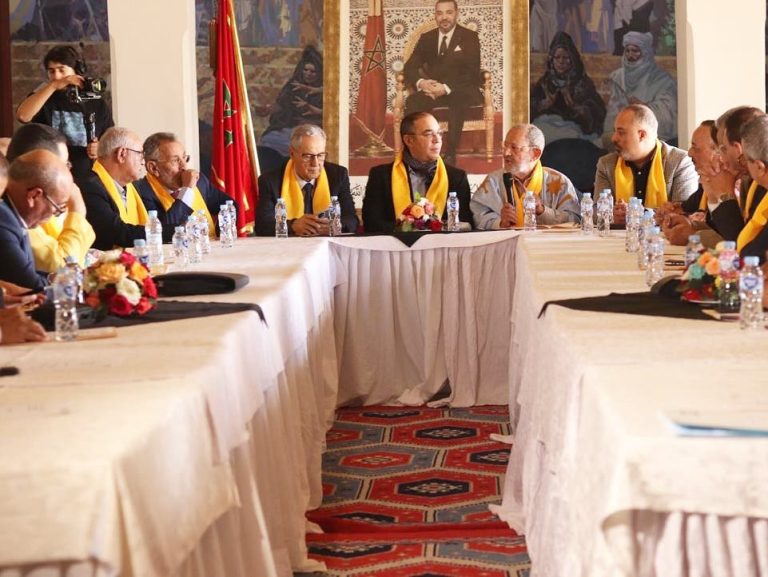
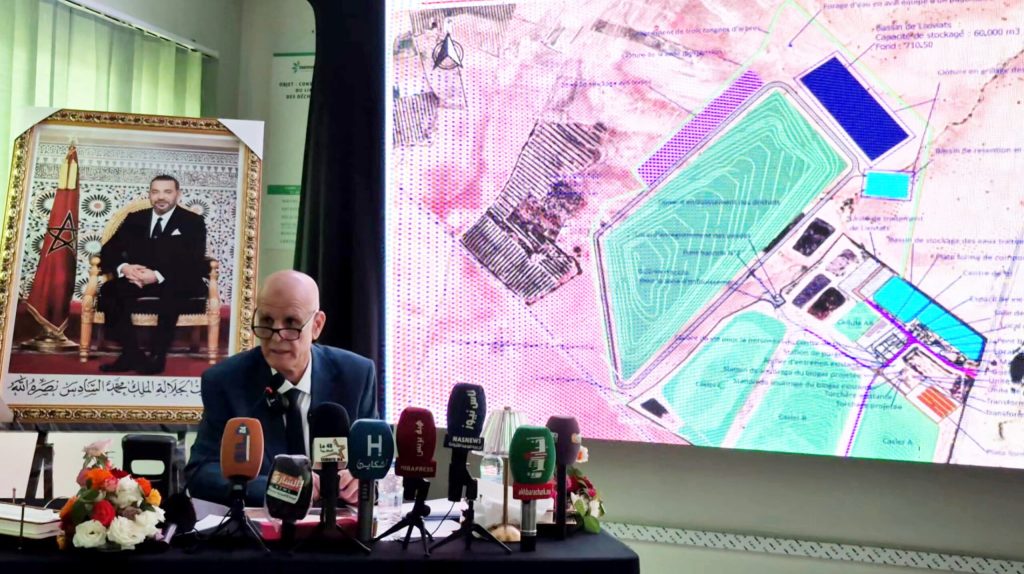
In the framework of openness to local and regional public opinion and strengthening institutional communication, Mohamed El-Azzaoui, head of the Oujda Commune, yesterday, Thursday, October 15th, chaired a field visit accompanied by a media delegation and local dignitaries to the domestic waste and similar waste treatment and valorization center in the city of Oujda. This meeting provided an opportune occasion to present a detailed overview of the project, its management outcomes, and the major anticipated projects for the development of this vital facility.
A Pioneering Project with National and Continental Specifications
Mohamed El-Azzaoui affirmed at the beginning of his presentation that this important environmental project, which first opened in 2005 on a total area estimated at 133 hectares (approximately 25 hectares of which have been utilized over the past two decades), aims to be among the pioneering projects at both the national and African levels. The geographical location of the center, situated about 20 kilometers from the city center, is characterized by its full compliance with the required environmental and technical conditions; the area is situated above clay-limestone geological formations that act as a natural barrier, protecting the water table from any potential leaks.
Concession Management Agreement and a Huge Financial Envelope
The waste treatment and valorization center is subject to a concession management contract extending for 15 years (from October 27, 2023, to October 26, 2038), with an estimated total amount of 67.2 million dirhams (approximately 67.2 billion centimes) including fees. The head of the commune explained that this large financial envelope received significant financial support from the Ministry of Interior and the Directorate of Environment, with the aim of alleviating the financial burden on the concession holder company and the commune's budget, and maintaining a reasonable cost for treating a ton of waste, of which the city produces nearly 400 tons daily. The contract also links the progress of work and payment of dues to the levels of achievement, sorting, and treatment, with the establishment of a strict system of fines and penalties in case of any delay or breach of the specifications.
Strategic Objectives and Major Pillars of the Project
The new project represents a complete break from classic management methods, as it is based on several essential pillars that ensure environmental protection and resource valorization: Semi-mechanical sorting: Establishing a sophisticated waste sorting center and recovering recyclable and biodegradable materials, which reduces the volume of waste directed for technical landfilling. Leachate treatment plant (Leachate): Constructing a modern and complex treatment unit with a capacity of 180 to 200 cubic meters per day, considered the first of its kind nationally, employing advanced technologies (including advanced evaporators) to treat and filter leachate with high percentages, reaching the extraction of water suitable for irrigation and recycling within the landfill. Energy valorization and electricity production: Establishing a network for collecting biogas and utilizing it to operate electricity generating units, contributing to the self-sufficiency of the facility and providing clean energy. Organic composting: Establishing a platform for converting green waste and biodegradable materials into high-quality compost. Environmental landscaping and afforestation: Final rehabilitation of former landfill cells (by covering them with insulating layers, topsoil, and green spaces) and planting a wide green belt around the exploitation perimeter to improve the aesthetic landscape and reduce odors.
Addressing the Odor Problem and Strict Monitoring
Regarding the questions raised about the emission of unpleasant odors, the head of the commune provided precise technical explanations related to the decomposition of organic matter and food scraps during hot periods and the phenomenon of thermal inversion at night, confirming that the operation of the new integrated system for treating leachate and gases will eliminate this problem definitively.
At the end of the meeting, Mohamed El-Azzaoui stressed that elected councils, local authorities, and monitoring companies are closely and very strictly following the stages of implementing this huge project, emphasizing that this environmental endeavor will be a driving force for sustainable development and a field for scientific research and training at the level of the city of Oujda and the entire Oriental region.