HIBAPRESS – Abdellatif Baraka
It may seem simple, a voter enters the polling station, holds an ordinary pen, makes a mark, and then leaves, but what happened in Britain recently proves that small details can cause political earthquakes. That simple pen was not just a tool, but an expression of deep confidence that the vote counts, and that the result is respected.
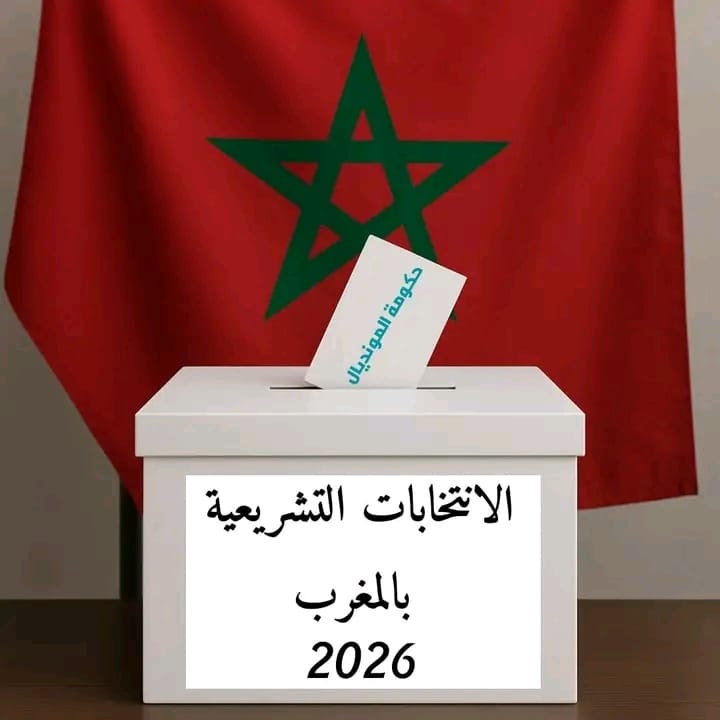
In the British local elections, people voted not only to choose their representatives, but also to express a general mood angry about a tiring economic reality, declining public services, and political elites who seemed far from their concerns. The result was surprising, with the rise of a new political force and the decline of traditional parties that were accustomed to sharing power. The message was clear and simple at the same time: "If you don't listen to us, we will change you." This transformation does not need complexity to understand, the British voter was not looking for perfection, but for someone who listens to him, and when he felt that his voice could actually change, he used it without hesitation. Herein lies the power of true democracy, not just in laws, but in the collective belief that the ballot box decides, and that the popular will is translated into reality. Away from Britain, Morocco is also approaching a new electoral station, the context is different, but the question is one, does the citizen feel that his voice has value? Many Moroccans do not question the form of the elections as much as they question their usefulness, will the results change anything in their lives? Will it produce elites close to them? Or will things remain as they are, no matter how the names change? Here, the discussion becomes deeper than just "voting", the issue concerns trust, when the citizen loses this trust, he withdraws, and when he adopts this approach, the elections lose their spirit, even if they take place in the best technical conditions. The lesson that can be drawn from the British experience is simple and clear, people participate when they feel that their voices make a difference, and they punish when their expectations are not respected, living democracy is not the one that prevents anger, but the one that allows it to express itself inside the ballot box instead of the street. In Morocco, the bet today is not only to organize successful elections in terms of form, but to make it a moment of meaning, a moment in which the citizen feels that his voice is not just a number, but a decision, and that his choice can change, or at least be held accountable. In the end, the pen is not important, nor is the ballot box in itself, the important thing is what people believe as they go to vote. In Britain, voters wrote their message with a pencil, and in Morocco, the message has not yet been written… but it will be written soon. The question: will it be read well?