HIBAPRESS – Abdellatif Baraka
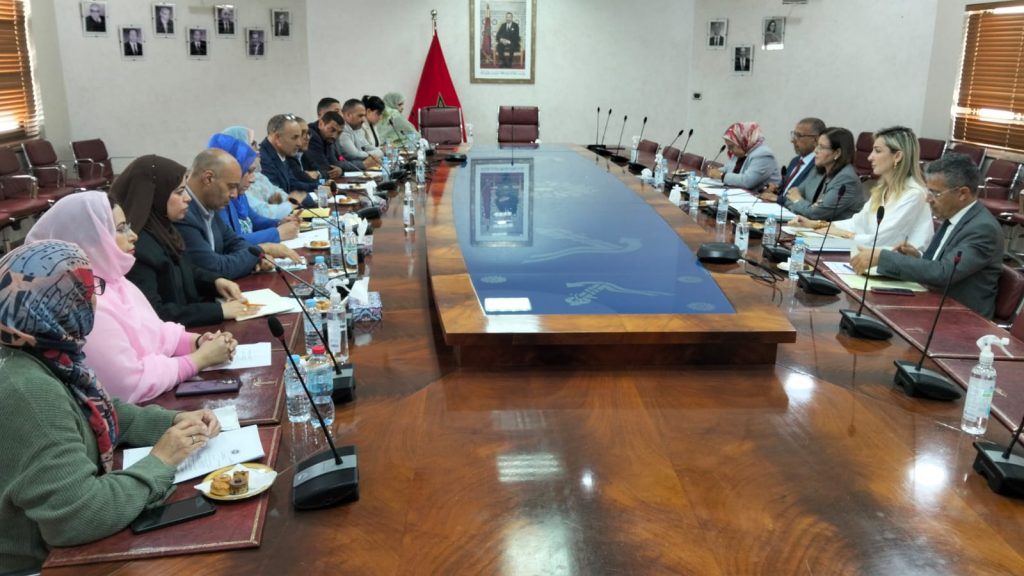
Union sources have revealed new outcomes of the sectoral social dialogue session in the fisheries sector, which was held on Tuesday, May 19th, with representatives of the National Union of Ministry of Fisheries Employees, affiliated with the Democratic Confederation of Labour, and the National Federation of Fisheries, affiliated with the Moroccan Union of Labour.
This meeting, which began with a prayer for the pure soul of Mr. Abdelwahed Arrouaki, the fisheries delegate in El Jadida, comes within the framework of continuing sectoral social dialogue sessions regularly, with four meetings held within a year, reflecting the State Secretariat for Fisheries' keenness to consolidate a participatory approach based on dialogue and consultation with social partners.
The meeting resulted in a package of professional and social measures described as "positive" in the process of improving the conditions of female and male employees in the sector.
According to the available data, a significant financial increase was approved within the envelope allocated for the seasonal bonus, with a total value of three million dirhams, in a step considered a practical response to demands that had been raised for years.
It is expected that this increase will be implemented according to a participatory approach that ensures transparency and fairness in distribution, achieving a kind of balance between the various professional groups and enhancing the climate of trust within the administration.
In a related context, the results of the dialogue included a remarkable indicator regarding the review of compensation for overtime, especially for agents in charge of monitoring tasks, where the trend is towards raising the value of compensation to 70 dirhams per hour instead of the current 10 dirhams, with a monthly ceiling that may reach 5,000 dirhams.
This measure is viewed as a practical recognition of the size of the burdens and responsibilities borne by workers in this vital field.
The discussion was not limited to social aspects only, but extended to include strategic issues related to the management of fish wealth, as the same sources called for urgent measures to reduce the depletion of stocks, including stopping the export of frozen sardines, and preventing the complete use of surface fish in the production of flour and fish oil.
These proposals aim to protect national marine resources and ensure their sustainability, in addition to valuing fish products locally in a way that serves the national economy.
In its overall assessment, the union sources considered that what was achieved constitutes an advanced step in the sectoral negotiation process, and reflects a kind of positive interaction with a number of outstanding issues, but they stressed in return that the next stage requires continued mobilization to complete the rest of the demands, especially in light of the increasing challenges facing the sector, whether at the level of governance, sustainability, or professional justice.
With these outcomes, it appears that social dialogue in the fisheries sector has entered a new phase, the title of which is achieving a balance between improving social conditions and preserving fish wealth, with a view to building a more stable and efficient sector.