

HIBAPRESS
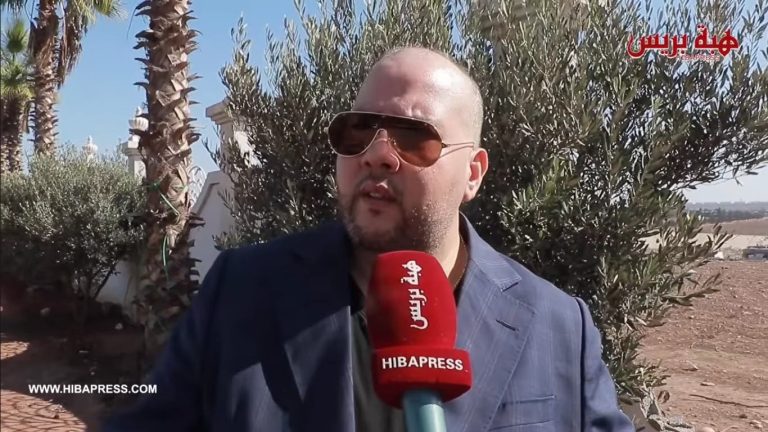
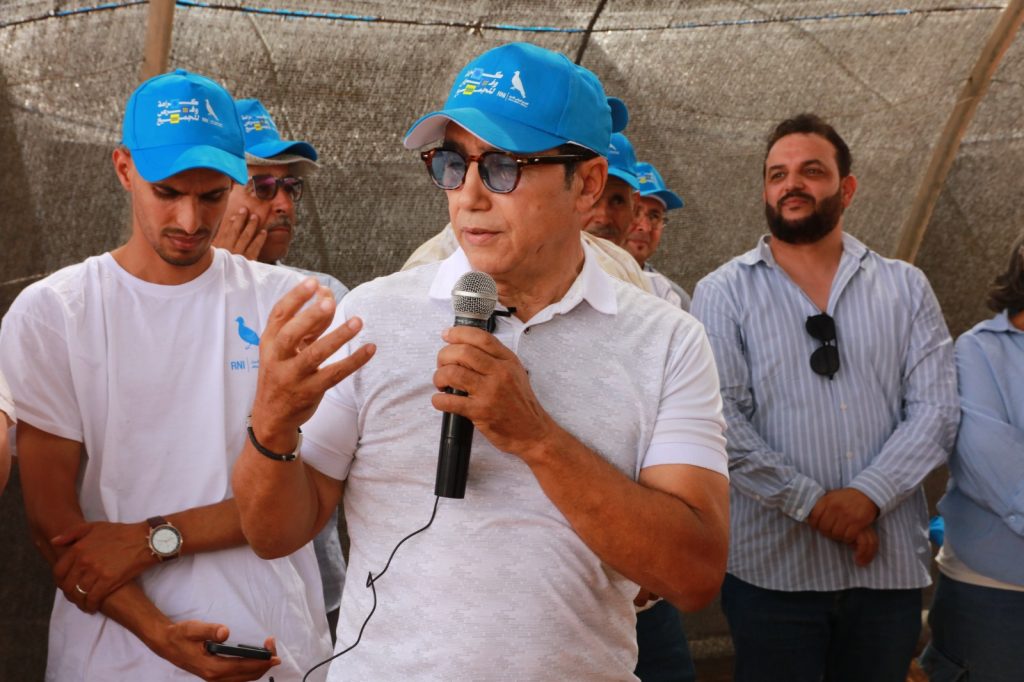
Mustafa Al-Raddad, a Member of Parliament and the Political Bureau of the National Rally of Independents (RNI) party, affirmed that the Azilal province, to which he belongs, has remained committed to institutions and struggled to strengthen them, noting that history bears witness to this. He added that the 2021 elections constituted an important political milestone, highlighting that the head of government, Aziz Akhannouch, visited the Beni Mellal-Khénifra region five times in five years, in response to the expectations of the inhabitants. However, according to him, some opponents were bothered by this presence.
Al-Raddad explained, during a large communication meeting organized by the party in Azilal province on Monday, that the RNI party is deeply rooted in the region and present on the ground, asserting that it has not resorted to administrative means to communicate with citizens. He stressed that Morocco, under royal leadership, has chosen to continue the path of strengthening democracy and development, considering that some parties have deviated from the true path of engaging citizens and youth.
The speaker expressed his pride in belonging to the RNI party, which he described as a party with strong institutions, believing that these qualities qualify it to lead in the upcoming elections. He also highlighted that the RNI government has begun implementing the social state project through a number of essential areas, including health, education, and employment, sectors that he said other parties have not dared to tackle with the same courage.
The RNI leader stated that this political milestone reflects, in his words, the depth of national belonging and loyalty to institutions, and reaffirms the constants of responsible party struggle and continued solidarity with citizens. He considered that the on-the-ground presence and direct communication with the inhabitants constitute an essential part of political and party work, within the framework of serving citizens and defending their expectations.
Al-Raddad said that the actual implementation of the "social state" project is primarily based on the outcomes of the strategic report of the new development model, indicating that the government has succeeded in addressing a number of major long-standing issues over the years by restructuring vital sectors, most notably education, health, and employment.
He added that, in the same context, the government has worked to launch a new investment charter aimed at facilitating financing and supporting foreign investment, considering that these measures are part of a reform process aimed at enhancing the attractiveness of the national economy, stimulating investment, and supporting development.
The speaker considered that these structural efforts have, according to the data he presented, been reflected in a number of the Kingdom's economic indicators, noting an improvement in purchasing power, Morocco's advanced ranking, and a growth rate that he said exceeded 4.9 percent in recent years.
Mustafa Al-Raddad emphasized that continuing this development path, which he described as built on solid foundations, remains a strategic choice to strengthen democratic and institutional building, entrench the values of citizenship, and serve the nation and institutions, stressing at the end of his speech the importance of continuing political and field work in this direction.