HIBAPRESS
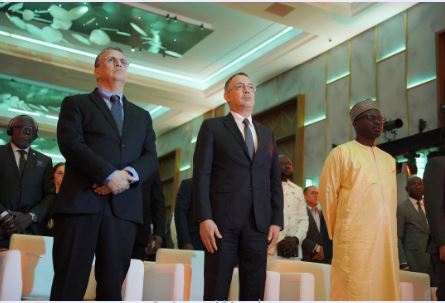
Morocco, on Friday before the African Union's Specialized Technical Committee on Defence, Safety, and Security, in Bujumbura, emphasized the need to rethink the future of peace support operations in the face of complex security challenges.
The Moroccan delegation explained, during the ministerial segment of the 18th ordinary session of the Specialized Technical Committee on Defence, Safety, and Security, that the changing nature of conflicts has highlighted the limitations of traditional peace support models, necessitating a reconsideration of approaches to better respond to the security realities the continent continues to face.
From this perspective, the Moroccan delegation called for collective thinking on the future of peace support operations, aiming to enhance their adaptability, effectiveness, and operational capacity, and to fully integrate them within the continent's current security landscape.
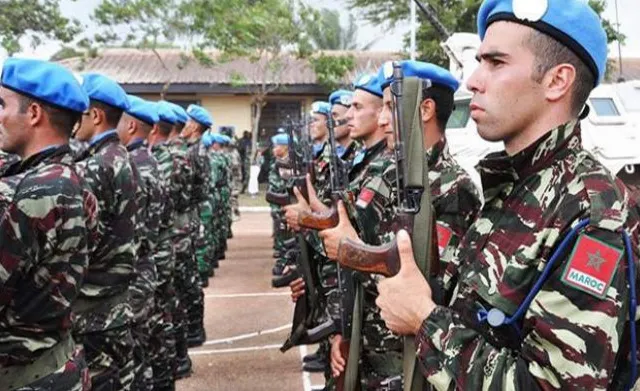
The delegation added that Morocco, guided by the insightful vision of His Majesty King Mohammed VI, the Supreme Commander and Chief of the General Staff of the Royal Armed Forces, remains resolutely committed to supporting its African partners, as well as the relevant institutions of the African Union, in developing capabilities suitable for the demands of peace support operations.
It continued that this commitment falls within an integrated, multidimensional, and solidarity-based approach aimed at strengthening collective African capabilities through targeted training programs, operational experience exchange, sharing of good practices, and developing essential skills, particularly in the areas of operational planning, crisis management, logistical support, and institutional support for African peace and security mechanisms.
The delegation noted that the Kingdom's work, beyond the continental framework, also extends to the bilateral level, for the benefit of partner African countries, within the framework of military and technical cooperation agreements based on solidarity, expertise sharing, and mutual capacity building.
It clarified that the Kingdom contributes, through technical support and participation in peace operations, to strengthening the national and regional capacities necessary for crisis prevention and management.
The delegation affirmed that this dynamic, supported by the operational experience of the Royal Armed Forces, enhances the interoperability of African forces, the adoption of international standards, and the emergence of a more independent, coordinated, and effective African response to common security challenges.
In the same context, the delegation highlighted that the Kingdom reiterates its readiness to support the African Union Commission in preparing the African Union's strategy related to psychological and social support for personnel participating in peace operations.
It explained that this engagement reflects the importance the Kingdom attaches to the human dimension of operational commitments, preserving human capital, enhancing the resilience of personnel deployed in the field, and better addressing the psychological constraints associated with complex environments.
The delegation confirmed that in light of the evolution of hybrid threats and the increasing risks associated with the digital environment, Morocco remains ready to support the African Union Commission in the area of cybersecurity.
It pointed out that this support could involve the exchange of expertise, specialized training, and the dissemination of good practices, contributing to the protection of the continent's vital systems and infrastructures.
It added that Morocco can offer its support for the planning and execution of African Union multinational exercises, such as the AMANI AFRICA III maritime exercise, by leveraging its experience in preparing, executing, and evaluating such activities.
It continued that such a contribution would enhance operational coordination, interoperability, and the exchange of expertise, while supporting African efforts aimed at achieving security, safety, and stability on the continent.