HIBAPRESS – Abdelatif Barka
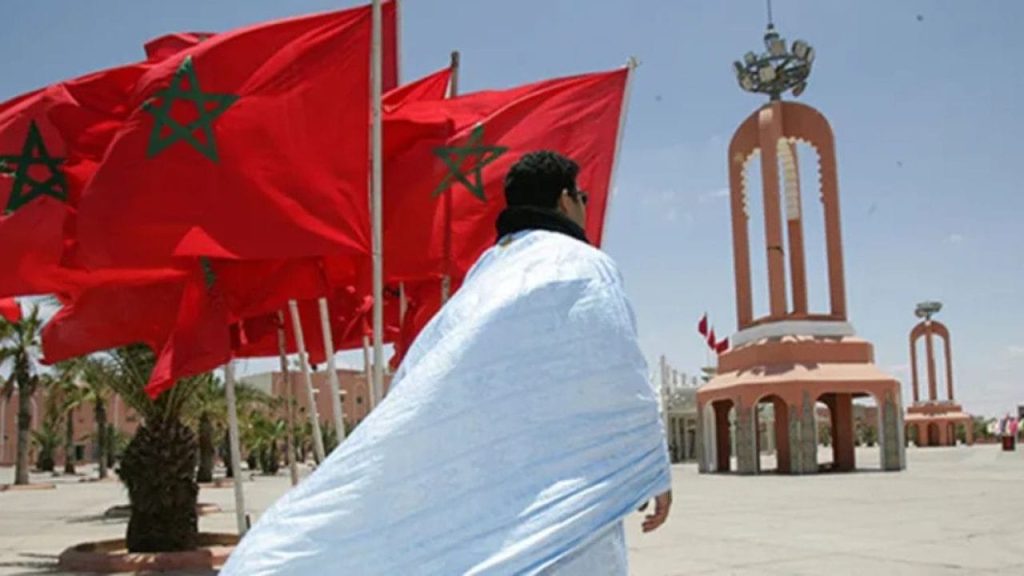
The legislative elections held on September 23rd have once again highlighted the notable presence of the three regions of the South of the Kingdom on the national electoral map, having recorded the highest participation rates nationwide, in a scene that underscores the continued significant disparity in voter turnout between Morocco's various regions.
The Laayoune-Sakia El Hamra region topped the rankings with a participation rate of approximately 77.5 percent, followed by the Dakhla-Oued Ed-Dahab region with around 61 percent, and then the Guelmim-Oued Noun region with 53.48 percent. Thus, the three southern regions maintained their position among the areas with the highest participation levels, while the national average remained around 38.08 percent.
These figures reveal a striking gap between the South and the rest of the Kingdom's regions, while also highlighting disparities within the southern regions themselves; the difference between Laayoune-Sakia El Hamra and Guelmim-Oued Noun exceeds 24 percentage points.
This comes in an electoral context characterized nationally by clear disparities in turnout rates, making the participation map one of the most prominent data points of the 2026 elections, without the numbers alone allowing for an explanation of voter motivations or their reduction to a single political or social factor.