HIBAPRESS – Tangier
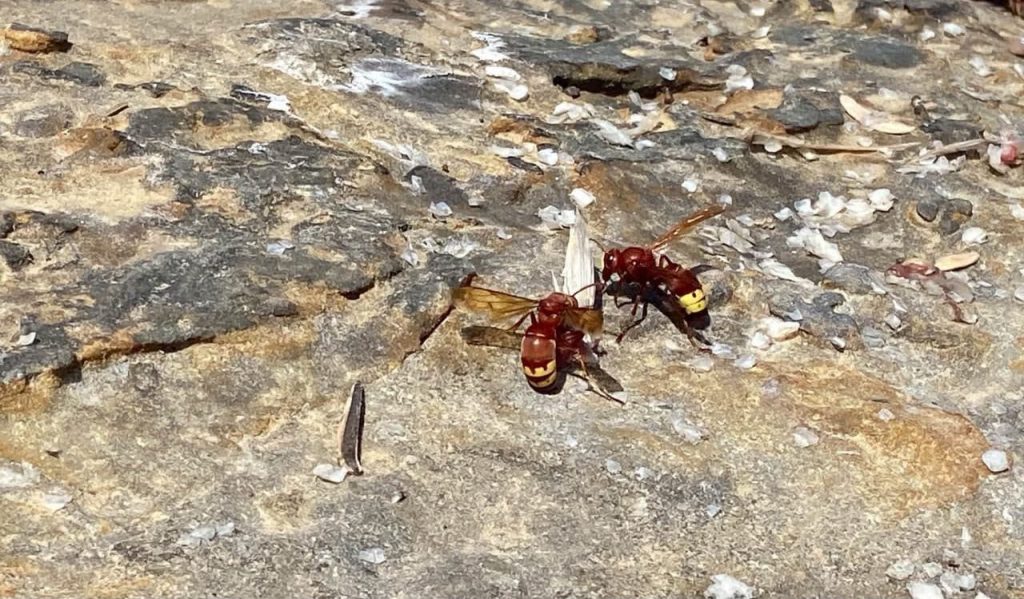
The reappearance of the Oriental Hornet, scientifically known as Vespa orientalis, in several northern regions, including Tangier, Tetouan, Martil, and Fnideq, has reignited the debate about the extent of this species' spread and its potential impacts on beekeeping, environmental balances, and public health.
The Tangier Observatory for the Protection of the Environment and Historical Monuments clarified that the currently available data necessitates field and scientific verification, especially in light of a study published in 2026 that documented the presence of the Oriental Hornet and the European Hornet (Vespa crabro) in the north of the Kingdom, based on observations and sample collection carried out during 2025.
According to the Observatory, the Oriental Hornet is a predatory insect that can attack honeybees, which may affect the activity of hives and stress their colonies, while scientific studies indicate a potential link to the transmission of some bee diseases between apiaries.
The concerns, according to the same source, are not limited to the beekeeping sector, as this species can establish itself in cavities, crevices, and human structures, including urban areas, while its multiple stings can pose a danger to individuals who are allergic to hymenopteran venoms.
Conversely, the Observatory emphasized that current data does not yet allow for determining the extent of the Oriental Hornet's spread or accurately mapping its geographical path, calling for organized field surveys and documentation of nest locations and individuals, while ensuring the scientific identity of samples and monitoring the evolution of their numbers.
The Observatory called for the launch of a regional monitoring and early warning mechanism, with the participation of authorities, relevant departments, universities, beekeeping professionals, and civil society, in addition to adopting professional and well-studied interventions when necessary, to avoid random control that could harm local species and other pollinators.
It also called for strengthening the awareness of citizens and beekeepers, while avoiding approaching nests or attempting to remove them individually, and establishing clear channels for reporting them, stressing that early monitoring and organized intervention remain essential for assessing the phenomenon and mitigating its potential effects.