HIBAPRESS – Abdelatif Barka
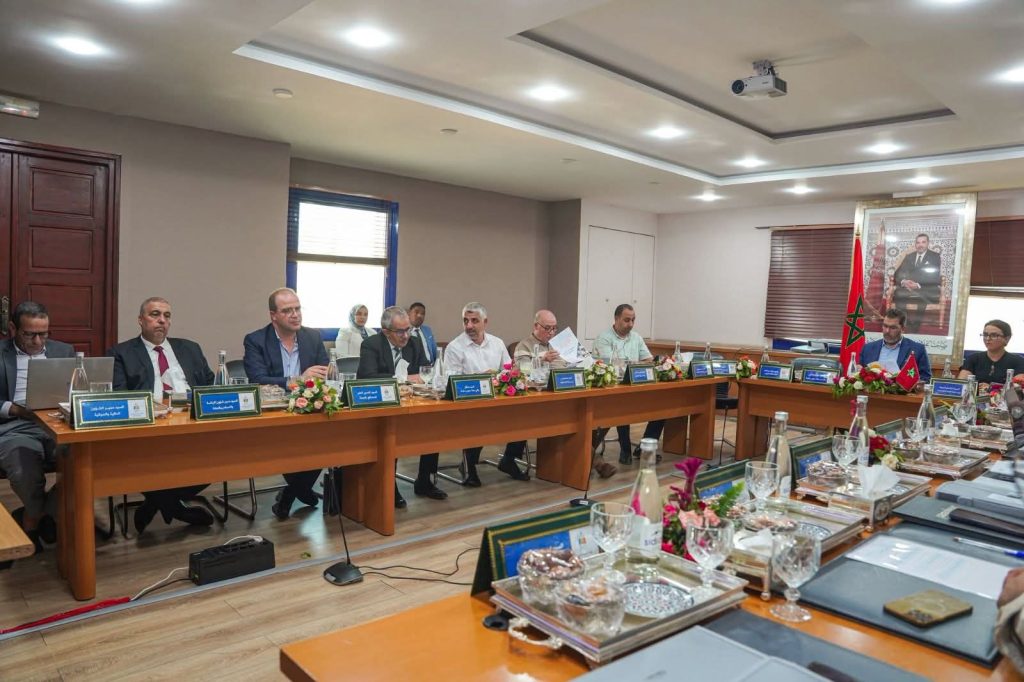
Some indicators within the Souss-Massa region council have begun to raise questions about the nature of the upcoming political phase, following the absence of the council's two vice-presidents and a number of members from the proceedings of the committee to follow up on the projects of the Regional Agency for Project Implementation, held on Tuesday, September 28th.
This comes in the context following the September 23rd elections, and the new political shifts and balances it has brought about, which may have an impact on the landscape within the regional institution.
These developments are of particular importance given the magnitude of the responsibility placed on the regional council, which is responsible for managing and implementing a number of development programs and projects for a population of approximately 3 million and 20 thousand people, distributed among more than 785,000 households. This phase also coincides with the continued implementation of the regional action program and the follow-up of projects by the Regional Agency for Project Implementation, which makes the regular attendance of elected officials and the interaction of the council's components with various committees and meetings an essential element in ensuring the normal functioning of the institution.
In the absence of official clarifications linking these absences to disagreements within the majority coalition "the Independents, the Authenticity and Modernity Party (PAM), and the Istiqlal Party," several questions remain about their background and potential repercussions. Is this a fleeting absence, or does it reflect the beginning of a divergence within the council's components? Who determines the priorities and agenda of the upcoming sessions? Will the current majority balances remain in the same form after the shifts that followed the elections? These questions will remain open until positions become clear and clarifications are issued by those concerned, especially since the upcoming phase requires greater cohesion to implement the development programs that the region's population awaits.