HIBAPRESS – Ifrane
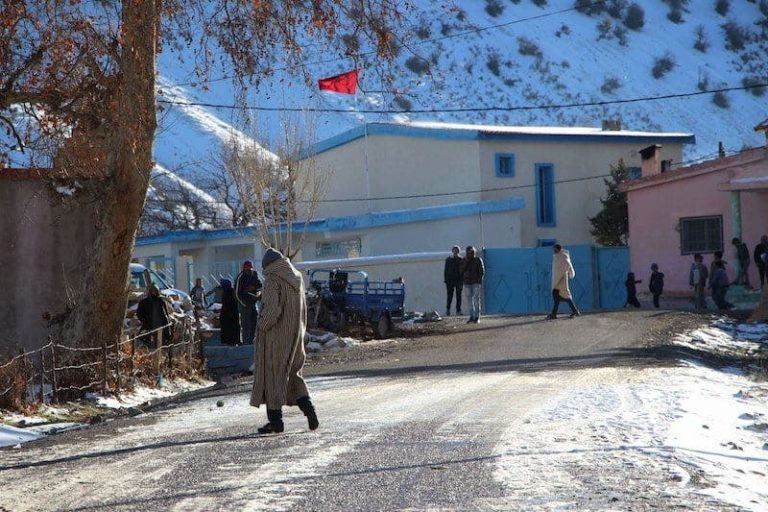
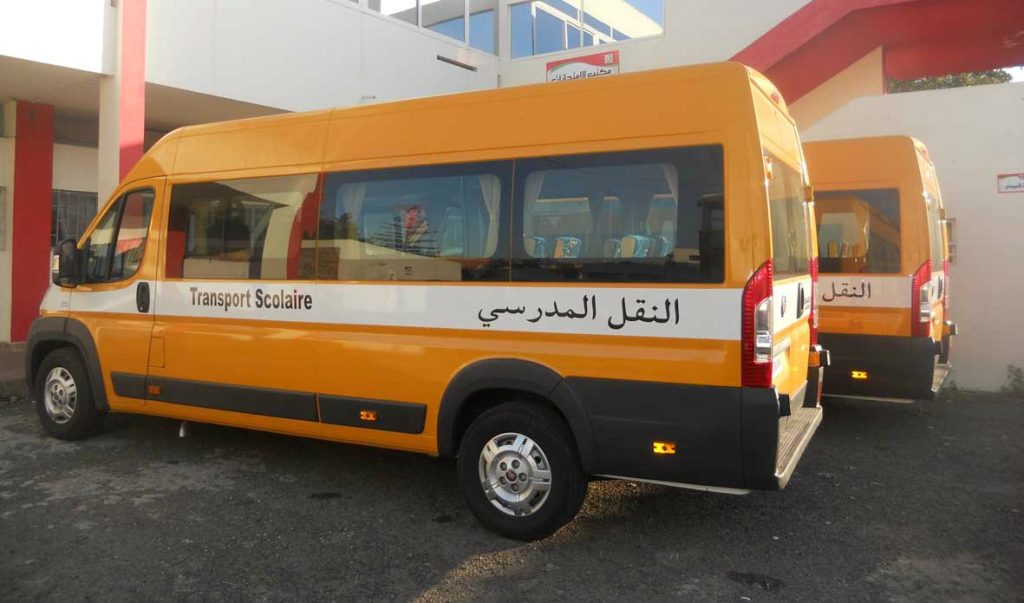
With the start of the new academic year, the issue of school transport returns to the forefront in several local communes in Ifrane province, amidst a significant shortage in the number of school transport vehicles, contrasted with the rising number of enrolled students. This sparks renewed concerns about the current system's ability to meet students' needs, especially in rural and mountainous areas.
The situation is exacerbated by overcrowding in some local communes in the province, which places families in daily difficulty related to ensuring their children's transportation to and from educational institutions, particularly for students residing in areas far from commune centers and educational institutions.
This situation raises more than one question about the adequacy of the currently available school transport fleet, its suitability for the evolution in student numbers and the educational needs of the province, in addition to the conditions of operation, safety, and the quality of services provided to beneficiaries.
In light of these data, the discussion is renewed about the role that the National Initiative for Human Development can play in supporting school transport, as it is one of the social projects related to combating school dropout and achieving equal opportunities, especially in rural and mountainous areas where distance and the remoteness of educational institutions pose a real obstacle to the continuation of some students' education.
The question remains: has the school transport sector in Ifrane province benefited from sufficient support to cover the growing needs? Is there a clear vision to expand the fleet to match the increasing number of students?
The current reality also highlights the responsibility of various stakeholders, from provincial authorities and local communes and those responsible for managing school transport, to the National Initiative for Human Development, to assess the situation on the ground, identify the real shortage, and work to find sustainable solutions that guarantee students their right to safe and regular transportation to educational institutions.
School transport is no longer just a means of transportation; it has become a fundamental lever for combating school dropout, especially in rural and mountainous areas. Therefore, addressing the shortage recorded in Ifrane province requires, according to observers, a shift from circumstantial solutions to proactive planning that takes into account demographic growth, the distribution of educational institutions, the number of students, and the daily distances they travel.
The local public remains awaiting clarifications on the size of the available fleet, the number of beneficiaries, the extent of the recorded shortage, the nature of the support allocated to school transport, and the extent of the National Initiative for Human Development's intervention to cover the growing needs.
Will the concerned parties take action to address this shortage before school transport becomes an additional obstacle to the education of children in the rural and mountainous areas of Ifrane province?