HIBAPRESS-Abdellatif Barka
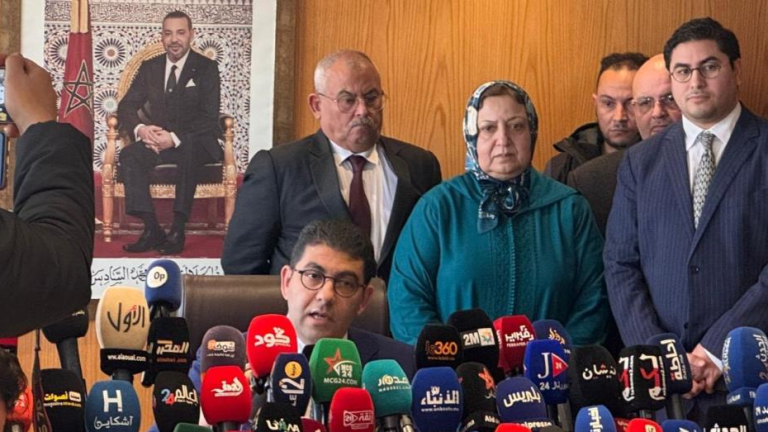
The population of Taroudant province looks forward to the new government, headed by Fatima Ezzahra Mansouri, to be a real opportunity to re-stimulate the wheel of development in the province, given the presence of three ministers originating from it: "Abdel Samad Kayouh, Minister of Transport and Logistics, Abdel Latif Wahbi, Minister of Justice, and Khalid Hachimi, Minister of Agriculture, Maritime Fisheries, Rural Development," and the accompanying hopes to accelerate the resolution of pending files and respond to citizens' expectations, who still face structural, administrative, and financial issues affecting the course of local development.
The vast territorial area of the province, which includes 89 local councils, poses significant challenges in terms of administrative management and bringing services closer to the population, especially in rural and mountainous areas. Among the most prominent demands is the creation of two governorates in the province to alleviate the administrative burden, bring the administration closer to citizens, and improve the efficiency of territorial management, in addition to accelerating the completion of infrastructure projects, breaking isolation, and improving health, education, and drinking water services.
Facing these challenges, attention turns to the three ministers and the seven MPs belonging to the province, amidst questions about their ability to transform their presence within institutions into a force for proposals and advocacy for Taroudant.
The bet today is not about the number of positions and political representation, but rather about its reflection on citizens' lives, through tangible projects, clear programs, and specific commitments to address accumulated imbalances.
Between hopes and expectations, the population of Taroudant awaits the new governmental phase to bring a developmental spirit capable of reducing spatial disparities, stimulating investment, creating job opportunities, and accelerating stalled projects.
The question that arises is: will the political representation enjoyed by the province succeed in translating promises into tangible results, or will the development files continue to await solutions that prioritize the population's needs?