Heba Press
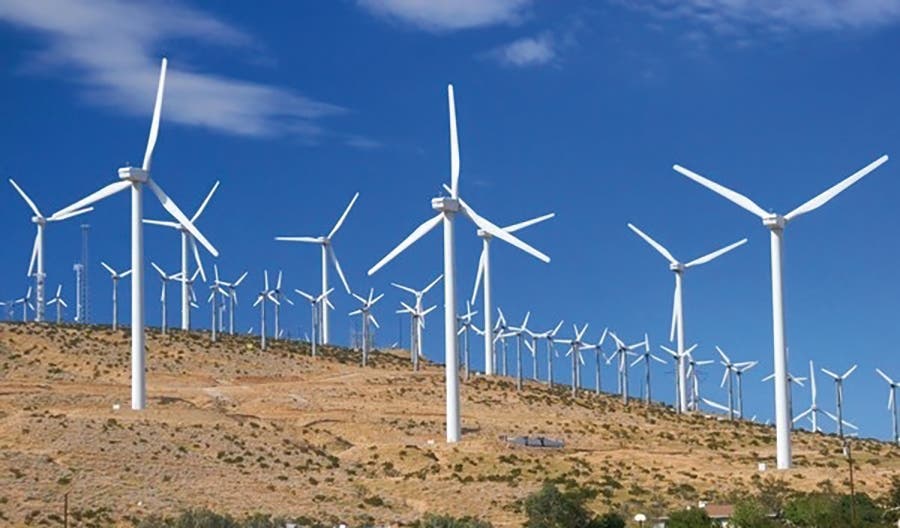
The Minister of Energy Transition and Sustainable Development, Leila Benali, indicated that the southern regions of the Kingdom have benefited from major renewable energy projects currently in operation, accumulating a total capacity exceeding 1.3 gigawatts with a financial investment of approximately 22 billion dirhams.
The government official explained that these areas will also benefit from several additional projects with a capacity of 1.4 gigawatts and an investment of around 21 billion dirhams.
During his response to an oral question in the House of Representatives, Benali confirmed that these projects are within the framework of high royal directives, and within the framework of the interest that the ministry has in the southern regions, and aim also contribute to the development of the country. and revitalization of the economy and create employment opportunities.
On the other hand, the minister indicated that in application of the Royal Directives, Morocco has adopted a model based essentially on the diversification of renewable energy sources, and bringing its share of installed electrical capacity to more than 52%. by 2030. .
Regarding some achievements in this area, Ms. Benali highlighted that “the installed electrical capacity for renewable energies amounts to approximately 5.3 gigawatts, which represents approximately 44.3 percent of the total installed capacity”, in addition to “double the pace of investments in renewable energies”. energies”, or more than four times, going from around 3.5 billion dirhams per year between 2009 and 2022 to an annual investment of more than 15 billion dirhams between 2023 and 2027.
As part of her response, the minister reviewed the strategic measures taken by the ministry to address the challenges related to encouraging competitiveness in the field of renewable energies, which mainly translate into “improving governance of the energy sector, by establishing an institutional framework” and “accelerating the pace of investments in renewable energies”, in addition to “developing the control and flexibility of the electricity system to support the intensive integration of renewable energies which is characterized by their fluctuations.
Among the measures taken, adds Benali, are “local industrial integration through strengthening research, development and innovation to increase the social and economic impact of the energy transition” and “continuous improvement of legislative and regulatory framework to take into account rapid changes. in this sector”, as well as “the mobilization of real estate containers in a fluid and transparent manner”, which plays a major role in the development of energy projects.