This article was automatically translated from HIBAPRESS, the Arabic version:
This article was automatically translated from HIBAPRESS, the Arabic version:
Heba Press – Muhammad Zariyouh
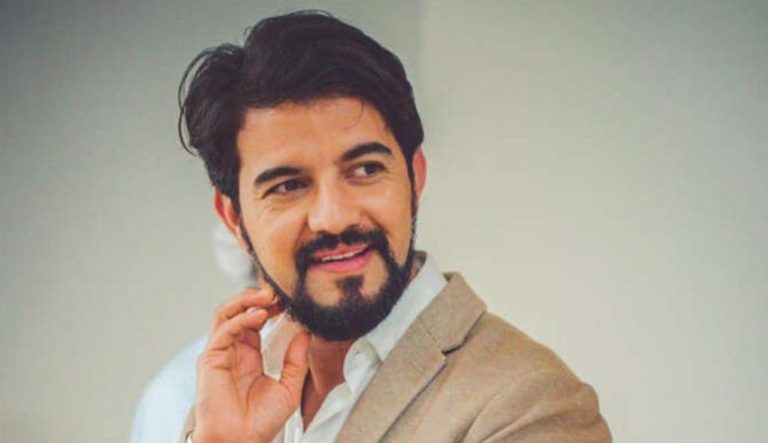
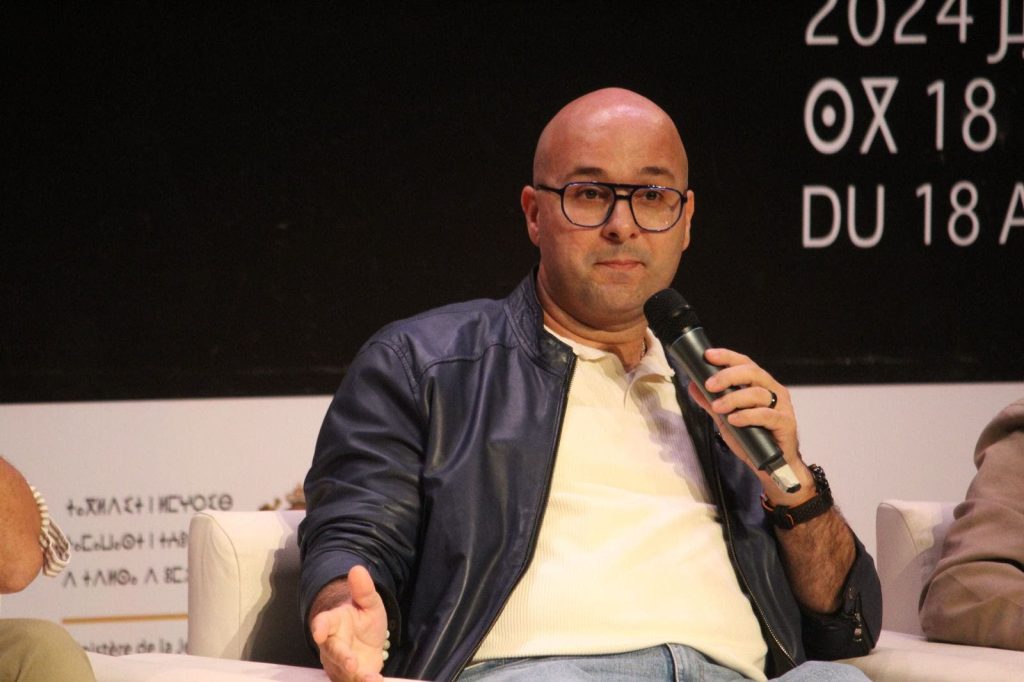
Axel Reifman is a Moroccan film and television director originally from Nador who currently resides in the United States of America, more precisely in Chicago. His passion for cinema began at a very young age, influenced by his family’s passion for the seventh art, since his grandfather owned a rich library and his uncle was an artist and painter. His environment was filled with books, drawings and films, which helped shape his love of fiction and images over time.
Axel decides to abandon his studies in architecture and topography to devote himself full time to cinema, a decision that radically changes the course of his life. He started his career producing music videos and short films in Spain and Morocco, and achieved great success with the first rural language comedy series titled “Mani Dash Gatho Dar”, produced as part of the opening from the Tamazight channel.
The experience of producing his first film, “Deadly Silence”, constitutes a major turning point in his career, as it was self-financed in cooperation with producer Buzaco. The film won the Best Screenplay award at the Meknes Film Festival, which inspired him to continue. Later, he directed his first feature film, “Monsters”, which was screened in international festivals and won several awards in America, Europe and Africa. However, the honor that was most important to him was that of the Royal Institute of Amazigh Culture.
In his latest work, Axel released the film “A Corpse on the Bank of Marchica”, a film whose production he financed independently and which received moral and financial support from his friends. The film was screened as part of the twenty-fourth session of the Tangier National Film Festival. About this work and his cinematographic career, Heba Press carried out the following interview with the director.
Axel explained that the film’s story was inspired by the nostalgia and sadness he feels upon returning to his hometown, where he finds himself comparing the city’s development to what he saw in other films. other cities around the world. He began researching with his engineer friend the depth of authentic architecture, which inspired him to write the screenplay to express these ideas. The film explores the multiple conflicts between knowledge and ignorance, between those who love what they do and those who practice jobs that society imposes on them.
When it comes to filming challenges, Axel faced harsh weather conditions while filming his latest film, with temperatures reaching forty degrees Celsius and humidity of ninety percent. Despite the difficulties, he emphasizes that the support of the work team and his friends made the experience unique.
The film received positive reactions at the festivals where it was screened, notably in Tangier, Nador and Granada, where audiences expressed their deep appreciation for the film, prompting Axel to consider screening the work on a larger scale.
Regarding his choice of rural language in his films, Axel explains that language does not constitute an obstacle to the success of a cinematographic work. He believes that cinema relies more on the power of the image than on dialogue, stressing that Moroccan films must reflect the cultural and linguistic diversity of the country.
Axel ended his speech by emphasizing the importance of film festivals in supporting the industry, because they constitute a showcase to introduce the world to Moroccan culture and the creativity of directors. He also stressed that Moroccan cinema cannot achieve a qualitative leap without equity in financing and production and without inclusiveness in the stories told, reflecting the cultural and social diversity of the Kingdom.
Axel believes that the development of Moroccan cinema requires more young and creative voices, and that working to build a true Moroccan cinema requires meeting challenges with a spirit of creativity and passion.