This article was automatically translated from HIBAPRESS, the Arabic version:
This article was automatically translated from HIBAPRESS, the Arabic version:
Heba Press
Moroccan exporters and Mauritanian consumers are facing the repercussions of the Mauritanian authorities’ decision to impose additional duties on vegetable imports, a measure which began to be implemented in 2024 as part of the amending finance law , and was renewed in the 2025 finance law.
These fees include an increase in taxes on imported vegetables from 13.73% to 39.23% in certain periods, which has sparked a wave of discontent in agricultural and business circles.
This decision led to a significant increase in vegetable prices due to the lack of local production, which only covers 25% of the needs of the domestic market, and its low competitiveness.
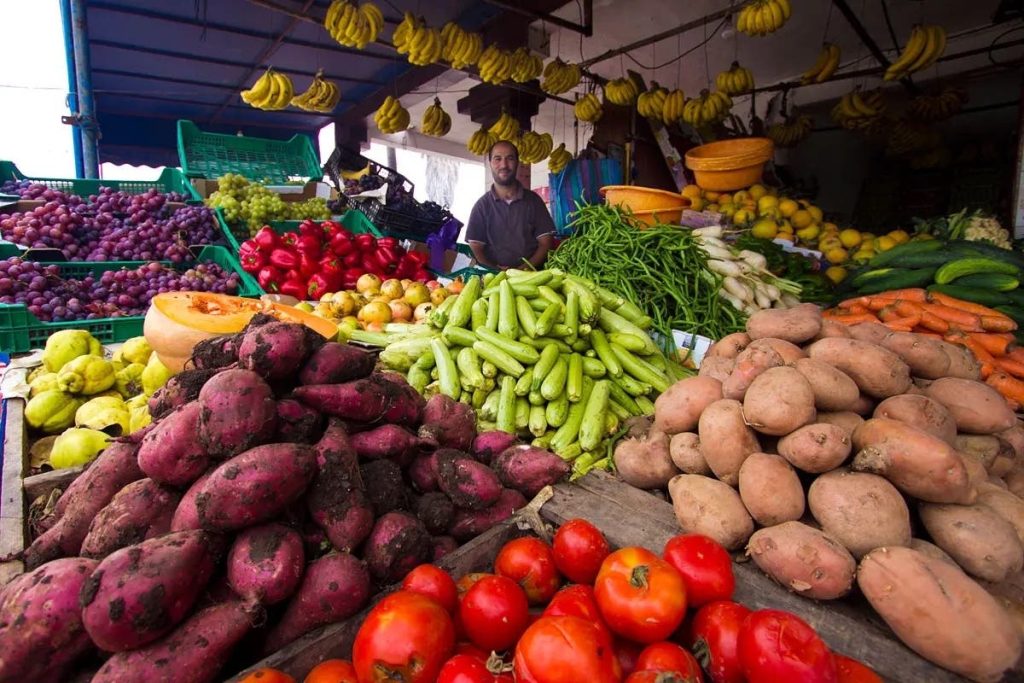
Since the implementation of this measure, Mauritanian markets have experienced a notable shortage of certain agricultural products and an increase in their prices.
The Moroccan agricultural sector, which is one of the main suppliers to Mauritanian markets, was among the most affected. Carriers and producers have expressed dissatisfaction with the additional costs that impose an economic burden on the entire supply chain.
At the same time, Mauritanian consumers are facing financial difficulties as the prices of some staple vegetables have increased significantly, reducing their purchasing power.