This article was automatically translated from HIBAPRESS, the Arabic version:
This article was automatically translated from HIBAPRESS, the Arabic version:
Heba Press – Rabat
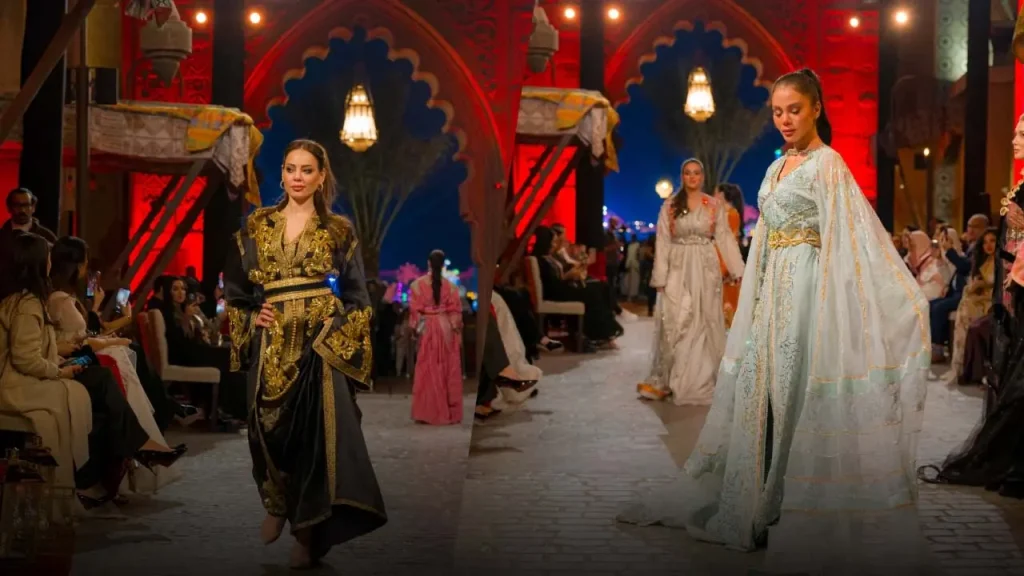
The famous magazine “Jeune Afrique” published a report on the Moroccan caftan, which it considers a cultural symbol and a diplomatic tool, in light of the attempts of certain actors from the “other frozen world” to plunder Moroccan heritage . deeply rooted in history and attribute it to them, even through theft.
In this regard, Jeune Afrique confirmed that the Moroccan caftan is more than just a traditional costume, but has become a diplomatic and cultural tool which contributes to strengthening Morocco’s international influence.
The report highlights the use of the caftan as a means of soft power, as Morocco strives to list it as a UNESCO intangible cultural heritage. This comes in light of competition with Algeria over the registration of common heritage elements such as. the zellige and the millha.
The Jeune Afrique article discusses the origin of the Moroccan caftan, which dates back to the 12th century, during the time of the Almohad state, where it was worn by the ruling elite, and gradually moved to various classes. Later, its models and styles. has grown to become an essential part of Moroccan identity, with each region distinguished by its own designs.
Jeune Afrique, through its report, explains that the Moroccan caftan has experienced remarkable development since the start of the new millennium, with increasing demand during official occasions and international forums. This spread also contributed to the appearance of the royal family. on official occasions, he wears the caftan, which reinforces his position as a national symbol.
Morocco has worked to establish a legal and regulatory framework to protect the caftan, notably by launching the “Moroccan Heritage” brand and developing strict laws to protect this heritage against attempts at appropriation or imitation.
Moroccan plans also focus on strengthening the position of the caftan globally by organizing international cultural events and establishing an integrated system including the development of traditional crafts and training in traditional costume design.