This article was automatically translated from HIBAPRESS, the Arabic version:
This article was automatically translated from HIBAPRESS, the Arabic version:
Heba Press
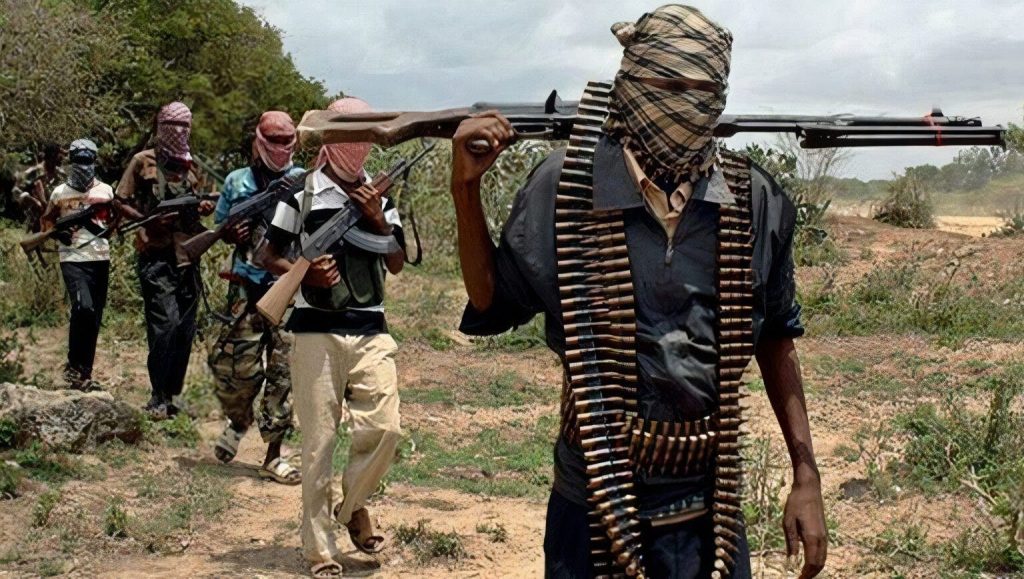
The sub-Saharan region has recently seen a strong return of the activity of armed terrorist groups, which has had a significant impact on security stability in many countries such as Burkina Faso, Niger, Mali and Chad. These activities are increasing rapidly, reflecting an escalation in the scale of regional and international threats and growing concern about the future and security of the region.
Escalating terrorist attacks in the Sahel region
The Sahel region is known as one of the most dangerous places in the world in terms of terrorist activities, as several groups such as the Islamic State in the Greater Sahara (ISIS-Sahara) and the Islam Support Group and Muslims (Al-Qaeda)) are present. These groups continue to carry out terrorist operations and occupy large areas of territory, which contributes to spreading chaos and weakening the prestige of local governments.
Niger and Burkina Faso are among the countries most affected by this activity, as they are located at the heart of the so-called “Triangle of Death”, which is experiencing a continued escalation of attacks against military forces and civilians.
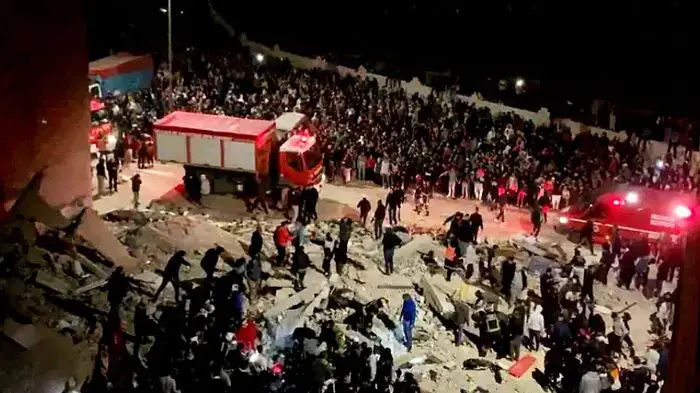
The recent attack on January 11, 2025 in Burkina Faso, which killed 18 soldiers and several civilians, is a striking example of the dangers facing this region.
The impact of these activities on local and international security
Increased attacks on transportation: Given the deterioration of the security situation, the roads connecting the main cities of Burkina Faso, Niger and Mali have become areas vulnerable to attacks.
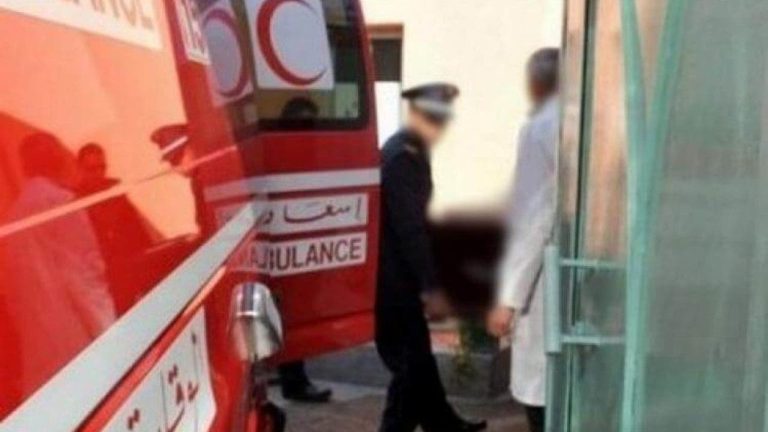
The disappearance of four Moroccan drivers on the road linking the towns of Dori and Terra earlier this month reflects the growing risks facing international transport. This area is considered one of the areas where armed groups are most active, causing many commercial truck convoys to stop for fear of attacks.
Complexity of military operations: Counterterrorism military operations in this region continue to face great difficulties due to the large areas controlled by terrorists, as well as the rugged terrain, which makes it difficult for local and international forces to secure roads and protect civilians. Additionally, many countries in the region suffer from weak military capabilities, further complicating the situation.
Impact on the regional economy: Transport and trade in the region have been severely affected by these attacks, negatively affecting the economies of Sahel countries. The sudden stopping of trucks, especially those that respect security principles and provide protection through military forces, increases transportation costs and disrupts the flow of essential goods.
Growing intensity of internal conflicts: In the face of increasing terrorist activity, many countries in the Sahel are facing internal crises, including political divisions and social conflicts. These groups are also expanding their control, allowing them to impose their own laws in certain areas.
The relationship between Algeria and the return of terrorist activity
There is likely a link between the escalation of terrorist activities in the Sahel region and the political and military roles played by Algeria in this region. Algeria is considered one of the main regional powers in North Africa and exercises political and military influence in the Sahel countries.
Algeria’s role in the fight against terrorism: Algeria represents a major force in the fight against terrorism in the Sahel region, as it has provided military and training support to many countries in the region. However, indications suggest the existence of a certain coordination or indirect influence of the Algerian army in certain operations of terrorist groups. Some reports indicate that there are indirect links between some of these groups and military or political groups in Algeria, raising questions about involvement in or implicit support for certain terrorist activities in the region.
Borders and regional policies: Algeria, through its policy in the Sahara region, could contribute to fueling tensions between armed groups, particularly in light of the growing competition between regional powers for influence in the region. Although Algeria officially denies any association with terrorist groups, the escalation of terrorist activities in border areas with Mali and Niger indicates the potential for complexity in the regional security landscape.
Growing terrorist activity in sub-Saharan countries represents an enormous challenge to regional and international security. Continued attacks on transportation infrastructure and growing threats against civilians and military personnel require local and international governments to take urgent and effective action to combat this threat. At the same time, questions arise about the extent to which certain regional powers contribute to increasing or complicating these terrorist activities.