This article was automatically translated from HIBAPRESS, the Arabic version:
Hibapress
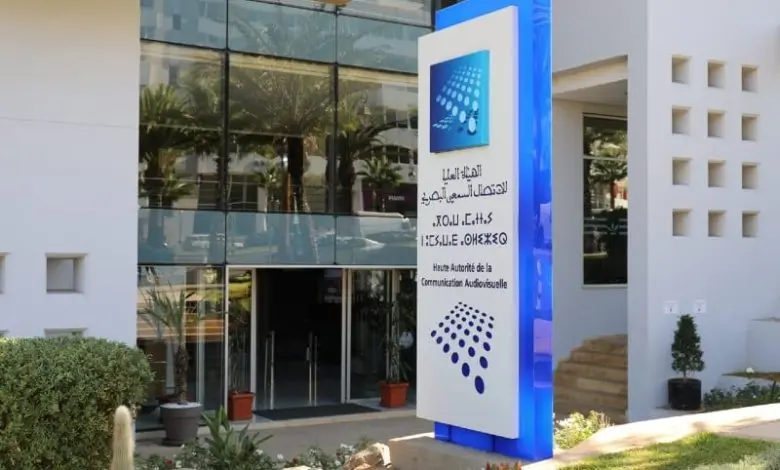
The Higher Council for Audiovisual Communication (CSCA) under the High Authority for Audiovisual Communication (HACA) has focused on Thursday on the importance of reconciling the rights of the public and the economic imperatives of operators during the sacred month of Ramadan.
In a press release, HACA indicates that as defined in its mandate, its regulation of advertising content aims to ensure a balance between the rights of media user citizens and the economic interests of audiovisual operators.
In this context, based on the rules in force in the supervision of advertising programming and content regulation, the CSCA decided during its plenary meeting of the 25 current to recall that the month of Ramadan is traditionally a peak in terms of advertising investments. The importance for operators to capture resources during this period of high activity is a proven fact and a well understood economic imperative.
Nevertheless, continues the HACA, this situation must go hand in hand with taking into account the best interests of the public, some of which as children and young audiences are vulnerable to overexposure to advertising communications.
As usual, the programming of Moroccan radios and televisions was marked during the month of Ramadan this year by a phenomenon of advertising congestion, especially during great listening hours. This advertising overload negatively impacts the public experience and affects the perceived value of editorial content, whether works of fiction, information or other.
Advertising congestion is likely to affect the public commitment to programs and undermine the image of the media, especially those of the public service, notes the same source.
Autosisines, such as complaints from citizens and associations received by HACA, reveal a great need to strengthen the self -regulation of operators in terms of advertising communication.
Unclacious or prohibited advertisements, confusion between sponsored content and editorial program, confusion between advertising and sponsorship, lack of transparency in terms of product placement, all these practices must be banned from audiovisual content in the first name of the law of citizen and the Moroccan public to programs of quality and confidence.
Beyond his power of sanction which he does not hesitate to use, the CSCA considers that the risks of erosion of the editorial credibility of Moroccan audiovisual, that these advertising practices contribute to exacerbate, cannot be resolved by the regulator’s intervention alone.
In this regard, the Council calls for the implementation of innovative, ethical advertising practices, preserving both the editorial independence of the media and the interests of adovisual advertisers and operators. This can only be done in the context of a viable and lasting economic model for the audiovisual media. An emergency at a time when media ecosystems are experiencing deep changes around the world whose real stake refers to questions as vital as media and cultural sovereignty, the press release concludes.