This article was automatically translated from HIBAPRESS, the Arabic version:
This article was automatically translated from Hibapress, the Arabic version:
Heba Press – Abdul Latif Baraka
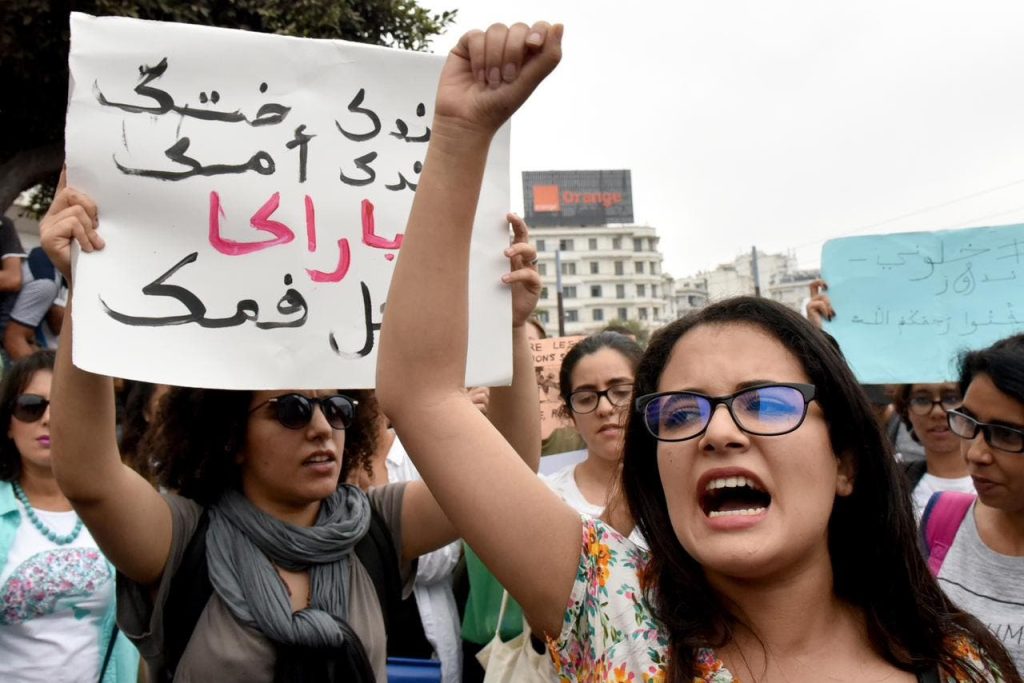
In a recent survey, the results revealed a given disruptor, namely that 52.2% of the participants expressed their dissatisfaction with regard to Moroccan relations with women in public space, considering that harassment to which women are exposed is incompatible with the values of respect and appreciation that relations are supposed to be printed within Moroccan.
And 36% of respondents estimated that there was an average respect in this context, while the percentage of satisfaction with regard to this agreement did not exceed only 11.9%.
These figures stimulate the alarm of the propagation of the phenomenon of harassment and harassment in public spaces, streets, public spaces and means of transport, which negatively affects the feeling of security of women and limits their freedom to move and practice their daily life without concern or fear.
Although these behaviors are increasing, they remain a stranger to authentic Moroccan culture which has been known for a long time for their respect for women and their position within the family and society, as Moroccan traditions, from North to South, and from East to West, demonstrated women and gave them a central role in social life, which makes these behaviors condemned the reflection of sociological transformations and
Sociology specialists believe that the reasons for the propagation of this phenomenon range from low education on the values of citizenship and respect, and the absence of effective legal deterrence, in addition to the stereotypes of women in the media and popular culture, which fuels bad perceptions between groups of society, especially among young people.
Human rights actors unite the need to launch continuous awareness campaigns to consolidate the culture of respect for women in public space, while strengthening penalties against harassment and harassment, and not tolerating any behavior that violates women’s right to feel safe and dignity.
Reconating the values of respect and gender assessment is not only an individual responsibility, but rather a social responsibility which requires concerted efforts of the State, educational establishments, cultural bodies and the media, to raise generations who believe that women are a human being full of rights, it is not allowed to harm or harass them in all circumstances.
.Hibawts {display: inine-flex; Align-Eeetems: Center; Justification-contained: Center; Background color: # 25D366; padding: .5rem 1.25rem; Police size: 1st; Link-Height: 1.5rem; Police-point: 500; -Tw-tox-opacity: 1; Transition time:. 7s; Transition timing funiating: Cubic-Bezier (. 4.0, 2.1); Width: 49%; } .HIBAWTS SPAN {Color: #FFFFFS; } Padding: 10px; Border-Radius: 10px; Color: #FFF; Police: Bold; Display: inheritance; Marge pot: 5px; } Padding: 10px; Border-Radius: 10px; Color: #FFF; Police: Bold; Display: inheritance; Marge pot: 5px; } Padding: 10px; Border-Radius: 10px; Color: #FFF; Police: Bold; Display: inheritance; } Width: 3rd; Height: 2m; ADIGNE VERTICAL: Middle; Display: online block; Marge: Var (-google -News-icon-Margin); } URL (“https://ar.hibapress.com/wp-constrent background-size: auto; background-size: 2m 2em;} url (” https://ar.hibapress.com/wp-constrent-same-size; heba press on Whatsapp.