Several problems related to the crisis in the healthcare sector in most hospitals in our beloved country have erupted recently. A large segment of citizens are demanding urgent and strict intervention from the ministry responsible for the sector to save the situation. Meanwhile, others question the fate of the reports issued by inspection committees that visited these hospitals, which have been the subject of discussions and protests concerning the reality of the healthcare system and the need to urgently address the situation to ensure the right to treatment without delay.
It is undeniable that efforts are being made to improve the quality of services, but their impact on the ground is still hampered by many shortcomings. These include a shortage of human and logistical resources, weak infrastructure in many hospitals and health centers, especially in remote villages, and a lack of strict oversight by the ministry responsible for the sector, given that the roles of some inspection committees sometimes fall short of the required level in applying the principle of accountability.
Clinics and hospitals in name only
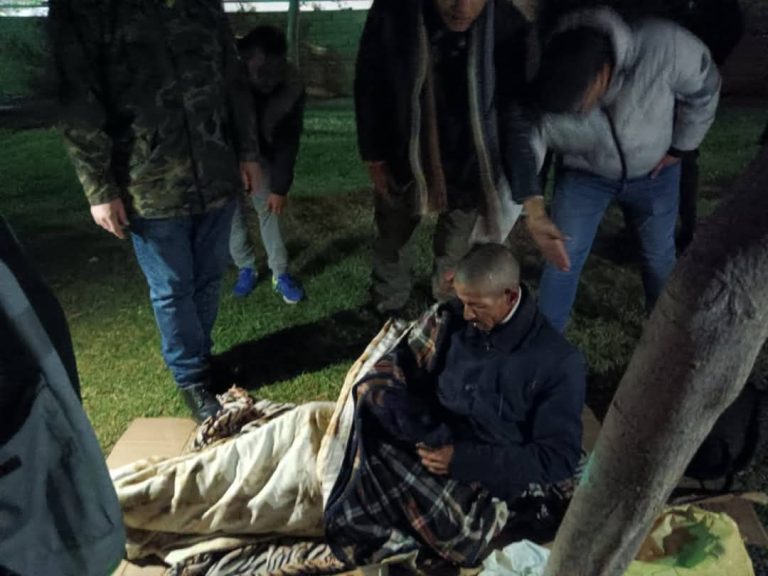
There is no disagreement that some public hospitals and health clinics, particularly in rural areas, have become meaningless and identity-less after being abandoned by medical and nursing staff and logistical resources, and have become havens for troublemakers and delinquents. For example, the rural health clinic of Ouled Azzouz in the Mezammaza South rural municipality in Settat, which is only a few kilometers from the city. Heba Press witnessed mothers carrying their young children on their backs heading towards Hassan II Hospital because their children were suffering from high fevers or needed urgent medical care. In other areas outside the Settat region, the same picture is repeated: closed clinics, disabled clinics, and others groaning under neglect, marginalization, and a severe shortage of human resources and medical equipment.
The responsible ministry and the question of accountability
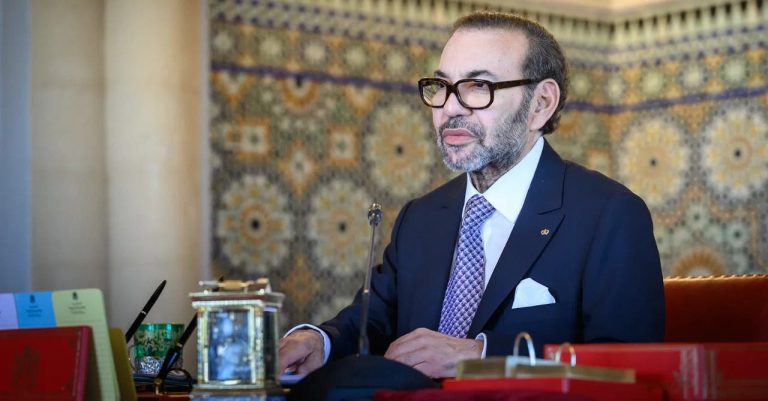
Yes, the Ministry of Health and Social Protection has launched a series of field visits covering cities, provinces, and regions to assess the health situation since September, in line with and in implementation of the Royal High Instructions to consolidate the concept of the social state and guarantee the citizen’s right to access healthcare.
Field visits headed by ministerial committees have addressed the health situation, and their reports have been submitted to the relevant authorities. The ordinary citizen hopes that the outcomes of these visits will translate into actions that will put an end to the tension that is building up in defense of the healthcare system and in condemnation of the deteriorating conditions of some public hospitals. At the same time, complaints from patients and their families are increasing concerning long waiting times, weak infrastructure, and the absence of certain medical staff from public service, while they are found working diligently in private clinics, leaving queues of patients and the injured waiting for relief.