HIBAPRESS – Ahmed Wazaroti
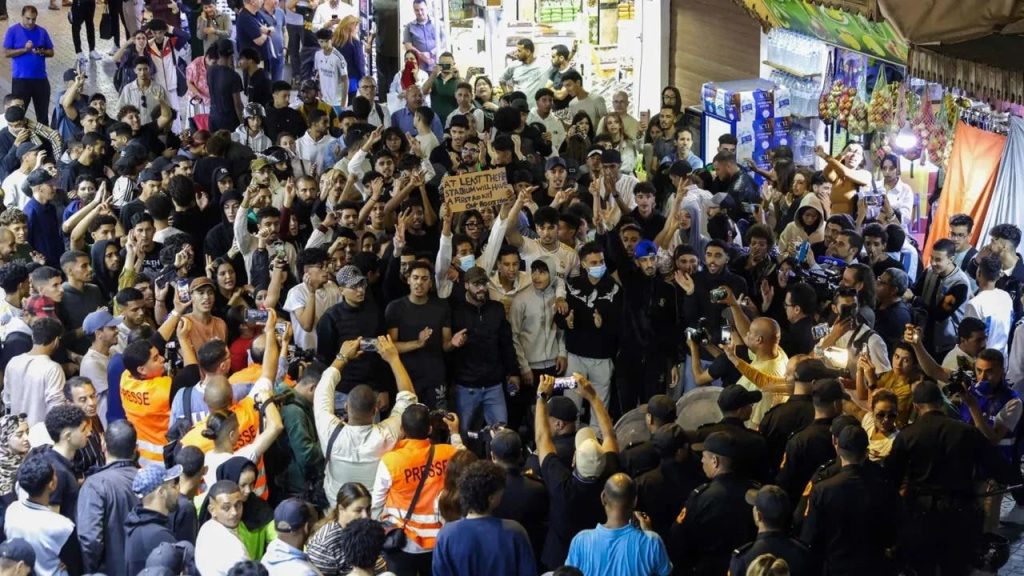
In an unprecedented development within the associative and political scene, the Souss region current, belonging to the "Generation Z" movement, announced its public rebellion against what it called the "external leadership," accusing it of attempting to impose an illegitimate guardianship over the movement and direct it to serve vague agendas that have nothing to do with the realistic demands of young Moroccans, especially in the Souss region.
The current's statement stated that the external leadership adopts a policy of making unilateral decisions without referring to the struggle bases within Morocco, considering that all initiatives and statements issued by it lack organizational legitimacy, and declaring them null and void in form and content. One of the activists of the Souss current stated that the so-called "leadership abroad" practices a soft dictatorship, hiding behind struggle slogans, while its reality indicates open attempts to ride on social and economic demands and turn them into a negotiating card that serves narrow interests and external goals. He pointed out that these parties do not suffice with manipulating the discourse, but also misuse the symbols of the youth movement, with the use of racist rhetoric against Amazigh and Souss activists, in an attempt to impose an intellectual and geographical guardianship that contradicts the principles of equality and pluralism. In this context, one political expert considered that these movements coming from abroad lack any real weight in the national scene, stressing that the best way to deal with youth demands is to frame them within legitimate national institutions, such as parties, unions, and civil society. He added that the external parties that are trying to monopolize the "Generation Z" discourse are working with the logic of circumstantial tools and lack transparency and credibility, pointing out that their destructive discourse is nothing more than a miserable attempt to distort the image of Morocco in international forums. The statement issued by the Souss current stressed that all these maneuvers will not deter the real activists from adhering to their legitimate demands, with a firm rejection of any external guardianship or ideological direction, stressing that the struggle must remain peaceful and responsible, and linked to realistic issues that affect the dignity of the citizen and the development of the region. The statement concluded by emphasizing the commitment to territorial unity and national sovereignty, and rejecting everything that would undermine the stability of the nation or distort the struggles of young Moroccans who are seeking dignity and social justice. This rebellion from within "Generation Z" represents a clear indicator of an increasing awareness among the movement's branches within Morocco, especially in the Souss region, of the need to confront any attempts to contain the youth movement or direct it towards agendas that conflict with the national interest. It also highlights the importance of maintaining the independence of the popular struggle within a framework that respects national sovereignty and the cultural and political pluralism of Moroccan society.