HIBAPRESS – A. Muhyawi
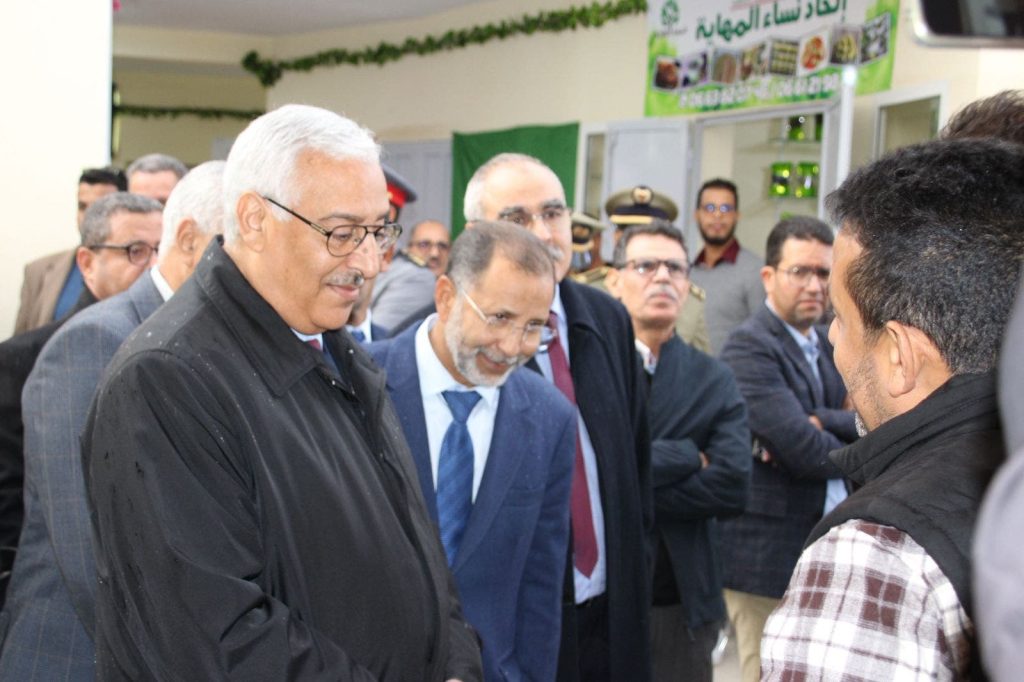
On the occasion of the celebration of the 70th anniversary of the Glorious Independence Day, the governor of Meknes Prefecture, on Monday, November 17, 2025, at three o'clock in the afternoon, along with an official delegation, inaugurated two development projects aimed at strengthening the infrastructure for youth and supporting the social and solidarity economy, within the framework of the National Initiative for Human Development programs.
The first event was the opening of a youth center in the municipality of Toulal, implemented within the program to boost human capital for the rising generations, with a total cost of 2.8 million dirhams, funded by the National Initiative for Human Development and in partnership with the Regional Directorate of the Ministry of Youth, Culture and Communication – Youth Sector. This center is a multi-functional space targeting more than 200 young men and women, providing educational, cultural and artistic services, and aims to develop the skills of young people, hone their talents and enhance their spirit of initiative, through workshops and training programs in various creative fields. Also, on the same occasion, an annex to the Meknassa Zitoun Youth Platform was inaugurated, which was equipped to provide proximity services in the field of supporting entrepreneurship, through reception, guidance and orientation for the youth of Toulal and Ain Aarma districts, in addition to supporting them in developing and implementing their projects. As for the second project, it falls within the efforts to strengthen the social and solidarity economy, where the "Fath Al-Zahr" market was opened for the sale and marketing of local products. This commercial space is built on an area of 1500 square meters and includes 86 shops, with a cost of about 3.7 million dirhams. This market represents a permanent platform for the bodies working in the field of the social and solidarity economy to display and market their products, which contributes to improving their incomes and improving their social and economic conditions, in response to a continuous demand from local actors.