HIBAPRESS
The United Nations Assistant Secretary-General, head of the UN Office of Counter-Terrorism, Alexander Zuyev, praised today in Rabat, the strong partnership with the Kingdom of Morocco in joint efforts to combat terrorism.
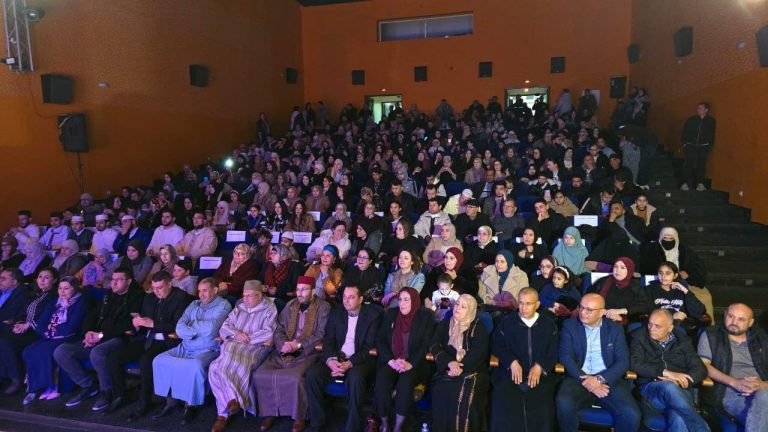
Speaking at the first international conference for African victims of terrorism, Zuyev commended Morocco's key role in organizing this conference, noting that this meeting represents an important stage in strengthening the joint commitment to support victims and survivors of this scourge that plagues the entire world. After calling for placing the rights, needs, and voices of victims and survivors at the heart of joint action against terrorism, the head of the UN Office of Counter-Terrorism praised their courage, resilience, and determination to call for concrete action and for peace. He added that "Africa has unfortunately become a center for terrorism, and African societies are today the primary victims of this global threat," explaining that violent attacks on the continent have increased by more than 250 percent in just two years, leading to the displacement of millions of people, especially in West Africa and the Sahel. He said that the parties aim through this conference to identify concrete measures to bridge the gaps in the field of legal protection, access to services, and long-term support for victims and survivors of terrorism on the continent, based on regional expertise and public-private solutions, as well as strengthening cooperation mechanisms for a sustainable, just, and adapted system to the reality of the victims. On this occasion, Zuyev praised the work being done by the United States to prepare the Rabat Declaration on supporting victims of terrorism from indigenous populations and drawing on best practices online. This event follows the UN Global Conference on Progress for Victims of Terrorism held in New York in 2022, and an international conference organized in Spain in 2024. It falls within the framework of the UN Global Counter-Terrorism Strategy, which recognizes that supporting victims of terrorism is not only a moral necessity but is also an integral part of effectively combating terrorism. Over two days, the discussions of the first conference for African victims of terrorism highlight the human cost of terrorism in Africa, and focus on evaluating legal, political, and institutional frameworks in addition to the support provided to the victims of this disaster.
(MAP)