HIBAPRESS
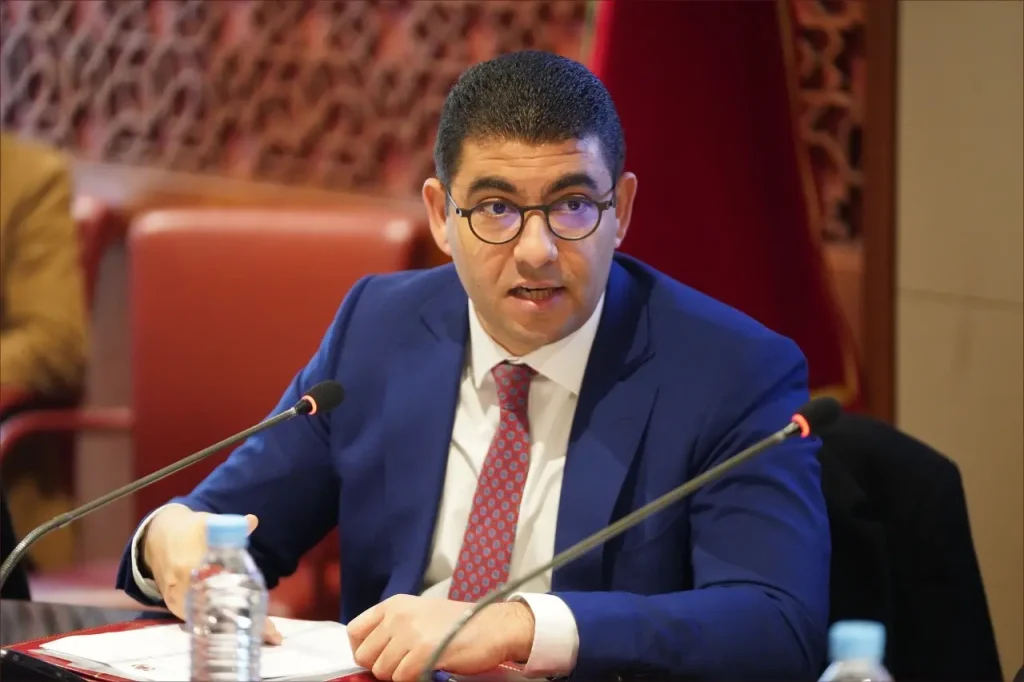
The Minister of Youth, Culture, and Communication, Mohamed Mehdi Bensaid, confirmed on Wednesday that achieving equality and parity is not just a rights or social demand, but rather a strategic choice and an indispensable development necessity.
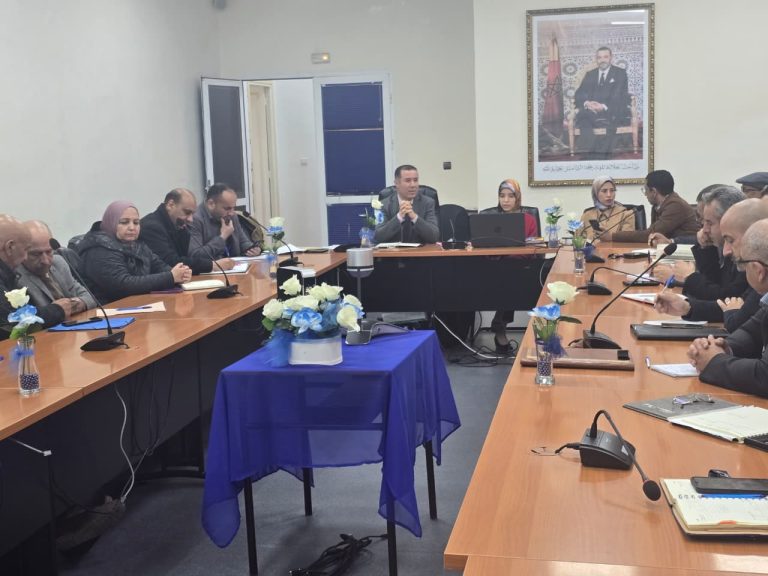
Bensaid explained, in a speech on the occasion of the opening of the second annual parliamentary forum on equality and parity, organized by the House of Representatives under the slogan "The Political Empowerment of Women as a Basic Lever for Achieving Development," that "no society can aspire to achieve sustainable and comprehensive development if it excludes or marginalizes half of its energies and capabilities," stressing that the participation of women in political decision-making, from parliaments to governments and local authorities, enriches the dialogue and ensures that public policies are more responsive to the needs of society in all its categories. The minister pointed out that the organization of this event under the high patronage of King Mohammed VI reflects his interest in the political participation of Moroccan women and their presence within institutions, reminding that this path began in 2002 with the allocation of 30 seats for women on an additional national list for the House of Representatives, after the election of the first two women in parliament during the 1993 elections. In the same context, he affirmed that the political empowerment of women constitutes a key to strengthening good governance and achieving social justice, "as the woman's point of view is often closer to societal issues that we live daily," noting that the political experience in Morocco has shown that women who practice political work have achieved significant results and left clear marks within the legislative or government institution, and in various elected institutions and political bodies. Regarding the efforts of the ministry, Bensaid highlighted that it is working to dismantle negative stereotypes about women in cultural, artistic and media production, and to celebrate successful female role models, in addition to strengthening the role of public media in spreading the culture of parity, raising awareness of the importance of women's political participation, investing in young female leaders, and supporting youth and women's associations, as well as providing mechanisms for framing and training to ensure that the rising generation of women is ready to assume positions of political responsibility. On the other hand, the minister considered that despite the progress made thanks to the high royal will, which was embodied in the legal and constitutional arsenal, the challenges still remain, especially with regard to the full and effective activation of legal mechanisms, resisting customs and behaviors that still hinder full participation, and ensuring equal opportunities in access to decision-making positions within political parties and elected bodies. In this context, he stressed the fundamental role of the media in achieving the political empowerment of women, as it is the link between political will and societal reality, stressing that the media bears the responsibility of transforming these principles into a political culture and daily practice in light of the constitutional commitment to the principle of parity, and overcoming the focus on celebratory aspects (such as March 8) to the continuous and in-depth coverage of the role of women in decision-making and legislation. It is worth noting that the organization of this forum comes as a consecration of the important gains that the Kingdom has achieved in the path of strengthening women's rights, and an endeavor by the legislative institution to follow up on the implementation of constitutional provisions in the field of women's political empowerment, and to institutionalize the parliamentary debate on equality and parity, and to open horizons for dialogue and public debate with all parties concerned with the subject of political empowerment, equality and parity. The forum will discuss three main axes, the first of which is dedicated to studying the foundations and approaches to the political empowerment of women and participation in decision-making, while the second raises intersecting visions on the subject with the participation of political and civil actors. As for the third axis, it will shed light on the political representation of women in the media in light of digital transformations, recalling the opportunities and challenges posed by the digital space to enhance the presence of women in public life.