HIBAPRESS – by: A. M.
Since the establishment of the Vigilance Committee under the direct supervision of His Majesty King Mohammed VI, may God protect him, this committee has become one of the main pillars for managing crises and monitoring economic and social conditions, especially in exceptional periods that require quick decisions and effective implementation.
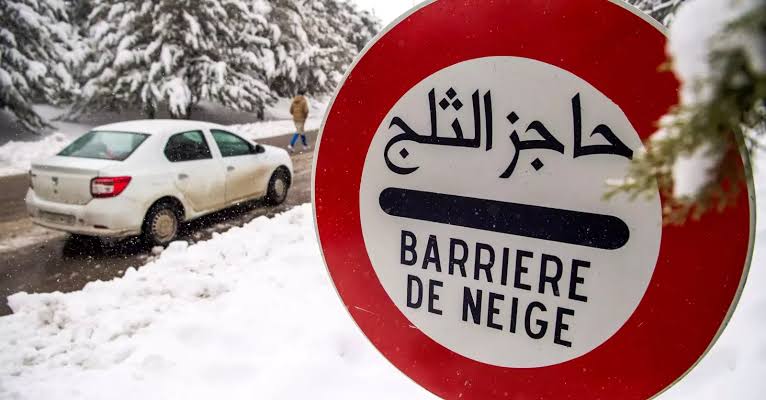
Workers and governors are a pivotal link within this system, as they are the territorial representatives of the central authority, and the first officials responsible for implementing the royal directives on the ground. Here, the public raises a legitimate question: Does the role of workers be limited to administrative management from within the offices, or does it extend to field presence and daily follow-up? From the logic of offices to the logic of the field. The royal directives were clear and explicit on more than one occasion: The authority is at the service of the citizen, and the administration is required to go to the field, get closer to the concerns of citizens, and follow up on social and economic projects and programs directly. Therefore, the role of the worker within the Vigilance Committee cannot be reduced to meetings or office reports only, but is embodied mainly in: Daily field follow-up of the supply and prices situation; Monitoring the implementation of social support programs; Direct coordination with external interests and elected officials; Rapid intervention to address imbalances; Ensuring that support reaches its beneficiaries without favoritism or delay. Strict implementation of royal instructions. The application of the instructions of His Majesty King Mohammed VI requires workers to adopt a policy of proximity, and to be keen on adhering to the spirit of responsibility and linking it to accountability. A successful worker is the one who makes the field his real office, and the citizen a partner in the evaluation. Experiences have proven that workers who have adopted continuous field monitoring have achieved tangible results in controlling markets, overcoming social constraints, and interacting positively with crises, unlike those who were content with administrative management far from reality. Responsibility is not a privilege, but an assignment. In light of the insightful royal vision, responsibility is no longer an administrative privilege, but a field assignment that requires seriousness, discipline, and continuous work. The Vigilance Committee is not a formal framework, but a practical mechanism that requires actual presence, permanent communication, and making decisions at the right time. The snow period… when the real role of the worker is tested. The greater and decisive role of the worker within the Vigilance Committee is manifested during periods of snowfall and road closures in the rugged mountainous areas, where entire villages are isolated from the outside world, and the lives of the residents, especially pregnant women, patients with kidney failure, those with chronic diseases, and the elderly, are put to the test. In such difficult moments, the worker has no choice but to sit in the offices or be content with reports, but the national and humanitarian duty imposes on him the immediate descent to the field, and the harnessing of all logistical and human means, from snow removal mechanisms, civil defense teams, auxiliary forces, and the Royal Gendarmerie, to ensure the opening of roads, and the delivery of food and medical aid, and the organization of emergency evacuation operations to hospitals. And here, precisely, the true metal of the official is revealed, and the extent of the worker’s commitment to implementing the high royal instructions that have consistently emphasized the protection of the citizen, the preservation of his dignity, and not leaving him alone in the face of the harshness of nature is measured. The worker who succeeds in managing this critical stage in the field proves that authority is not an administrative position, but a humanitarian responsibility and social security. The role of workers in the Vigilance Committee, as His Majesty King Mohammed VI wanted it, is a field role par excellence, based on follow-up, monitoring, and the strict implementation of royal directives, far from the logic of air-conditioned offices, and close to the pulse of the street and the expectations of citizens.