HIBAPRESS – Omar Razzini (Barcelona Office)
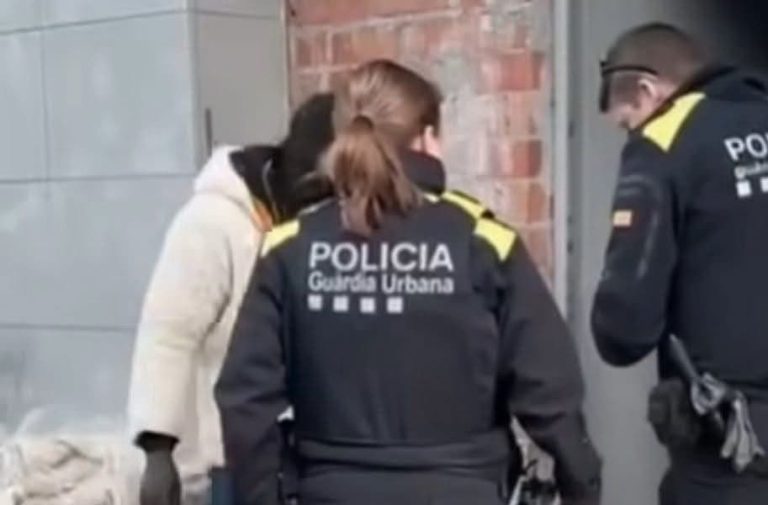
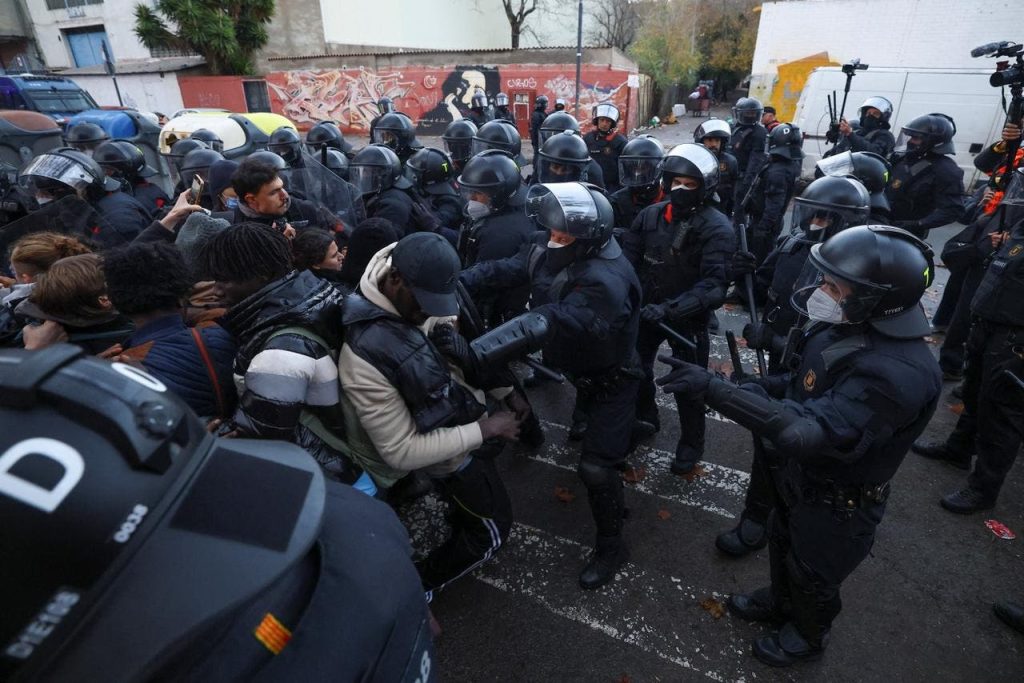
While opposing Spanish political parties announce their escalation against the decisions of the mayor of Badalona, which target immigrants, especially those living in conditions of extreme homelessness and vulnerability, a heavy and suspicious silence hangs over those who are supposed to be "spokespersons for the community" and "representatives of civil society." A silence that can only be interpreted as indirect complicity, blatant incompetence, or narrow self-interest that is prioritized over human dignity.
The decisions being made today in Badalona are not just fleeting administrative measures, but exclusionary policies that strike at the very heart of the simplest principles of human rights: the right to dignity, to protection, and to humane treatment without discrimination. And when political parties raise their voices in protest and announce escalation in defense of the most vulnerable groups, the urgent question becomes: Where are the community representatives? Where are the associations? Where are the statements? Where are the vigils?
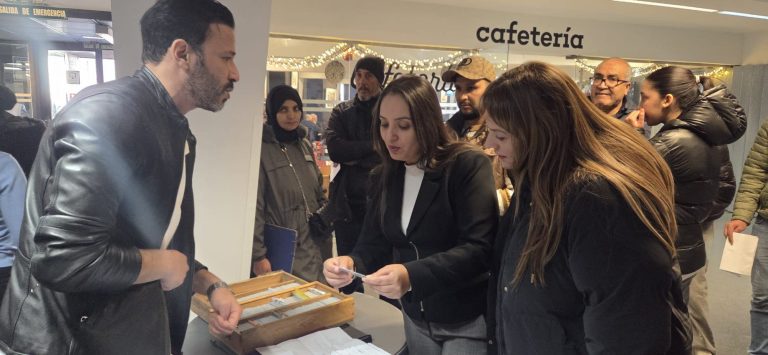
Silence in moments of injustice is not neutrality. Silence is bias. And silence here multiplies the pain, because it comes from those who claim to represent immigrants, and who take the lead on platforms when taking pictures, and then disappear when rights are violated and dignity is trampled. What moral legitimacy remains for a spokesperson for the community who is deaf to the moans of the homeless? What credibility does a mute civil society have when decisions are made that criminalize poverty and pursue vulnerability?
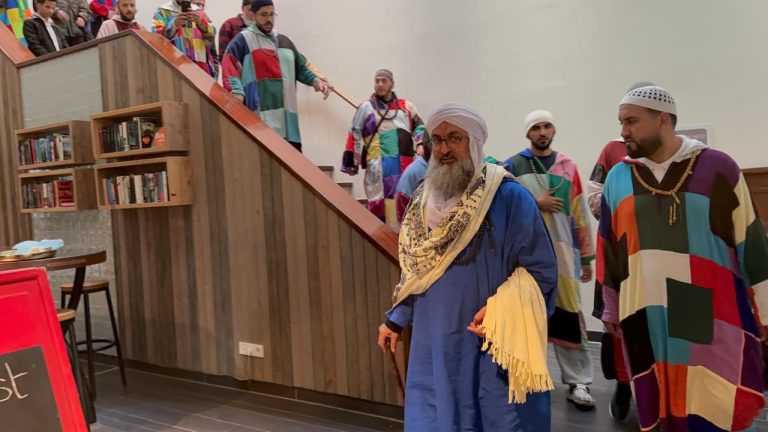
The community does not need silent mediators, nor flowery speeches given at festivals. The community needs courageous stances, and real representation that confronts authority when it deviates, and stands with the victims, not with narrow political calculations. It needs those who call things by their names: these are inhumane decisions, this is an unacceptable targeting, and this is a condemned silence.
History does not forgive spectators. And tomorrow, when the stances are recorded, those who escalated in defense of dignity will be remembered, as will be remembered—and with the same shame—those who chose deafness, muteness, and blindness. It is time to break the silence, and raise the voice high, because defending humanity is not an option, but a duty.