HIBAPRESS – Abdellatif Baraka
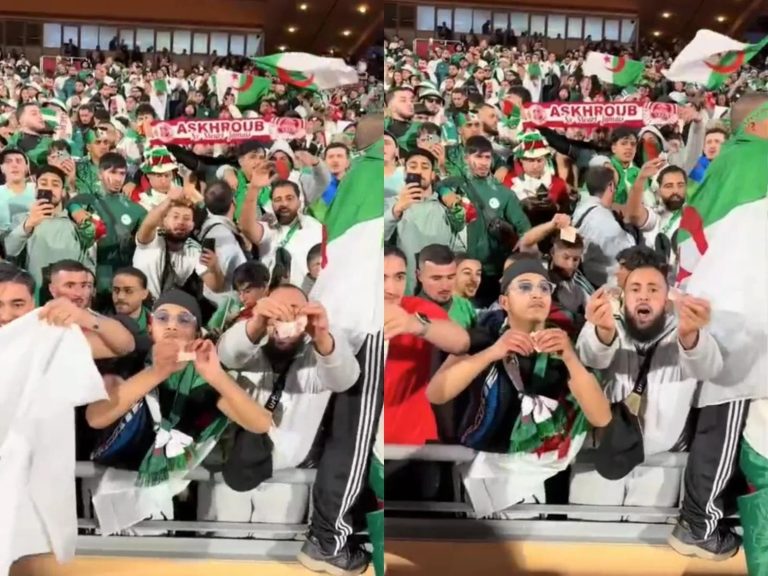
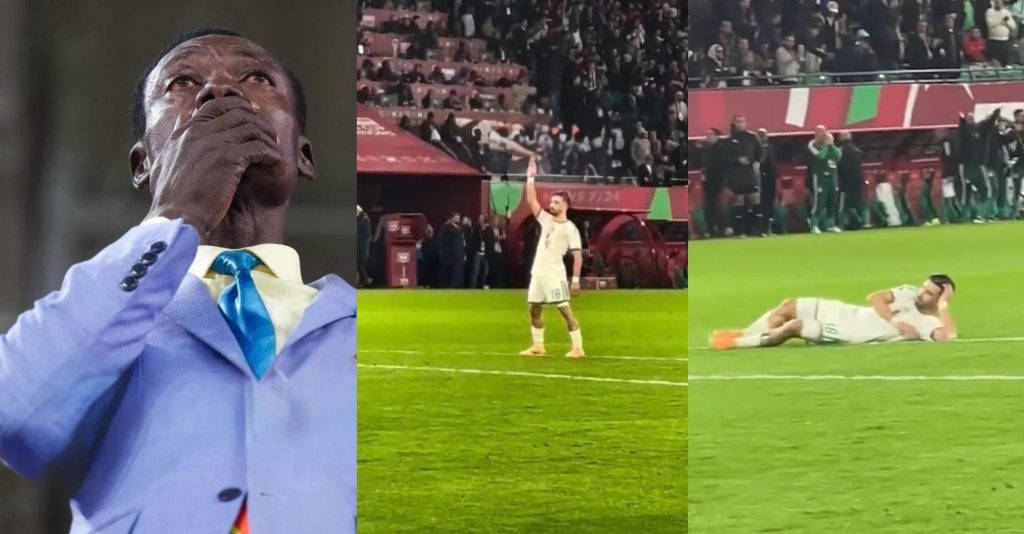
The scene of Mohamed El Amine Ammoura after the end of the match between Algeria and the Democratic Republic of Congo was not just a "slip-up by a nervous player," as some tried to justify it, but rather an intense scene of a deeper crisis experienced by the Algerian national team, including a values crisis, a lack of framing, and the absence of accountability within an institution that is supposed to represent a state, not a player who has lost control of his nerves.
To make fun of a fan is unacceptable behavior. But to make fun of a historical African symbol, even out of ignorance as the player claimed, then we are faced with a double failure: the player's failure to realize the weight of the jersey he wears, and the failure of the system that brought him to this level without instilling in him the minimum awareness and responsibility. The apology issued by Ammoura, filled with phrases like "I acted with the spirit of a child," did not save the situation as much as it exposed it, because the national team is not a playground for children, and whoever wears the colors of his country in the African Nations Cup does not have the luxury of "childhood" nor the excuse of ignorance, especially when it comes to African liberation symbols that the street knows before the players do. More dangerous than Ammoura's own behavior is the suspicious silence of the authorities in charge. Where is the technical staff? Where is the administration? Where is the Algerian Football Federation? How is an international player left to turn a moment of victory into a continental crisis that affects the image of an entire country, and then it is sufficient to apologize on "Instagram" as if it were a personal dispute and not offensive behavior in an official event? The major national teams are not only measured by the number of their goals, but by the way they win and lose, and by the behavior of their players inside and outside the field. What happened yesterday confirms that the Algerian national team is suffering from a clear framing void, where discipline is absent and individualism is present, and the national jersey is reduced to the whim of a player who does not know where his responsibility begins and where it ends. What happened should not be overlooked with an apology, but rather a real discussion should be opened about who chooses the players, who accompanies them psychologically and educationally, and who holds them accountable when they make mistakes. Because football is not just ninety minutes, but an image, a message, and respect for your opponent before respect for your audience. And until the Algerian football association understands this lesson, such "childhoods" will continue to repeat themselves, not because the players are bad, but because those who are supposed to be adults in managing them are still acting as if it does not concern them.