HIBAPRESS – Abdellatif Baraka
Social media platforms are no longer just spaces for getting to know each other or exchanging opinions, but in some aspects have turned into open arenas for practices that raise increasing societal concern, foremost among them is the growing phenomenon of brokering in what is known as "Fatiha marriage" and promoting polygamy outside legal channels. This situation called for urgent parliamentary intervention, which brought back to the forefront the discussion about protecting the institution of marriage from digital absurdity.
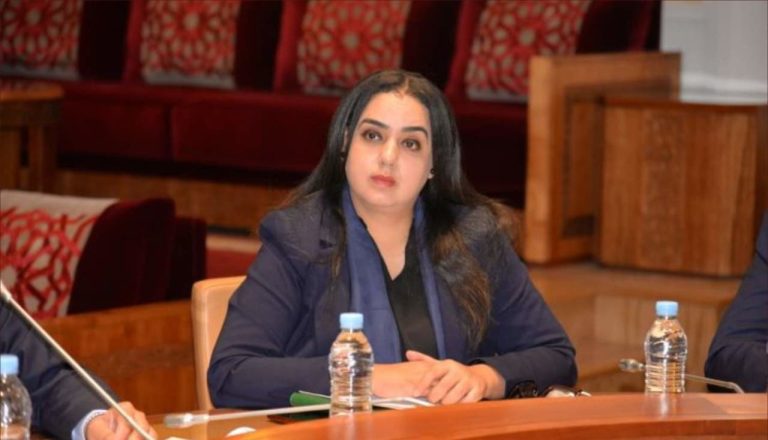
Within the parliament building, attention was drawn to what was described as "digital unrestraint" that affected one of the most sacred social bonds, after a noticeable spread of pages and accounts on social networks was observed, actively and openly mediating unregistered marriage contracts, or marketing services related to polygamy, without legal basis or institutional oversight. The data raised show that these pages are managed by intermediaries and brokers who offer "quick solutions" to those wishing to marry or practice polygamy, exploiting the vulnerability of some social groups, especially women in difficult situations, who find themselves facing glittering promises of stability or "protection", in the absence of any legal guarantees that protect rights and preserve dignity. More dangerous than that, according to observers, is the emergence of something like a "parallel digital market" for polygamy, where services are offered that include mediation, preparing files, and facilitating procedures, in a clear violation of the provisions of the Family Code, which subjected polygamy to strict conditions, and made it an exception subject to precise judicial oversight, its aim is to protect the wife and children and ensure family balance. This reality raises deep questions about the limits of digital freedom, and the state's responsibility to monitor content that affects the public family order, especially when marriage turns from a legitimate and legal charter into a "service" offered in digital advertisements, in which human relationships are measured by the logic of supply and demand. Those interested in legal and social affairs believe that the continuation of this situation without decisive intervention may open the door to serious violations, including the loss of the rights of women and children, and the spread of family conflicts, in addition to undermining the credibility of the judicial institutions tasked with regulating family affairs. The recent parliamentary move reflects, in essence, an official recognition of the seriousness of the phenomenon, and a clear call to the Ministry of Justice to clarify the measures taken to confront these practices, whether through activating legal follow-up against those involved, or by strengthening digital monitoring mechanisms, and intensifying awareness campaigns about the dangers of unregistered marriage. Between the speed of digital transformations and the slowness of legislation sometimes, the real challenge remains to find a balance that protects individual freedoms, without allowing the institution of marriage to be turned into a digital commodity, or leaving it prey to brokers who exploit need and emotion in a space that rarely recognizes the law.