HIBAPRESS – Ahmed Al-Masaad
Today, the city of Oujda faces a real challenge represented by the return of chaotic appearances and the occupation of public space, phenomena that the population welcomed with optimism when they diminished in a previous stage. After a period of "organizational firmness" that restored the city's traffic and aesthetic balance, the informal markets have returned, especially in the vicinity of "Melilla Market", "Znaqa Tayert", and the neighborhoods of "Si Lakhdar" and "Bouddir", imposing a reality that obstructs the flow of traffic and affects the aesthetics of the development pole of the Oriental region.
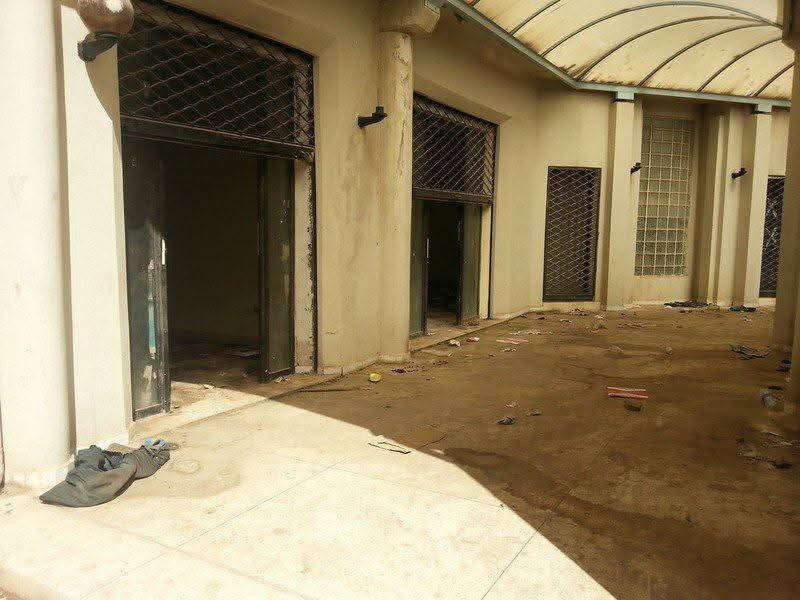
The essence of the crisis does not lie in the absence of infrastructure, but in the "stagnation" of model markets. While the streets are crowded with street vendors and "farrasha," hundreds of commercial stores inside the model markets remain closed or abandoned, in a paradox that reflects the lack of coordination between real estate management and field control. This situation raises pressing questions directed to M'hamed El Attaoui, the Wali of the Oriental region, the governor of the Oujda-Angad prefecture, about the roadmap adopted to restore the prestige of the law and protect public property from unregulated exploitation.
To resolve this file, it is no longer sufficient to settle for seasonal cleansing campaigns. It has become necessary to adopt a comprehensive approach based on activating inventory and statistical committees: establishing a specialized committee to conduct a precise and comprehensive inventory of all shops in the model markets, to determine their legal and actual status; updating the exploitation: reclaiming abandoned shops (due to death, immigration, or change of activity) and reallocating them to the benefit of vendors actually practicing in the public street; rehabilitating the "covered market": addressing the situation of the underground floor of the covered market, which has turned from a promising commercial space into a black spot, and preparing it to be a decent environment befitting the dignity of the merchant and the shopper; achieving fiscal and competitive justice: the merchant cannot be obliged to the legal and tax system while finding himself in unequal competition with chaotic areas that practice their activity outside the organized frameworks under the pretext of "social status".
The bet today in Oujda goes beyond simply clearing a sidewalk or street; it is a bet on institutionalizing commercial activity and ensuring the sustainability of public order. The residents and economic actors are awaiting decisive decisions that restore the model markets to their role as a catalyst for local development, and end the state of "normalization" with chaos, in order to preserve the city's status and guarantee the citizen's right to an organized urban space.