HIBAPRESS – Kenitra
The Municipal Council of the city of Kenitra held an extraordinary session yesterday, Monday, January 26th, which was devoted to deliberation and approval of a set of points included in its agenda, mainly concerning projects related to infrastructure, urban rehabilitation, and the delegated management of a number of facilities and communal services.
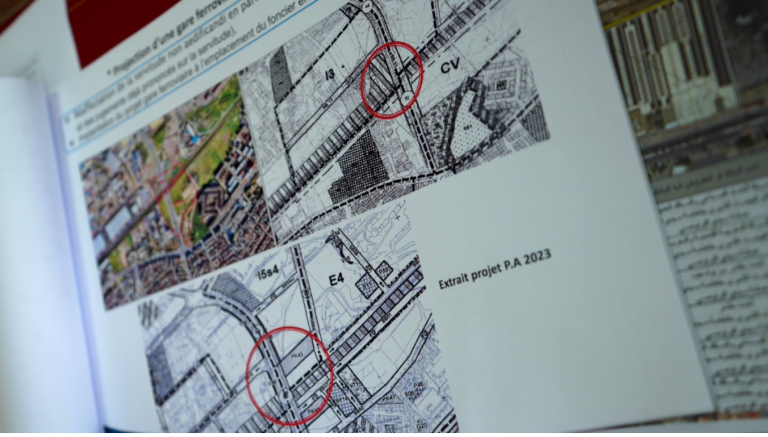
In this context, the Council approved the reprogramming of the project related to the establishment of an underpass at the entrance to the city of Kenitra, where it was decided to transform it into a road corridor project, in a step aimed at improving traffic flow and adapting the project to the current technical and practical data. The study and vote on Addendum No. 1 to the delegated supervision agreement on projects related to the urban rehabilitation of the city of Kenitra were also completed, following the letter of Mr. the Governor of Kenitra Province No. 228 dated January 9, 2026, within the framework of adapting the agreement with the administrative and organizational guidelines in force. The session also witnessed the approval of the delegated management contract and the specifications for the sweeping service and the collection of household and similar waste in the residential area, concluded with the company "Arma" (ARMA), with the aim of improving the quality of sanitation services and upgrading the environmental landscape in the region. In the same context, the Council approved the agreement related to the delegated management of the communal slaughterhouse in the city of Kenitra with the company E.VIANDE, with the aim of enhancing the governance of this vital facility, and improving the conditions of health safety and the quality of services provided. These approvals fall within the dynamics that the Municipal Council is experiencing, which aims to strengthen the infrastructure, develop communal facilities, and improve the level of services provided to the residents of the city of Kenitra, within the framework of a participatory and management approach that meets the expectations of citizens. Despite the approval of the various points listed, the session's work witnessed a heated debate, against the backdrop of criticisms expressed by the opposition parties, especially the Justice and Development Party, which recorded its reservations on a number of points, expressing its rejection of some of the proposed choices. The ruling majority, in return, considered that these positions did not contribute to pushing the work of the session forward, stressing that the passage of the points falls within the framework of prioritizing the interest of the residents and the city, and ensuring the continuity of vital facilities and services, far from any narrow political calculations. Activities from the residents and components of civil society praised the role played by the head of the Municipal Council, Munia Harrouzi, considering that her method of management has given new life to the work of the council since she took over the presidency. These activities highlighted that the head of the council chose field work and serving the public interest away from the logic of protocol, relying on competence, experience and daily follow-up of files, which, according to their expression, was reflected in a new dynamic in managing local affairs, and restoring citizens' confidence in collective work. In a related context, the human rights activist and community activist in the Kenitra region, Karim Abdel Latif, directed harsh criticism to one of the parliamentarians of the region belonging to a party from the opposition parties in the Municipal Council, because of what he called "transgression" and "offense" to the work of the governor of the region. He explained that he was surprised by the criticisms directed at the governor, who, since his appointment to the position, has been keen to inspect all the communities of the Kenitra region, and resume the construction and construction of a group of projects that had been suspended in recent years.