HIBAPRESS – Abdelatif Baraka
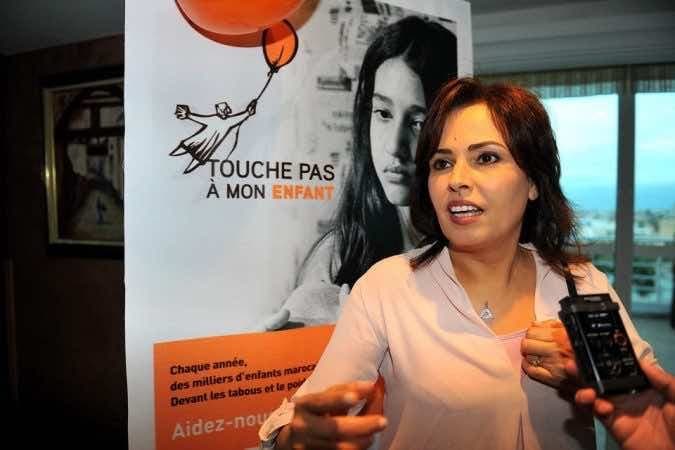
The Maa Tqich Waladi organization welcomed the House of Representatives' approval of draft law No. 29.24 regarding the establishment of the National Agency for Child Protection, considering this legislative step a pivotal milestone in the process of strengthening the child protection system in Morocco, and an institutional response to an urgent need that human rights and civil society activists have long called for.
The new legal text establishes a unified institutional framework for managing and coordinating child protection interventions at the national level, through the establishment of a national agency with legal personality and financial independence, which is entrusted with the tasks of monitoring the conditions of children in vulnerable situations, overseeing child protection centers, as well as accompanying and monitoring private social care institutions for children according to unified standards.
The law also defines the agency's specializations in the areas of preventing risks that threaten childhood, protecting against various forms of violence, neglect, and exploitation, in addition to contributing to the social reintegration of children, and enhancing coordination between the concerned governmental sectors, the judicial and territorial authorities, and other actors in the field of child protection.
In this context, the “Maa Tqich Waladi” organization noted that the draft law sets the general framework for the agency’s specializations and governance, with the referral of a number of organizational and implementation aspects to subsequent regulatory texts, especially those related to practical application mechanisms, coordination, and monitoring and follow-up.
At the end of its statement, the organization affirmed that the success of this reform workshop remains dependent on the speed and clarity of issuing the expected regulatory texts, ensuring the actual independence of the agency, providing sufficient human and financial resources, as well as the genuine and effective involvement of civil society and specialized field actors, in a way that ensures a sound and effective implementation of the law's contents, and serves the best interest of the child.