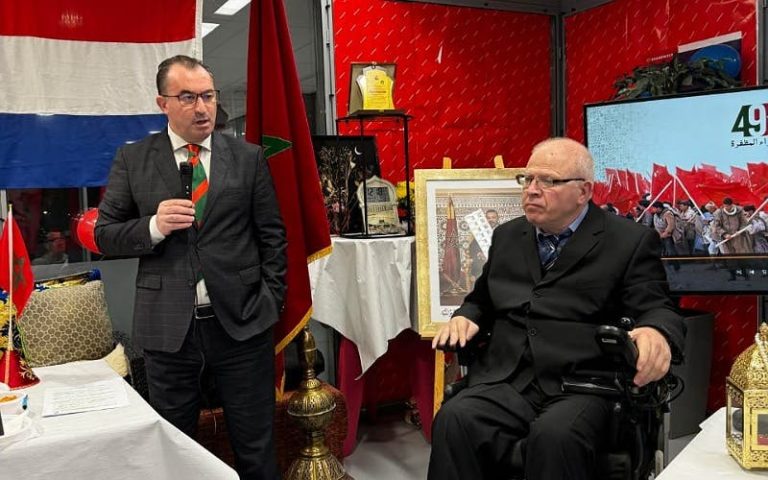
HIBAPRESS – Tarik Abla (Amsterdam)
"Who disappears when we are silent?" This is the title of the intellectual and humanitarian meeting organized by the famous Moroccan-Dutch Friendship Association "Assadaakacommunity," which was dedicated to raising questions of memory, recalling Jewish history in the city, and opening a calm discussion about coexistence within the multicultural Dutch society, especially between Jews, Moroccans, and Muslims.
The meeting encapsulated a new concept, which is that silence can lead to the disappearance of stories and memory, and that talking about them remains a collective responsibility. This evening, which lasted from seven to nine-thirty at night, was a moment to reflect on the past and a chance to open a responsible discussion about the present and the future, in a city that is accustomed to combining memory and plurality.
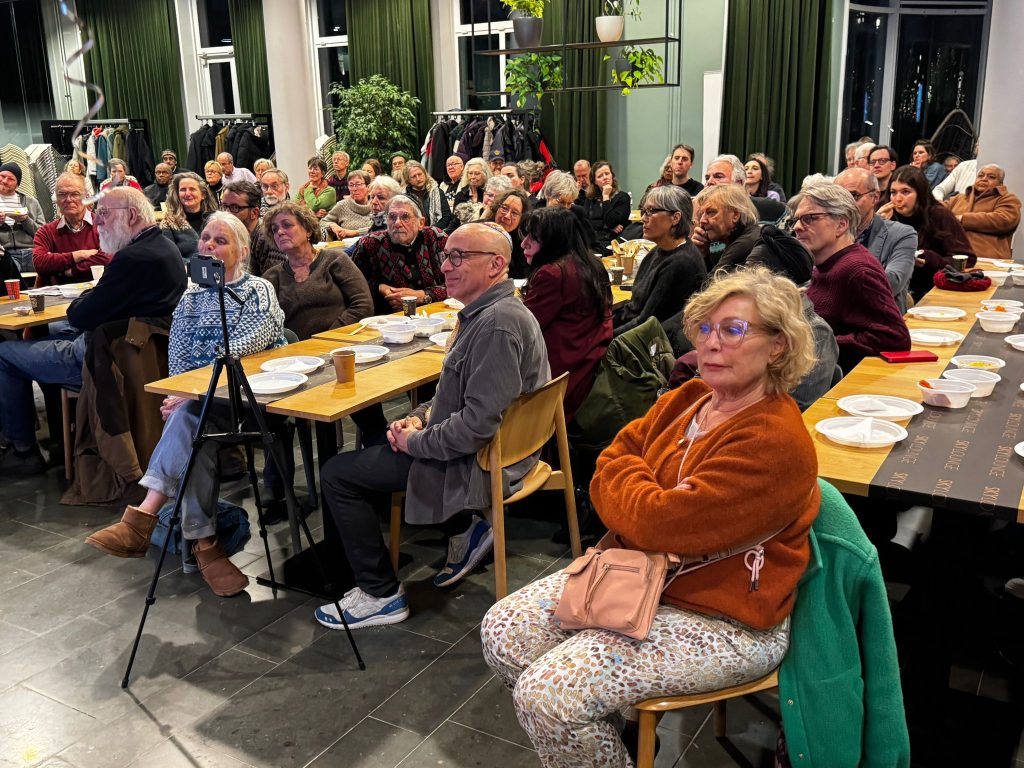
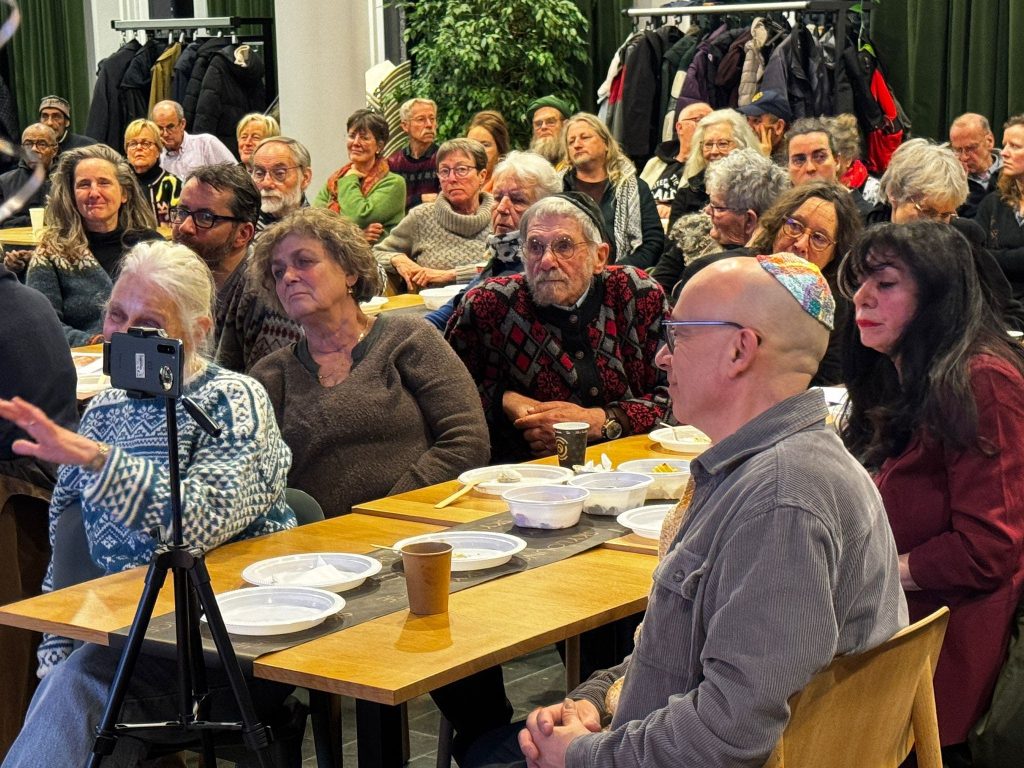
The meeting was an opportunity to recall the memories of peaceful coexistence that characterized the relationship between Jews from all over the world with the Moroccan community. The prominent presence of community activists and those interested in cultural and historical affairs was the prominent feature that dominated the proceedings of this intellectual meeting, which aims to bring viewpoints closer and exchange experiences.
Most of the interventions focused on the chronology of Jewish memory, which had its cradle in East Amsterdam since 1875, with a review of the features of the social and religious life of the Jews, places of worship, and some spaces that hosted their daily activities, which formed part of the memory of the neighborhood and its urban and human development.
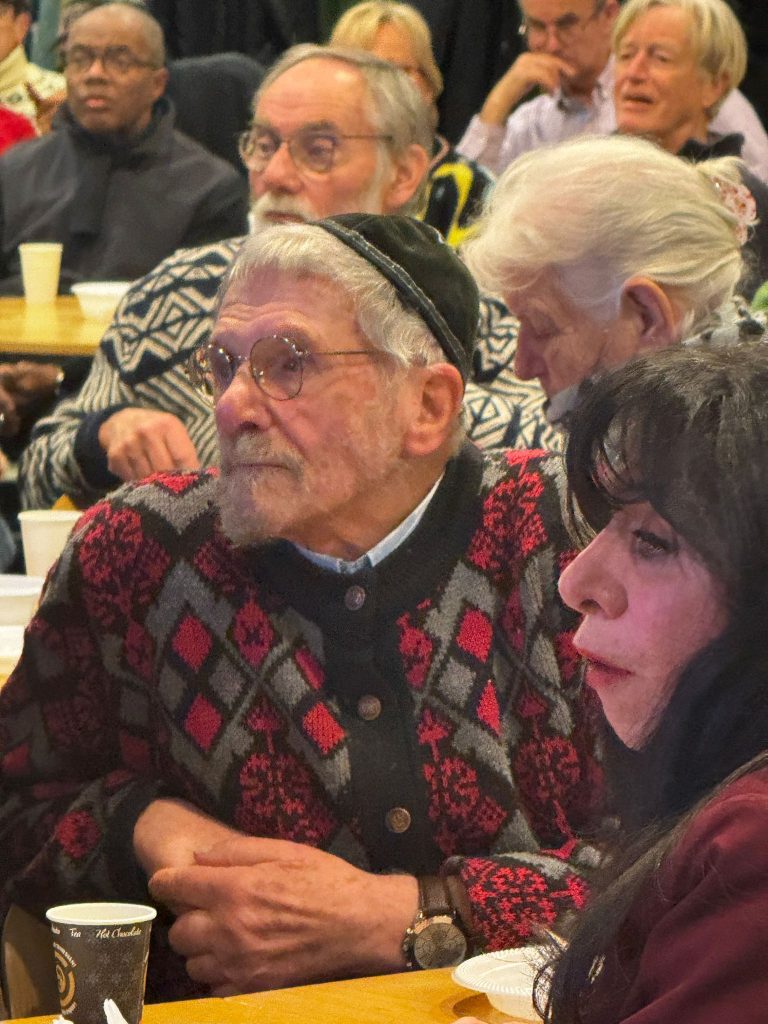
During the activities of this intellectual meeting, the attendees were at an appointment to delve into the memory of the events of the Second World War in its relation to what the Jewish community experienced during that period, and the deep humanitarian effects it left behind, with an emphasis on the importance of transmitting this memory away from oblivion or reduction.
The testimonies were present, telling painful stories from a past that the grandchildren, fathers, and grandfathers who lived in those periods or carried their traces in their memories continued to pass on, and these are the personal narratives that restored history to its human dimension and showed how memory is transmitted from one generation to another through narration and the word.
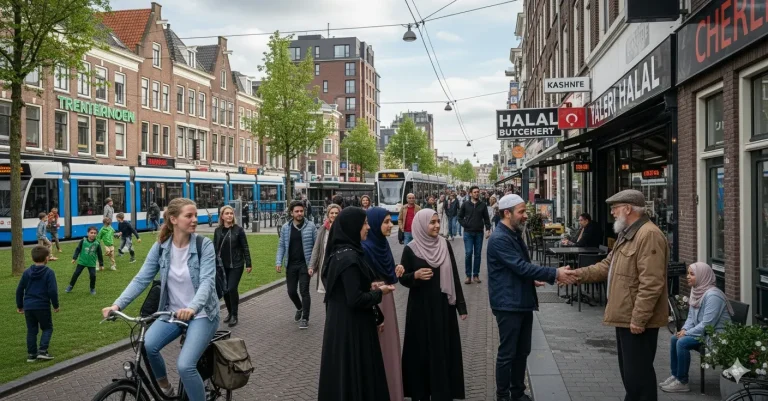
The meeting was also an opportunity to dismantle the relationship between Jews, Moroccans, and Muslims in Amsterdam, where models of daily coexistence were discussed, the human intersection within neighborhoods, and the importance of dialogue and mutual respect in building a cohesive society that sees difference as a source of richness, not a reason for separation.
HIBAPRESS from the heart of Amsterdam, followed the activities of this intellectual meeting and prepared the following report: