HIBAPRESS – Ahmed Al-Musaed
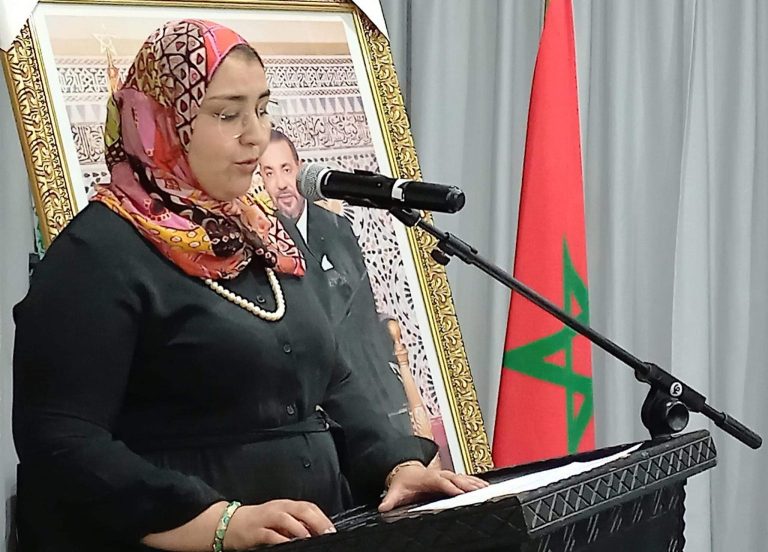
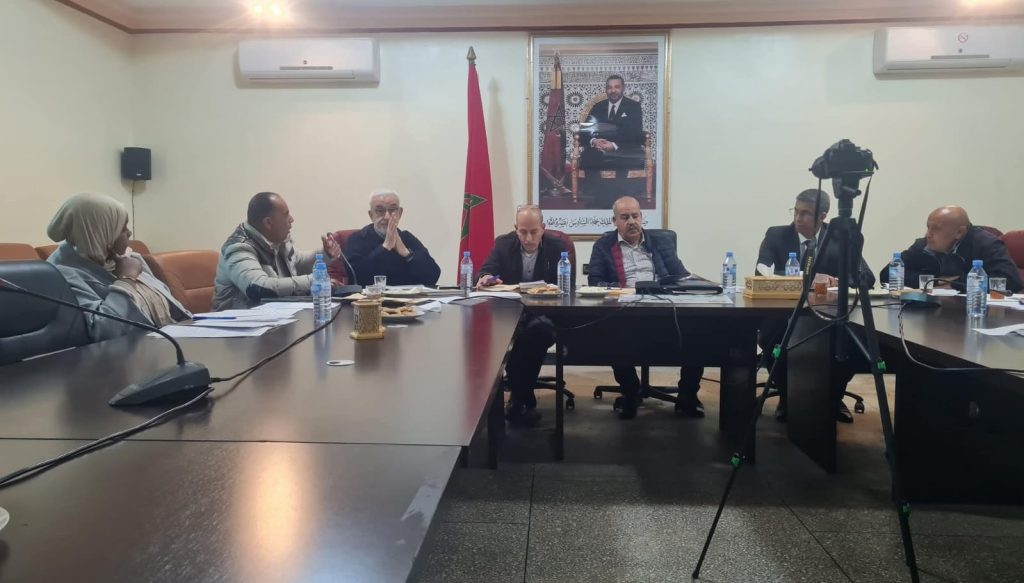
The Municipal Council of Figuig held its first ordinary session for the year 2026 on Friday, February 13th. This session saw the approval of a package of major development projects funded by last year's surplus, at a time when criticisms from civil and human rights activists are increasing regarding the "blockade" and the impact of political conflicts on the interests of the residents.
The council announced the approval of the programming of the financial surplus achieved for the year 2025, which amounted to 9.2 million dirhams (more than 921 million centimes). This budget was distributed across vital sectors, including Urban Rehabilitation: The lion's share was allocated to the rehabilitation of roads and alleys, the repair of the public lighting network, and the expansion of liquid sanitation channels; Services and Environment: The acquisition of machinery and containers for waste collection, in addition to an electrical transformer for the slaughterhouse and the weekly market; Oasis and Scientific Development: Approval of an agreement with Mohammed I University in Oujda to manage an experimental station and a nearby laboratory in the Figuig oasis, as well as an appendix to an agreement with "ANDZOA" to improve the landscapes of the oasis; Facilities and Services: Construction of a communal hotel and strengthening local health services.
In contrast, and in conjunction with these developments, the Moroccan Human Rights Organization (Figuig branch) issued a statement to public opinion in which it expressed its "great concern" regarding the state of division and internal conflict that the council is experiencing.
The statement indicated that the disagreement over joining the "Regional Multi-Service Company" (according to Law 83.21) led to a wave of resignations and boycotts of sessions, which caused the "freezing of a number of development and social files" in a city that already suffers from fragility and marginalization.
While the council seeks to market these projects as a strong boost to local development, human rights activists are questioning the extent to which this "paper programming" can be implemented on the ground in a charged political climate. The human rights organization demanded that the competent authorities activate their legal powers to protect public facilities, calling on the residents to "be aware" as the end of the current mandate approaches.
The biggest challenge facing local affairs managers in the city of Figuig remains transforming these budgets into a tangible reality that ends the state of "congestion" and achieves the aspirations of the oasis residents who are watching the scene with great caution.