HIBAPRESS – Mohammed El Herouali
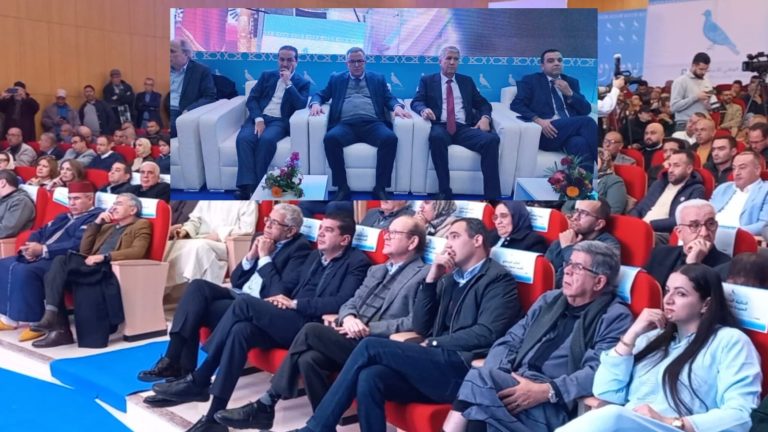
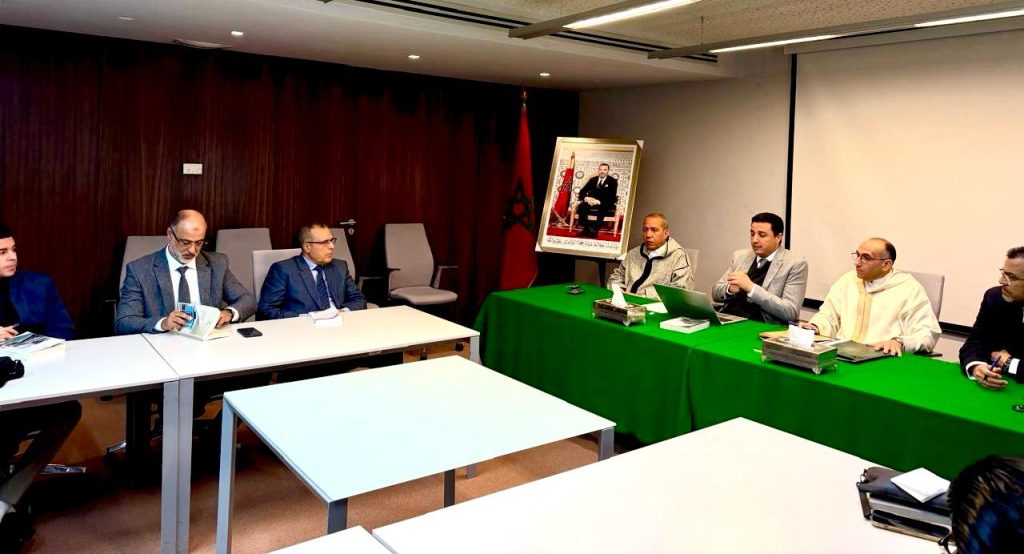
As part of its annual continuous training program for the year 2026, the Marrakech Court of Appeal organized, on Wednesday, March 04, 2026, a specialized training session entitled: "Direct Complaint in Light of the New Criminal Procedure Law… A Reading of the Developments and the Problem of Application," with the presence of judges and advisors from the appeals circuit.
This initiative falls within the training dynamic supervised by the court's presidency, within the framework of the vision led by Mr. Mustafa Ait El Haloui, the First President of the Marrakech Court of Appeal, which aims to make continuous training a strategic mechanism for developing judicial performance, unifying visions and jurisprudence, and enhancing judicial efficiency at the level of the various components of the appeals circuit. The opening of the session was supervised by Professor Mohamed El Amine El Jabri, the Deputy First President of the Marrakech Court of Appeal and in charge of training. In his opening speech, he emphasized that this year's training program is in line with the general orientations of the judicial authority, which are based on supporting specialization, unifying judicial jurisprudence, and keeping pace with legislative and jurisprudential developments, highlighting the positive impact of training on improving judgments and strengthening judicial security. As for the scientific framework, it was undertaken by Professor Youssef Errahmouni, a judge at the Court of First Instance in Marrakech, who presented a detailed presentation in which he addressed the legal framework governing the direct complaint under the new amendments to the Criminal Procedure Law, highlighting the most prominent developments that concerned the conditions of acceptance, the scope of the crimes concerned, and the limits of the intervention of the Public Prosecution, in addition to the practical problems related to the judicial implementation of these provisions. The meeting was an opportunity for a responsible scientific discussion between the present judges, during which practical experiences were exchanged and a number of application cases that may raise difficulties at the investigation or trial level were reviewed, with a view to developing unified approaches that enhance the harmony of judicial work and the consecration of the proper application of the law. The organization of this session confirms the continued involvement of the Marrakech Court of Appeal in consolidating the culture of sustainable training, as a basic lever for modernizing the justice system and ensuring the quality of judicial services provided to litigants.