HIBAPRESS – Tangier
Videos widely circulated on Facebook have ignited a wave of anger among social media users, after followers considered the content to be offensive to public decency and incompatible with the moral values of Moroccan society, in addition to tarnishing the image of the city of Tangier.
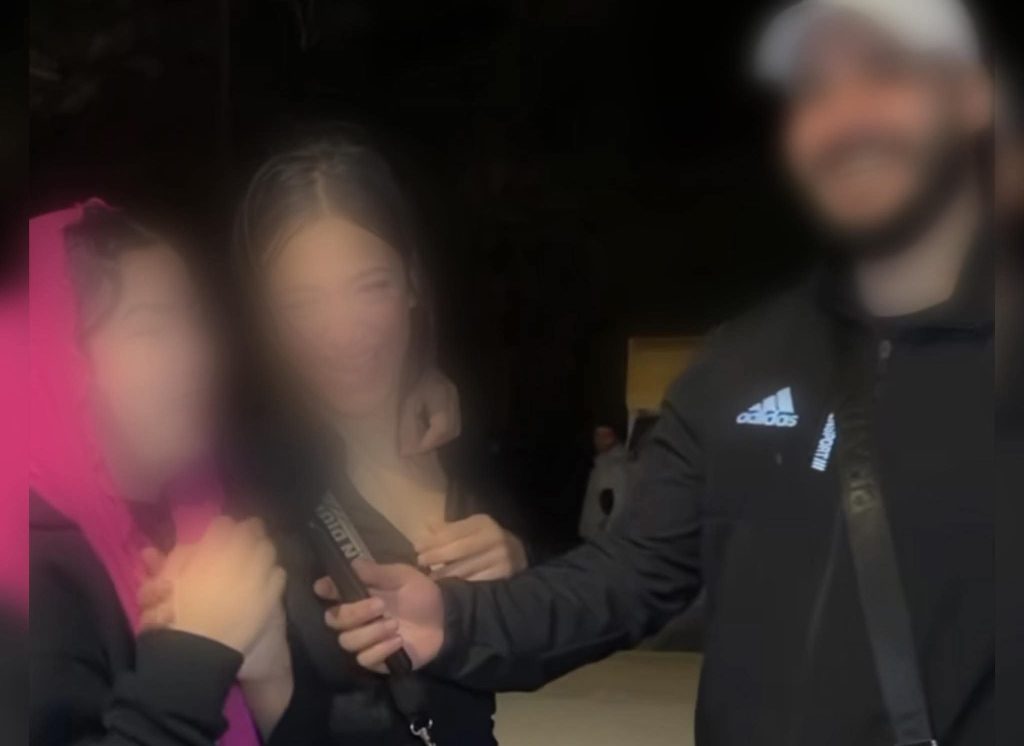
The details of the case go back to the owner of a page on social media, who presents himself as a digital content creator, who used to publish short clips documenting spontaneous encounters with girls in the public street, interspersed with questions and phrases that followers described as "inappropriate", considering that they exceed the limits of respect and public taste. This type of content sparked a wide discussion about the limits of freedom of expression and the moral responsibility of content creators, especially in light of the rapid spread of such videos and their reach to different age groups, including minors, which increases the intensity of the criticisms directed at this behavior. Followers believe that photographing people in public spaces, without regard for their privacy or obtaining their explicit consent, raises clear legal problems, especially when it comes to broadcasting their images via digital platforms open to the public. They also pointed out that the laws in force include provisions that criminalize the public breach of modesty and the publication of content that violates public morals. In a related context, a number of activists demanded the need for the competent public prosecutor's office to intervene to open an investigation into the matter, in order to verify the nature of the acts committed and to arrange legal responsibilities when necessary, stressing that protecting societal values and preserving the dignity of individuals is a shared responsibility. The ongoing controversy also brought to the forefront the issue of regulating photography in public spaces, especially when it comes to conducting interviews or filming people and broadcasting their images on the Internet, which is subject to specific legal and regulatory controls that require respect and adherence. The question remains: To what extent can the freedom of digital content creation extend without colliding with the boundaries of law and the ethics of society?