HIBAPRESS – Rabat
Amidst the fluctuations in global energy markets following the outbreak of the war in Iran and the accompanying fears regarding the disruption of international supply chains and a potential rise in oil prices, data indicates that the Kingdom's fuel reserves are sufficient to cover the market's needs for approximately 30 days.
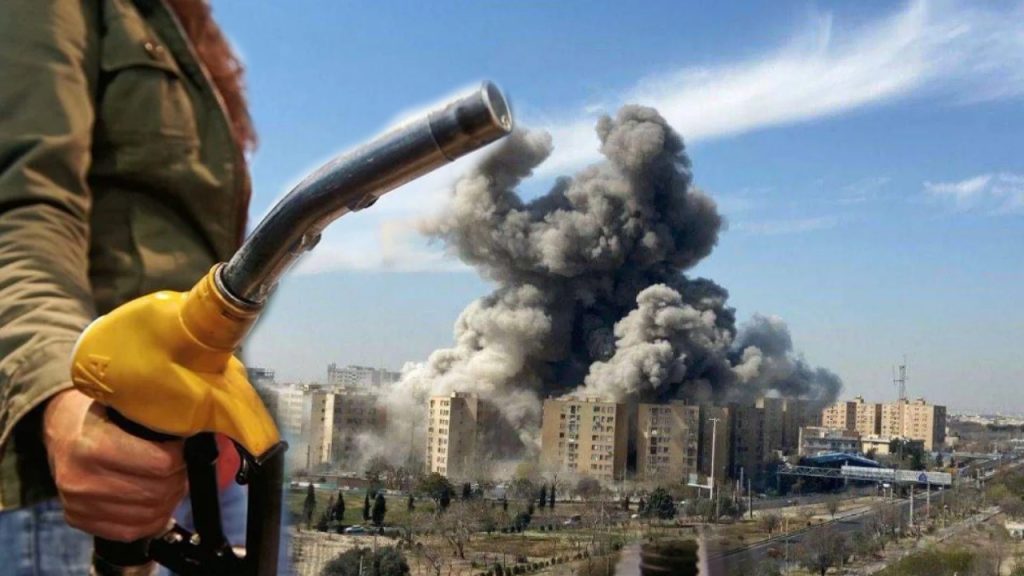
The war in Iran affects fuel prices globally
The repercussions of the Israeli-American war on Iran have not been confined to the military field or fluctuations in oil prices within financial markets, but rather quickly reflected on fuel prices at distribution stations in a number of countries around the world.
Several countries, especially those dependent on energy imports in Europe, Asia, and Africa, have begun to record direct increases in fuel prices as geopolitical tensions in the Middle East escalate.
In Europe, fuel prices in Spain rose to their highest levels in eight months, recording an increase of nearly 1 percent compared to last week. In France, the price of gasoline exceeded the threshold of 1.7 euros per liter, the highest level recorded in about a year, while Belgium also witnessed a similar increase after the price of gasoline exceeded 1.9 euros per liter.
These increases extended to the Asian continent, where several countries revised fuel prices upwards, given the heavy reliance of major economies such as China, India, Japan, and South Korea on oil imports from the Middle East.
In Africa as well, increases in fuel prices were recorded at distribution stations in Kenya and South Africa, while Egypt is expected to raise the price of gasoline within the framework of the automatic pricing mechanism, to exceed 19.25 pounds per liter, the price adopted since October 2025.
Comfortable national stock
On the national level, identical sources indicate that the Kingdom's fuel reserves are sufficient to cover the market's needs for approximately 30 days, which reinforces the state of comfort regarding the stability of supply.
In this context, the Ministry of Energy Transition and Sustainable Development confirmed that it continues to monitor the situation of national reserves daily and accurately, ensuring the security of national needs in the best conditions, while following the developments of energy supply chains in light of regional and international developments.
الفينة: The impact on Morocco depends on the duration of the war
In an economic reading of these developments, economic expert Idriss Tahraoui confirmed that Morocco, as a non-oil and gas producing country, is naturally exposed to being affected by the fluctuations in global energy markets, especially in the event of disruption of supply chains or a rise in international prices.
However, he explained that the extent of the impact will remain linked to the duration of the geopolitical crisis, indicating that its repercussions may remain limited if the crisis in the Strait of Hormuz is overcome within a period ranging from two to four weeks.
In contrast, Tahraoui warned that the continuation of the military confrontation for a longer period could lead to more severe repercussions on energy markets and global trade. He explained that the duration of military operations will remain the decisive factor in determining whether the effects will remain temporary and limited, or will turn into a wider wave of increases in fuel prices and related goods around the world.