HIBAPRESS
Secrecy born of fear surrounds the name of the new Iranian Supreme Leader, who was chosen on Sunday by the Iranian top leadership, according to statements from a number of officials.
The Iranian Assembly of Experts reached an agreement on Sunday to choose a new leader for the Republic to succeed Ali Khamenei, who was killed on the first day of the American-Israeli attack on Iran on February 28, according to members of the Assembly, but his name has not yet been announced.
Member of the Assembly of Experts Ahmed Alam al-Hoda said: "The vote was held to choose the Supreme Leader, and the Supreme Leader was chosen," according to what the Mehr News Agency reported.
He added that "the secretariat of the Assembly will announce the name later."
The absence of Khamenei's son raises questions.
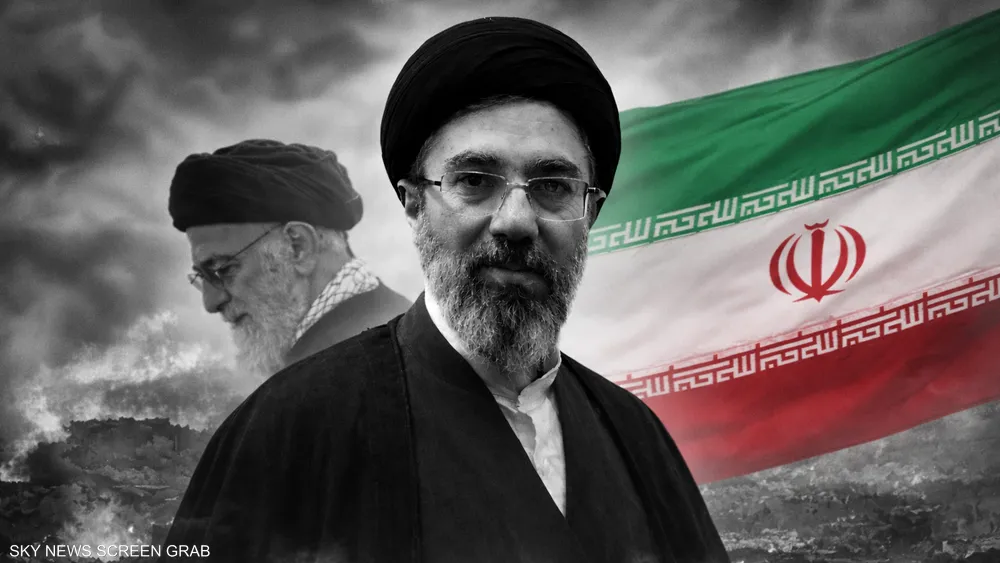
A week after the Israeli strike that killed Iranian Supreme Leader Ali Khamenei and a number of his family members, the fate of his son Mojtaba Khamenei, who is considered the most prominent candidate to succeed his father, is shrouded in mystery.
According to media reports, Ali Khamenei was killed in the first strike of an Israeli military operation that targeted his office complex in Tehran, and the strike also resulted in the killing of Mojtaba Khamenei's wife, son, and mother.
Despite reports circulating about the possibility of Mojtaba Khamenei being chosen as the new Supreme Leader of Iran by the Assembly of Experts, the religious body consisting of 88 members and constitutionally authorized to appoint the Supreme Leader, the man has not appeared publicly so far, nor has any statement been issued by him or by the Iranian authorities.
Iranian fear and concealment of the announcement.
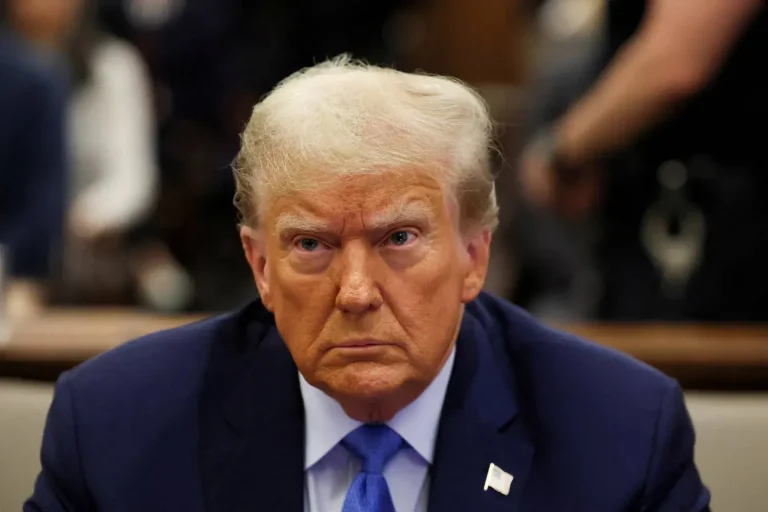
According to Western reports, this ambiguity comes amidst fears that Mojtaba Khamenei could become a potential target for Israel, especially after statements by US President Donald Trump, in which he considered that the choice of the late Supreme Leader's son to lead Iran would be an "unacceptable" step.
Reports indicate that Mojtaba Khamenei survived the strike that killed his father, but the complex that includes the Supreme Leader's office in Tehran was later subjected to a new attack by Israeli warplanes, which was said to have targeted the destruction of a fortified underground shelter after intelligence information about the presence of a prominent Iranian figure inside.
Israeli news sites confirmed that Mojtaba would be a clear target for the Israeli army as soon as he is announced as the Supreme Leader of the country.
Apart from Mojtaba.. Who is a candidate for the position?
The first option:
Mojtaba Khamenei is not the only "relative of the Iranian Supreme Leader" who may take over the leadership of the regime, as there is Hassan Khomeini, the grandson of Ruhollah Khomeini, the former Iranian Supreme Leader who died in 1989, who is also seen as a potential candidate.
Khomeini is widely known for his moderation compared to others, and he has not held any government position. He currently works in his grandfather's shrine.
The second option:
Former President Hassan Rouhani, who signed the historic nuclear agreement with the administration of former US President Barack Obama, from which President Trump withdrew in 2018, is also considered another candidate to lead Iran as the Supreme Leader.
The third option:
The same applies to Ali Reza Arafi, a member of the interim government council, and Muhammad Mahdi Mirbaqeri, who is a prominent religious authority in the Iranian Assembly of Experts.
But all reports indicate that Mojtaba Khamenei is the closest, and he may have already been chosen as the new Supreme Leader of the country, and that the other nominations were just suggestions that were not implemented.
The shadow man within the regime.
Mojtaba Khamenei is 56 years old, and he is known for his belonging to the hardline conservative current within the Iranian regime.
Although he has not held any official position in the state, he is widely regarded as one of the most influential figures within the circle close to his father.
Mojtaba works as a clergyman of medium rank and holds the title of "Hujjat al-Islam," and he also teaches Shia jurisprudence in religious seminaries in the city of Qom, the center of the religious institution in Iran.
Over the past years, he has forged close ties with the Iranian Revolutionary Guard, the most prominent military and political force in the country, which has strengthened his position within decision-making centers.
The United States imposed sanctions on him in 2019, considering that he represents the Iranian Supreme Leader and helps support Tehran's regional policies.
A controversial candidate.
Despite the circulation of his name for years as one of the candidates to succeed his father, the idea of him taking the position of Supreme Leader remained a matter of controversy within Iran, as it may be seen as a transfer of power from father to son, which resembles the monarchy that was overthrown by the Islamic Revolution in 1979.
Also, Mojtaba does not hold the title of "Ayatollah," which is the highest religious rank in the Shia institution, which raises questions about his religious qualifications for the position.
But the precedent of his father, Ali Khamenei, who took the position in 1989 despite not holding the highest religious rank at the time before the constitution was amended, indicates that this condition may not be decisive.
Potential support from the Revolutionary Guard.
Analysts believe that the assassination of Ali Khamenei and the subsequent escalation of sentiment within the conservative current may strengthen his son's chances of reaching the position of Supreme Leader.
Reports also indicate that the Revolutionary Guard supports his nomination, especially among the more hardline generations within the military establishment.
Absolute power.
If elected, Mojtaba Khamenei will become the most influential figure in Iran, as the constitution grants the Supreme Leader broad powers that include overseeing the armed forces, security services, and foreign and domestic policies.
The Supreme Leader also holds the position of Commander-in-Chief of the Armed Forces, while the Revolutionary Guard is under his direct authority.
Will his leadership be different from his father's?
Despite his wide influence, his media appearances have remained limited, in what leaked American diplomatic documents previously described as "a force behind the scenes" within the Iranian regime.
Here are the most prominent differences between Mojtaba and his father:
1- While Ali Khamenei worked as a public religious scholar and an expert in political balance, Mojtaba is seen as a "product of the security establishment" and a hidden influence broker.
2- His leadership may indicate a transition from a system in which the Supreme Leader runs the Revolutionary Guard, to a system in which the Revolutionary Guard, which has a close relationship with Mojtaba, exercises greater direct influence.
3- As a 56-year-old man taking power, he may represent a younger, but no less resolute, approach to imposing the regime's ideology.
4- Mojtaba lacks the high religious qualifications (he is not a religious authority) that his father enjoyed, which may make him more dependent on the military in gaining legitimacy.
(Sky News)